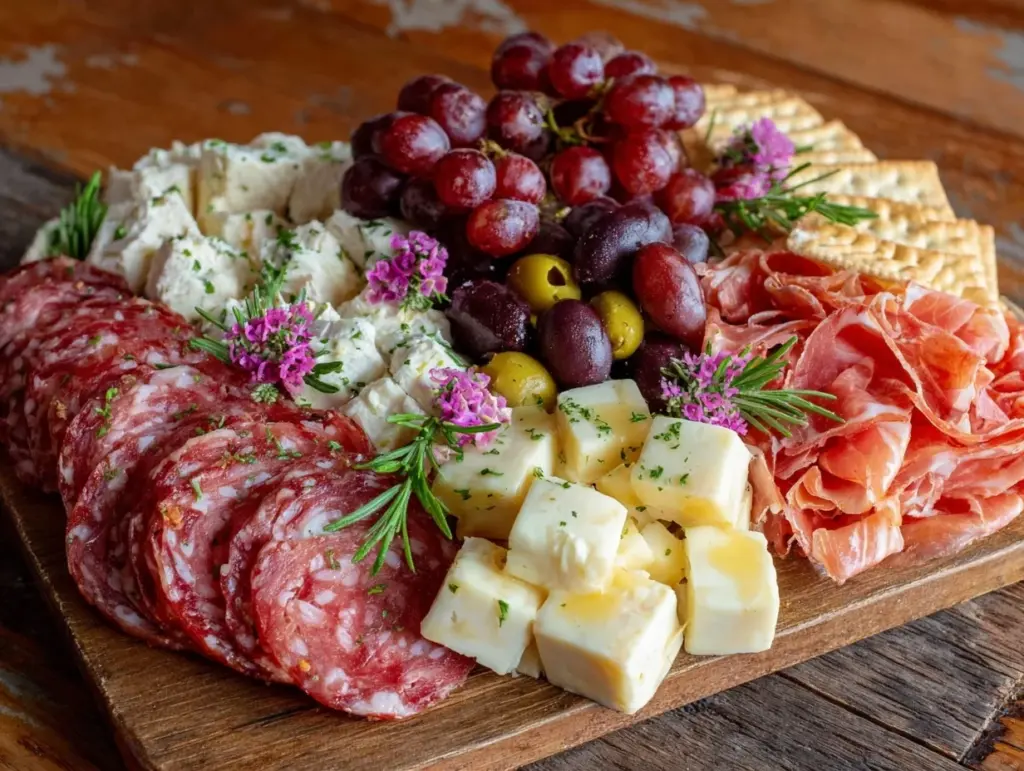
“Hey, have you ever tried making an Easter egg charcuterie board?” my friend asked me over a hurried text one Friday afternoon. Honestly, I was skeptical—how could a board filled with pastel eggs and snacks be anything more than just cute? But that weekend, with a few last-minute guests and barely any prep time, I gave it a shot. What happened next was unexpected: the colorful eggs, paired with savory bites and sweet treats, turned into the star of our little gathering. The way the flavors and textures mingled was unlike any ordinary snack spread I’d put together before.
That first board was a bit of a happy accident. I didn’t plan much, just grabbed what was on hand, and arranged it with some leftover spring herbs and a scattering of edible flowers. It looked festive and inviting, a perfect centerpiece that sparked conversation and smiles. Since then, I’ve found myself pulling together versions of this perfect Easter egg charcuterie board for festive entertaining again and again. It’s become my go-to—whether for a casual brunch or a more formal get-together.
There’s something about the simplicity and charm of it that feels just right for the season. Not to mention, it’s a creative way to let everyone nibble at their own pace while soaking in the joyful spirit of Easter. Plus, it’s surprisingly easy to customize, which makes hosting stress-free. I’ve learned a few tricks along the way that turn this from a last-minute afterthought into a crowd-pleaser that guests actually ask about. Let me share the details that made this board stick with me, and maybe it will find a spot in your springtime celebrations too.
Why You’ll Love This Recipe
Over many tries and tweaks, this Easter egg charcuterie board has proved itself a reliable festive hit. I’ve tested it with family, friends, and even coworkers, and it always earns a thumbs-up. Here’s why it’s worth making your own:
- Quick & Easy: You can put this together in under 30 minutes, which means no last-minute panic before guests arrive.
- Simple Ingredients: Most of what you need is probably already in your pantry or fridge—think cheeses, cured meats, fresh veggies, and those adorable colored eggs.
- Perfect for Easter Celebrations: This board sets the mood for any springtime gathering, from casual brunches to more festive dinners.
- Crowd-Pleaser: The mix of savory, sweet, creamy, and crunchy textures keeps everyone coming back for more.
- Unbelievably Delicious: The way the tangy cheeses balance with the saltiness of the meats, and the brightness of fresh herbs, makes it feel special without fuss.
What sets this board apart from typical charcuterie spreads is the playful yet elegant use of Easter eggs as both a visual and flavorful centerpiece. I like to hard-boil the eggs, then decorate them with natural dyes or gentle marbling techniques—this not only adds charm but also encourages everyone to dig in. Plus, I often swap in homemade dips or spreads (like a lemony whipped feta) that elevate the whole experience. It’s not just a platter; it’s a conversation starter and a fresh take on comfort food for spring.
Honestly, this recipe isn’t just good—it’s the kind of dish that invites you to linger at the table longer, savoring bites while catching up with loved ones. It’s a festive reset button that makes entertaining feel effortless and joyful.
What Ingredients You Will Need
This recipe uses simple, wholesome ingredients to deliver bold flavor and satisfying texture without the fuss. Most are pantry staples or easy-to-find fresh items, making your shopping trip a breeze.
- For the Eggs:
- Large eggs, preferably free-range or organic (for rich flavor and better dyeing)
- Natural food coloring or spices for decorating (turmeric, beet juice, red cabbage)
- Meats & Cheeses:
- Cured meats such as prosciutto, salami, and soppressata (I like Fiorucci for authentic Italian flavor)
- Cheese variety: sharp cheddar, creamy brie, tangy goat cheese, and a firm Manchego (choose small-batch or artisanal when possible)
- Fresh Produce & Extras:
- Seedless grapes or fresh berries (strawberries or blueberries work beautifully for color)
- Crunchy vegetables like baby carrots, radishes, and snap peas
- Fresh herbs: parsley, dill, and edible flowers for garnish
- Marcona almonds or spiced pecans (adds a buttery crunch)
- Olives (green or black, pitted)
- Dips & Spreads:
- Hummus or a lemon-herb whipped feta spread (whipped feta is easy to make and adds a creamy tang)
- Honey or fig jam (for a touch of sweetness that pairs well with cheese)
- Breads & Crackers:
- Assorted crackers (I prefer multigrain or rosemary crackers)
- Rustic baguette or sliced sourdough (lightly toasted)
For substitutions, you can easily swap dairy cheeses with plant-based alternatives if needed. Almonds can be switched for pumpkin seeds for a nut-free option. And in place of cured meats, smoked turkey or roasted chickpeas make great protein-packed additions.
Equipment Needed
- A large wooden or slate serving board (something with a bit of rustic charm really ties the look together)
- Mixing bowls for preparing eggs and dips
- Small bowls or ramekins for olives, nuts, and spreads
- Sharp knives for slicing meats and cheeses
- Egg dyeing supplies (optional): small cups, spoons, and paper towels
- Serving utensils like cheese knives and small tongs
If you don’t have a fancy board, no worries! A clean baking sheet lined with parchment paper works just fine—sometimes the simplest tools do the job best. I’ve also used colorful ceramic plates to add personality. Just remember to keep your knives sharp and your hands steady—presentation matters here. Personally, I like investing in a good-quality chef’s knife because it makes slicing prosciutto and cheeses so much easier and less messy.
Preparation Method
- Hard-boil and decorate the eggs: Place 12 large eggs in a pot and cover with cold water by about 1 inch (2.5 cm). Bring to a boil over medium-high heat, then reduce to a simmer and cook for 10 minutes. Transfer eggs to an ice bath immediately to cool. Once chilled, peel carefully.
- Dye the eggs naturally: Prepare natural dyes using turmeric (yellow), beet juice (pink), and red cabbage (blue). Submerge peeled eggs in the dyes for 5-10 minutes, or until desired color develops. For a marbled effect, gently roll eggs in beet juice then sprinkle with a few drops of oil before dipping in cabbage dye.
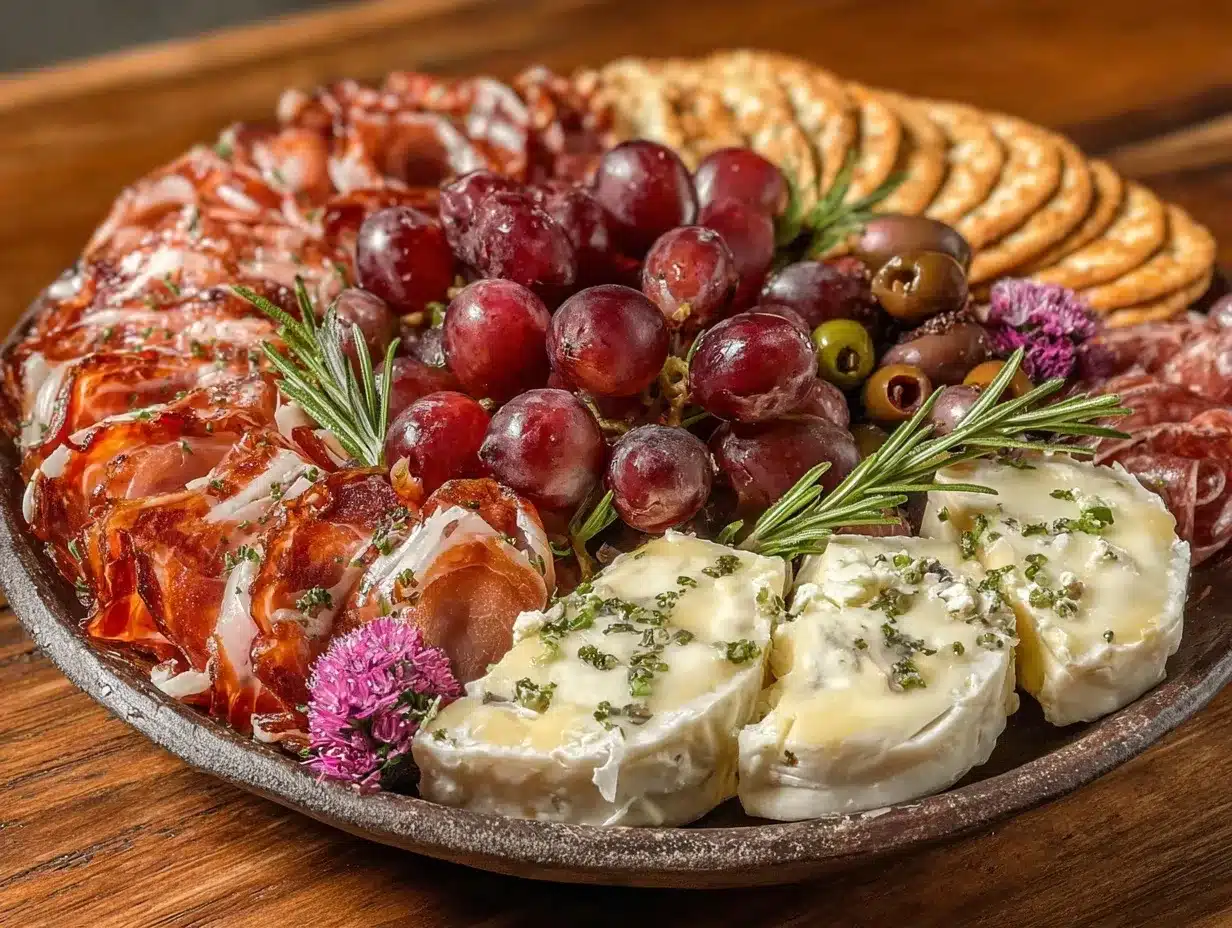
- Slice the cheeses and meats: Cut cheeses into varying shapes—thin slices, cubes, or wedges—to create visual interest. Fold or roll slices of cured meats into loose ribbons. Keep portions bite-sized for easy picking.
- Arrange the board: Start with the eggs evenly spaced across the board. Tuck cheeses and meats between them, layering for depth. Place small bowls filled with olives, nuts, and dips strategically around the edges.
- Add fresh produce: Scatter grapes, berries, and crunchy veggies around the meats and cheeses to add pops of color and freshness.
- Garnish and finish: Sprinkle fresh herbs and edible flowers over the top for a spring touch. Drizzle honey or place a small jar of fig jam nearby for guests to enjoy with their bites.
This whole process takes about 25-30 minutes once you’re in the groove. A handy tip: prepare the eggs and dye them the night before to save time on the day of your event. Also, keep the board chilled until just before serving, especially if it’s a warm spring day.
Cooking Tips & Techniques
One thing I learned early on is that the key to a great charcuterie board is balance—between flavors, textures, and colors. For the eggs, peeling carefully after the ice bath keeps them neat and smooth, which is especially important when you’re showcasing their delicate colors.
When slicing cheeses, try mixing soft and firm options to give guests variety. Also, folding meats instead of just laying them flat makes the board more inviting and easier to grab. I once layered prosciutto too thickly, and it overwhelmed the other flavors—lesson learned!
Don’t forget to include some crunch; nuts or crisp veggies add a satisfying snap. With dips, less is more—small bowls prevent mess and keep everything tidy. If you’re short on time, pre-made spreads from trusted brands like Sabra hummus or local artisan cheeses work just fine, but homemade whipped feta is worth the extra effort.
Timing is everything here. Assemble the board close to serving time to keep everything fresh, but prepping components a day ahead can save stress. Multitasking by boiling eggs while slicing meats helps speed things along.
Variations & Adaptations
This Easter egg charcuterie board is flexible enough to suit many diets and tastes. Here are some ideas to make it your own:
- Vegetarian Version: Swap out meats for marinated artichokes, roasted peppers, and grilled asparagus. Include a variety of cheeses and plant-based dips.
- Seasonal Twist: In early spring, add fresh peas and asparagus tips. Later, swap berries for stone fruits like apricots or cherries.
- Spicy Kick: Add pickled jalapeños, spicy chorizo slices, or a sprinkle of chili flakes on the whipped feta spread.
- Gluten-Free: Use gluten-free crackers or seed crackers instead of regular ones. Most cured meats and cheeses are naturally gluten-free, but always double-check labels.
- Personal Favorite: I like adding a small bowl of deviled eggs alongside the dyed eggs for an extra creamy bite—this twist always surprises guests.
Cooking method adjustments aren’t really needed here since it’s mostly assembly, but feel free to switch up your dips or add warm elements like mini quiches or baked brie if you want to expand the board.
Serving & Storage Suggestions
Serve this Easter egg charcuterie board at room temperature for the best flavor. Take it out of the refrigerator about 20 minutes before guests arrive to let the cheeses soften slightly.
Pair it with light, refreshing beverages like sparkling water with lemon or a crisp white wine to complement the creaminess and saltiness of the board. This makes a lovely starter for a spring pasta dinner or alongside a savory appetizer platter.
Leftovers can be stored in airtight containers in the fridge for up to 2 days, but I recommend enjoying the board fresh, as the eggs and veggies lose their crunch and brightness over time. To reheat bread or crackers, a quick toast in the oven works wonders.
Flavors tend to meld nicely if you prepare components in advance, especially the dips. Just avoid assembling the entire board too early to keep everything looking its best.
Nutritional Information & Benefits
This charcuterie board offers a balanced mix of protein, healthy fats, and fiber, making it satisfying without being overly heavy. Eggs provide high-quality protein and essential vitamins like B12 and D. Cheeses supply calcium and probiotics when unprocessed, while cured meats add savory depth but should be enjoyed in moderation due to sodium content.
Fresh fruits and veggies contribute antioxidants and fiber, supporting digestion and overall wellness. Using natural dyes on eggs adds a seasonal touch without artificial ingredients. For those monitoring carbs, choosing low-carb crackers or swapping them for veggies keeps the board light.
This recipe can cater to many dietary preferences, including gluten-free and vegetarian, with simple swaps. Personally, I appreciate how it strikes a balance between indulgence and nourishment—perfect for celebrating with loved ones without guilt.
Conclusion
This perfect Easter egg charcuterie board for festive entertaining is more than just a pretty platter. It’s a simple way to bring people together, spark smiles, and enjoy a relaxed yet elegant spread. Whether you’re a seasoned host or throwing together something last-minute, this board adapts easily to your style and taste.
Feel free to make it your own—swap out ingredients, add your favorite dips, or try a new color scheme with the eggs. I love how this board invites creativity while keeping things approachable, which is why it’s become a favorite in my spring hosting rotation.
If you give it a try, I’d love to hear how it turns out or what personal twists you add. Sharing ideas makes cooking even more fun and keeps the festive spirit alive!
Here’s to easy, joyful entertaining that leaves your table—and your guests—feeling full and happy.
FAQs
Can I prepare the Easter eggs ahead of time?
Absolutely! Hard-boiled and dyed eggs can be made up to 3 days in advance. Store them in the refrigerator, unpeeled, and peel just before assembling the board to keep them fresh.
What’s the best way to dye eggs naturally?
Use natural ingredients like turmeric for yellow, beet juice for pink, and red cabbage for blue. Simply simmer these with water and vinegar, then soak peeled eggs until the desired color shows.
How do I keep cheeses and meats fresh on the board?
Keep the board chilled until just before serving. If it’s a warm day, assemble the board close to serving time to avoid spoiling, or keep ingredients refrigerated separately and arrange last minute.
What can I use if I don’t eat cured meats?
Try smoked turkey breast, roasted chickpeas, or marinated tofu as protein alternatives. These options still add flavor and texture without the saltiness of cured meats.
How do I make this board gluten-free?
Simply choose gluten-free crackers or replace crackers with crunchy veggies like celery sticks and cucumber slices. Most cheeses and meats are naturally gluten-free, but always check labels to be sure.
Pin This Recipe!
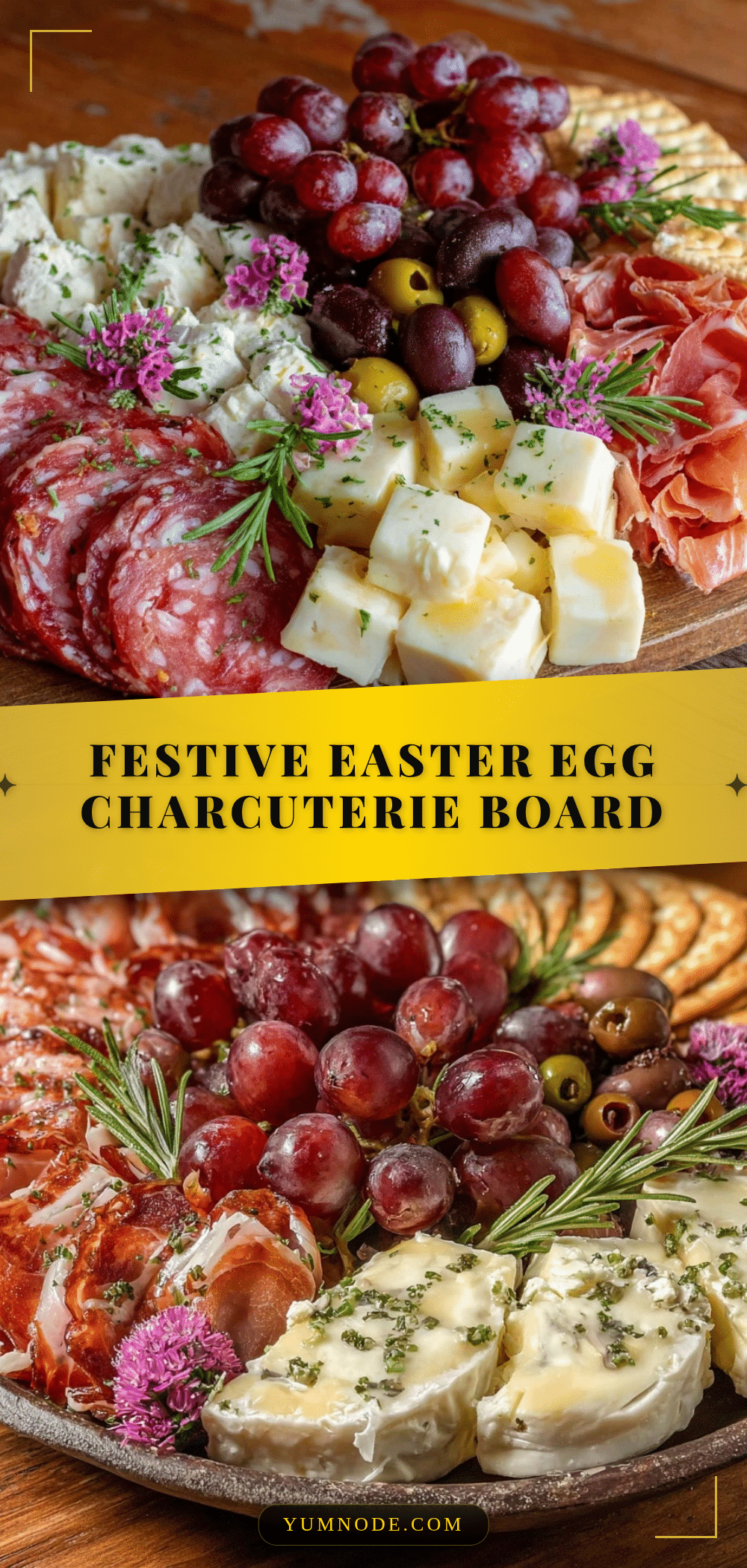
Perfect Easter Egg Charcuterie Board Ideas for Easy Festive Entertaining

A colorful and festive Easter egg charcuterie board combining hard-boiled dyed eggs with a variety of cheeses, cured meats, fresh produce, nuts, and dips. Easy to assemble and perfect for spring gatherings.
- Prep Time: 15 minutes
- Cook Time: 10 minutes
- Total Time: 30 minutes
- Yield: 8 servings 1x
- Category: Appetizer
- Cuisine: American
Ingredients
- 12 large eggs, preferably free-range or organic
- Natural food coloring or spices for decorating (turmeric, beet juice, red cabbage)
- Cured meats such as prosciutto, salami, and soppressata
- Cheese variety: sharp cheddar, creamy brie, tangy goat cheese, firm Manchego
- Seedless grapes or fresh berries (strawberries or blueberries)
- Crunchy vegetables like baby carrots, radishes, snap peas
- Fresh herbs: parsley, dill, edible flowers for garnish
- Marcona almonds or spiced pecans
- Olives (green or black, pitted)
- Hummus or lemon-herb whipped feta spread
- Honey or fig jam
- Assorted crackers (multigrain or rosemary preferred)
- Rustic baguette or sliced sourdough, lightly toasted
Instructions
- Place 12 large eggs in a pot and cover with cold water by about 1 inch. Bring to a boil over medium-high heat, then reduce to a simmer and cook for 10 minutes.
- Transfer eggs to an ice bath immediately to cool. Once chilled, peel carefully.
- Prepare natural dyes using turmeric (yellow), beet juice (pink), and red cabbage (blue). Submerge peeled eggs in the dyes for 5-10 minutes or until desired color develops.
- For a marbled effect, gently roll eggs in beet juice then sprinkle with a few drops of oil before dipping in cabbage dye.
- Slice cheeses into varying shapes—thin slices, cubes, or wedges. Fold or roll slices of cured meats into loose ribbons.
- Arrange the board by spacing eggs evenly, tucking cheeses and meats between them, layering for depth.
- Place small bowls filled with olives, nuts, and dips strategically around the edges.
- Scatter grapes, berries, and crunchy veggies around the meats and cheeses.
- Sprinkle fresh herbs and edible flowers over the top. Drizzle honey or place a small jar of fig jam nearby.
Notes
Prepare and dye eggs up to 3 days in advance, store unpeeled in refrigerator. Peel eggs just before assembling the board to keep fresh. Keep board chilled until serving. Assemble close to serving time for best freshness. Use gluten-free crackers or veggies for gluten-free version. Swap meats for vegetarian options like marinated artichokes or roasted peppers.
Nutrition
- Serving Size: Approximately 1/8th
- Calories: 320
- Sugar: 5
- Sodium: 550
- Fat: 22
- Saturated Fat: 8
- Carbohydrates: 12
- Fiber: 3
- Protein: 15
Keywords: Easter, charcuterie board, festive, easy entertaining, spring, eggs, cured meats, cheese, natural dyes