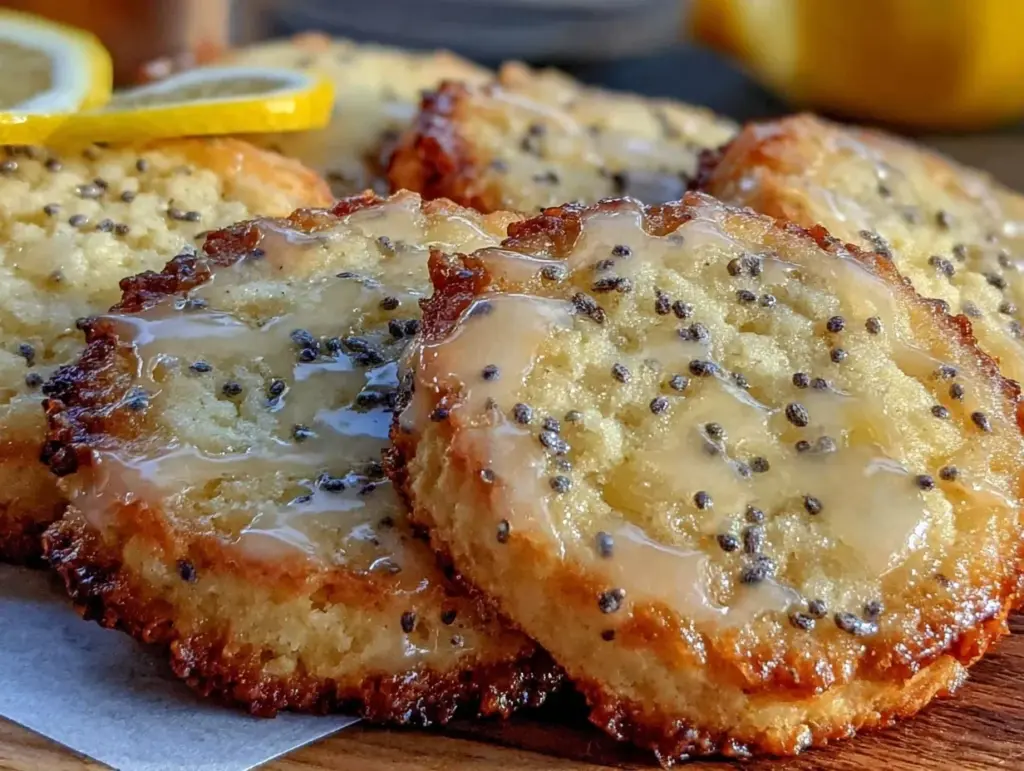
“Are you sure these are just cookies?” my friend asked, biting into one of the Flavorful Lemon Poppy Seed Glazed Shortbread Rounds I’d just pulled from the oven. Honestly, I didn’t blame her. The first time I tried this recipe, I was skeptical myself. It started one lazy Sunday afternoon when I grabbed half the ingredients by accident—missing the usual flour I use for cookies but having plenty of butter, sugar, lemon, and poppy seeds around. I wasn’t expecting much, but the delicate, buttery rounds with their bright lemon glaze turned out to be a small revelation.
The texture is that perfect shortbread crumb—just tender enough to melt on your tongue but with a satisfying snap. And the glaze? That zingy lemon poppy seed topping adds a fresh twist that keeps you reaching for just one more. It’s funny how something so simple can feel like a little celebration, especially on a quiet afternoon with a cup of tea. Somehow, these lemon poppy seed shortbread rounds became a comforting little ritual whenever life felt a bit too busy or gray.
I realized this recipe stuck with me because it’s reliable but not boring. It’s the kind of treat I can whip up even when I’m half distracted, yet it impresses when shared. No fancy techniques, just good ingredients and a bit of patience. And if you love that sweet-and-tart combo with a hint of crunch, this recipe might just become your new go-to, too.
Why You’ll Love This Recipe
After making these Flavorful Lemon Poppy Seed Glazed Shortbread Rounds more times than I can count, I’ve found plenty of reasons they’re a keeper. Here’s what you’ll appreciate:
- Quick & Easy: The dough comes together in under 15 minutes, and baking takes just about 20. Perfect for last-minute cravings or a simple weekend treat.
- Simple Ingredients: No obscure pantry items here—just staples like butter, sugar, lemon, and poppy seeds. Chances are, you already have them on hand.
- Perfect for Any Occasion: Whether it’s a cozy afternoon snack, a fresh addition to brunch, or a sweet finish to dinner, these rounds fit right in.
- Crowd-Pleaser: They balance buttery richness with a lively citrus glaze, making them a hit with kids and adults alike.
- Unbelievably Delicious: The lemon glaze isn’t just a drizzle—it’s got a perfect zing that pairs beautifully with the crunchy poppy seeds and melt-in-your-mouth shortbread.
What sets this recipe apart is the glaze technique. Instead of a thick frosting, I brush on a thin, tangy lemon glaze that seeps into the cookie edges, giving each bite a subtle brightness without overwhelming the buttery base. Plus, the poppy seeds add a delightful crunch and a slightly nutty flavor that you just don’t get in your average shortbread.
This isn’t some fancy pastry you’d find in a bakery, but it’s honestly more satisfying because it’s homemade with just the right balance of textures and flavors. You know that feeling when you close your eyes to savor a bite? Yeah, it’s that kind of cookie.
What Ingredients You Will Need
This recipe uses simple, wholesome ingredients to deliver bold flavor and satisfying texture without the fuss. Most are pantry staples, with a few fresh touches that make all the difference.
- Unsalted butter, softened (the star of any good shortbread, adding richness and tenderness)
- Granulated sugar (for sweetness and a slight crunch in the cookie)
- All-purpose flour (the base that gives structure; use a trusted brand like King Arthur for best results)
- Finely grated lemon zest (fresh lemons work best—zest only the bright yellow part for that fresh citrus punch)
- Poppy seeds (adds a subtle nutty crunch and visual appeal)
- Vanilla extract (a touch of warmth to balance the lemon’s brightness)
- Salt (just a pinch to enhance flavors)
For the glaze:
- Powdered sugar (for smooth sweetness that melts into the cookie)
- Fresh lemon juice (the key to the tangy glaze that’s not too sweet)
- Milk or water (to thin the glaze to the perfect consistency)
If you want to experiment, you can swap regular flour with almond flour for a gluten-free twist, though the texture will be more delicate. Also, using organic lemons can make a noticeable difference in the zest and juice brightness. Personally, I like using a quality vanilla extract like Nielsen-Massey—it adds a richer aroma that complements the lemon beautifully.
Equipment Needed
- Mixing bowls: A couple of medium bowls for creaming the butter and mixing dry ingredients.
- Electric mixer or hand whisk: For creaming butter and sugar until light and fluffy. A stand mixer makes it easier but a sturdy hand whisk works fine.
- Measuring cups and spoons: Accurate measurements really matter in baking.
- Baking sheet: A rimmed cookie sheet for even baking.
- Parchment paper or silicone baking mat: Prevents sticking and helps even browning.
- Zester or microplane: For finely grating lemon zest.
- Sifter or fine mesh strainer: To sift powdered sugar for the glaze, ensuring it’s lump-free and smooth.
- Small bowl and spoon or small whisk: For mixing the glaze.
- Cooling rack: Allows cookies to cool evenly without sogginess.
If you don’t have a mixer, don’t sweat it—just use a wooden spoon and some elbow grease. Also, a simple citrus juicer makes extracting lemon juice easier but squeezing by hand works just as well if you’re patient.
Preparation Method

- Preheat your oven to 325°F (163°C). Line a baking sheet with parchment paper or a silicone mat to prevent sticking. This low temperature helps the shortbread bake evenly without browning too quickly.
- Cream the butter and sugar: In a mixing bowl, beat 1 cup (227 g) of softened unsalted butter with ½ cup (100 g) of granulated sugar using an electric mixer or whisk by hand. This should take about 3-4 minutes until the mixture is light and fluffy. You’ll notice it becoming pale and airy, which is essential for tender shortbread.
- Add flavorings: Mix in 1 teaspoon of pure vanilla extract and the finely grated zest of one lemon. Stir until evenly combined, releasing that fresh citrus aroma.
- Combine dry ingredients: In a separate bowl, whisk together 2 cups (240 g) all-purpose flour, 2 tablespoons poppy seeds, and ¼ teaspoon salt. This ensures even distribution of the poppy seeds and salt throughout the dough.
- Mix dry ingredients into wet: Gradually add the flour mixture to the butter mixture, folding gently with a spatula or wooden spoon. The dough will come together into a soft, slightly crumbly ball. Be careful not to overmix; stop as soon as the flour disappears.
- Shape the dough: Roll the dough into a log about 2 inches (5 cm) in diameter. Wrap it tightly in plastic wrap and refrigerate for at least 30 minutes. Chilling firms the dough, making it easier to slice and helps maintain the cookie’s shape during baking.
- Slice and arrange: Once chilled, unwrap the dough and slice into ¼-inch (6 mm) thick rounds. Place the rounds at least 1 inch (2.5 cm) apart on the prepared baking sheet to allow for slight spreading.
- Bake: Bake in the preheated oven for 18-20 minutes, or until the edges are just starting to turn a light golden color. The centers will still look pale—that’s perfect.
- Cool and prepare glaze: Let the cookies cool on the baking sheet for 5 minutes, then transfer to a wire rack. Meanwhile, whisk together 1 cup (120 g) powdered sugar, 1 ½ tablespoons fresh lemon juice, and 1 teaspoon milk or water in a small bowl until smooth. Adjust liquid as needed for a glaze that’s pourable but not runny.
- Glaze the cookies: Using a spoon or small brush, spread the lemon glaze over the tops of the cooled cookies. The glaze will set in about 30 minutes, forming a shiny, tangy coating that’s irresistible.
If you notice the dough getting too soft while slicing, pop it back in the fridge for a few minutes. Also, avoid overbaking—shortbread should be pale and tender, not crisp or browned. The scent of warm lemon and butter will fill your kitchen right as they finish baking, which is always a good sign.
Cooking Tips & Techniques
One thing I’ve learned making these lemon poppy seed shortbread rounds is that patience really pays off. Chilling the dough is non-negotiable. It helps the cookies hold their shape and prevents them from spreading too thin in the oven. I once skipped this step, and the rounds turned into sad, flat blips—no one was impressed.
When mixing, be gentle with the flour. Overworking the dough develops gluten, which can make shortbread tough instead of tender. Folding until just combined means a crumbly, melt-in-your-mouth texture.
Glazing while the cookies are completely cool is key. If you glaze too early, the warmth melts the sugar, resulting in a sticky mess instead of a shiny, set glaze. I usually wait 15-20 minutes after cooling to be safe.
When zesting lemons, avoid the white pith underneath—it’s bitter and can spoil the delicate balance of flavors.
I also suggest using fresh lemon juice for the glaze instead of bottled. The difference in brightness is noticeable, and it pairs beautifully with the buttery richness of the shortbread.
Finally, don’t hesitate to line your baking sheet with parchment or a silicone mat. It makes cleanup easier and helps cookies bake evenly without sticking.
Variations & Adaptations
These shortbread rounds are pretty adaptable depending on what you’re craving or what you have in the kitchen:
- Berry-Lemon Twist: Add a teaspoon of finely chopped fresh thyme and swap lemon juice in the glaze for a mix of lemon and a little berry juice (like raspberry or blueberry) for a colorful, seasonal twist.
- Gluten-Free Option: Replace all-purpose flour with a gluten-free blend or almond flour. The texture will be a bit more delicate, so chill the dough longer before slicing.
- Herbal Infusion: Stir in finely chopped rosemary or lavender with the zest to give the shortbread a floral note that’s unexpected but delightful.
- Vegan Adaptation: Use vegan butter and substitute milk in the glaze with any plant-based milk. The lemon and poppy seeds still shine through nicely.
- Double Glaze: For extra zing, drizzle a second layer of lemon glaze after the first has set, or lightly dust with powdered sugar for a more subtle finish.
I once tried adding a hint of ground cardamom to the dough for a warm spiced undertone, which paired surprisingly well with the lemon glaze—definitely worth experimenting if you like a little twist.
Serving & Storage Suggestions
These Flavorful Lemon Poppy Seed Glazed Shortbread Rounds are best served at room temperature so the buttery crumb and glaze can shine. They make a lovely afternoon snack with a cup of tea or coffee, or a light dessert after a meal.
To present, arrange them on a pretty plate or tiered stand alongside some fresh berries or a sprig of mint for a pop of color. They also pair wonderfully with your favorite citrusy desserts—if you enjoy tangy sweets, you might appreciate the creamy key lime pie bars for a citrus-themed spread.
Store the cookies in an airtight container at room temperature for up to 5 days. If you want them crispier, separate layers with parchment paper. For longer storage, freeze the unglazed dough log wrapped well, or freeze baked cookies (glaze them after thawing). When reheating, a brief 5-10 second zap in the microwave softens the shortbread without melting the glaze.
Flavors tend to deepen after a day or two, so if you can wait, they taste even better the next day—patience is a virtue here!
Nutritional Information & Benefits
Each shortbread round delivers roughly 120-140 calories, depending on size, with a balance of fat from the butter and a touch of sugar. While it’s definitely a treat, the addition of lemon zest and juice adds a small boost of vitamin C and antioxidants.
Poppy seeds contribute a slight crunch plus small amounts of fiber, calcium, and iron, which is a nice bonus in such a simple cookie. Using unsalted butter and controlling sugar in the glaze helps keep the recipe balanced without going overboard on sweetness or salt.
For those mindful of dietary needs, the recipe can be adjusted to gluten-free or vegan without losing much of its charm. It’s a dessert that feels indulgent but is straightforward enough to fit into a balanced lifestyle when enjoyed in moderation.
Conclusion
These Flavorful Lemon Poppy Seed Glazed Shortbread Rounds are proof that simple ingredients, a little care, and a touch of creativity can lead to something memorable. I love how they bring a fresh twist to classic shortbread with a lively lemon glaze and the subtle crunch of poppy seeds.
Whether you’re a seasoned baker or someone who just wants a reliable, tasty treat, this recipe is worth a spot in your rotation. Feel free to tweak the glaze or add your own flair—baking is all about making recipes your own.
I’d love to hear how your batches turn out or any creative spins you try. Sharing these little moments of kitchen success is what makes cooking so rewarding. So go ahead, bake a batch and enjoy that perfect mix of buttery, citrusy goodness!
Frequently Asked Questions
- Can I make the dough ahead of time?
Yes! You can prepare the dough, wrap it tightly, and refrigerate for up to 2 days before slicing and baking. - How do I store these cookies to keep them fresh?
Store in an airtight container at room temperature for up to 5 days. Separate layers with parchment paper to prevent sticking. - Can I skip the glaze?
You can, but the lemon glaze adds a bright finishing touch that balances the buttery shortbread beautifully. - What if I don’t have poppy seeds?
You can omit them or substitute with finely chopped nuts like almonds or pecans for a different crunch. - Is this recipe suitable for gluten-free diets?
Yes, by swapping all-purpose flour with a gluten-free blend or almond flour, though texture will be slightly different.
Pin This Recipe!

Flavorful Lemon Poppy Seed Glazed Shortbread Rounds

Delicate, buttery shortbread rounds with a bright lemon glaze and crunchy poppy seeds, perfect for a simple yet impressive treat.
- Prep Time: 15 minutes
- Cook Time: 20 minutes
- Total Time: 35 minutes
- Yield: 24 cookies 1x
- Category: Dessert
- Cuisine: American
Ingredients
- 1 cup (227 g) unsalted butter, softened
- ½ cup (100 g) granulated sugar
- 2 cups (240 g) all-purpose flour
- 1 teaspoon pure vanilla extract
- Finely grated zest of 1 lemon
- 2 tablespoons poppy seeds
- ¼ teaspoon salt
- For the glaze:
- 1 cup (120 g) powdered sugar
- 1 ½ tablespoons fresh lemon juice
- 1 teaspoon milk or water
Instructions
- Preheat your oven to 325°F (163°C). Line a baking sheet with parchment paper or a silicone mat.
- Cream the butter and sugar in a mixing bowl using an electric mixer or whisk by hand until light and fluffy, about 3-4 minutes.
- Mix in the vanilla extract and finely grated lemon zest until evenly combined.
- In a separate bowl, whisk together the flour, poppy seeds, and salt.
- Gradually add the dry ingredients to the butter mixture, folding gently until just combined into a soft, slightly crumbly dough.
- Roll the dough into a 2-inch (5 cm) diameter log, wrap tightly in plastic wrap, and refrigerate for at least 30 minutes.
- Slice the chilled dough into ¼-inch (6 mm) thick rounds and place them 1 inch (2.5 cm) apart on the prepared baking sheet.
- Bake for 18-20 minutes until edges are lightly golden but centers remain pale.
- Cool the cookies on the baking sheet for 5 minutes, then transfer to a wire rack.
- Whisk together powdered sugar, lemon juice, and milk or water until smooth for the glaze.
- Spread the glaze over the cooled cookies with a spoon or brush and let set for about 30 minutes.
Notes
Chill the dough for at least 30 minutes to prevent spreading and maintain shape. Avoid overmixing the dough to keep the shortbread tender. Glaze only when cookies are completely cool to prevent melting. Use fresh lemon juice and zest for best flavor. Store cookies in an airtight container at room temperature for up to 5 days.
Nutrition
- Serving Size: 1 cookie
- Calories: 130
- Sugar: 8
- Sodium: 50
- Fat: 7
- Saturated Fat: 4.5
- Carbohydrates: 17
- Fiber: 0.5
- Protein: 1.5
Keywords: lemon shortbread, poppy seed cookies, lemon glaze, easy cookies, homemade shortbread, citrus cookies, buttery cookies