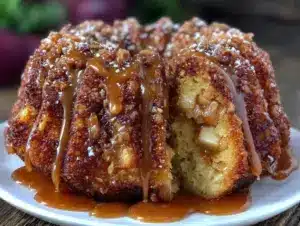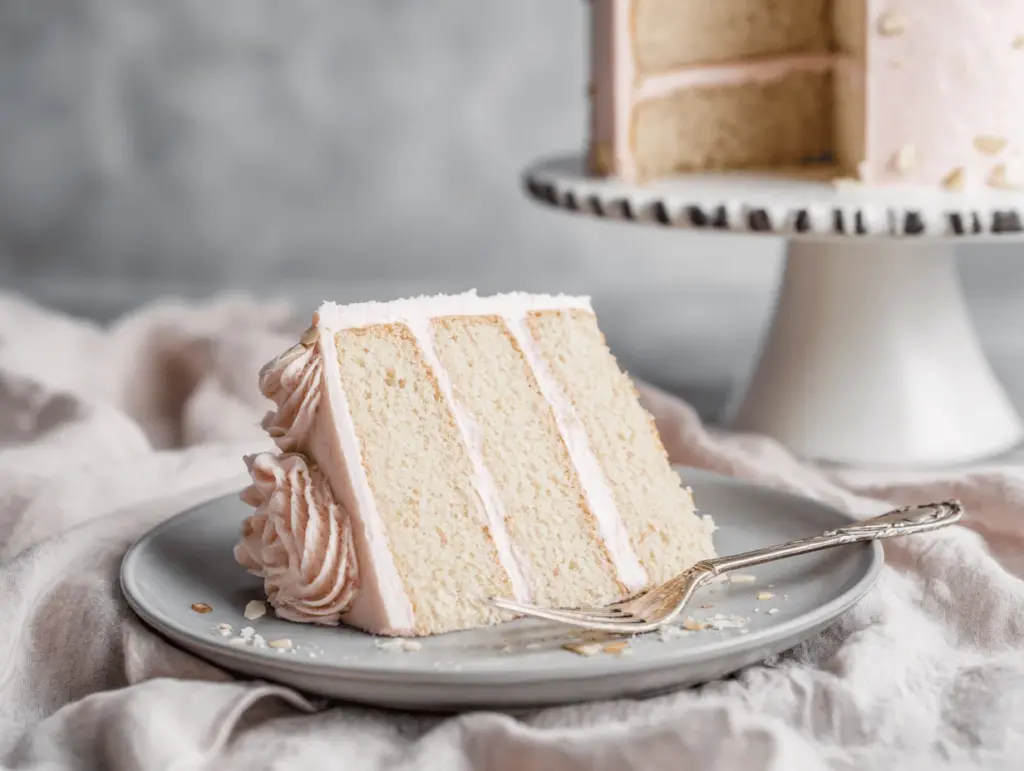
Sweet, nutty aromas wafting through the kitchen, a golden crust that cracks just so, and a light, fluffy crumb—yep, that’s my almond cake recipe in a nutshell. The first time I made this almond cake, I was chasing after that perfect texture: something you could slice into neat dessert bars, but still moist enough to make you sigh with every bite. The smell alone is enough to get the neighbors knocking (true story—my next-door neighbor once showed up, lured in by the scent!).
I’ve baked countless cakes over the years, but this almond cake recipe stands out for its simplicity and the way it never fails to deliver. It was inspired by a family friend who swore by ground almonds for extra moisture, and after one taste, I was hooked. Let’s face it: everyone needs a go-to cake that feels fancy but is secretly easy—one you can whip up for birthdays, potlucks, or “just because.”
What really gets me about this almond cake is how adaptable it is. Whether you’re making it for a weeknight treat or dressing it up for a party, it always hits the mark. Plus, the ingredients are straightforward—no need for a specialty store run. If you love almond desserts or just crave a foolproof cake base for dessert bars, you’re in the right place. After testing and tweaking it a dozen times (honestly, maybe more), I can promise you’ll want to bookmark this almond cake recipe. Ready to make a new favorite?
Why You’ll Love This Almond Cake Recipe
- Quick & Easy: This almond cake recipe comes together in about 15 minutes of prep, so you’re not stuck in the kitchen for hours.
- Simple Ingredients: Everything you need is probably already in your pantry—almond flour, eggs, sugar, and butter do the heavy lifting here.
- Perfect for Dessert Bars: The moist, fluffy layers slice beautifully, making this a top choice for dessert bars at potlucks or bake sales.
- Crowd-Pleaser: Trust me, I’ve served this to picky eaters, almond skeptics, and cake connoisseurs—it always gets a round of applause.
- Unbelievably Delicious: The almond flavor is rich but never overpowering, and the soft crumb practically melts in your mouth. It’s comfort food with a slightly nutty twist.
What really sets this almond cake apart is the way the almond flour and a hint of vanilla combine for a perfectly balanced flavor. I blend the almonds super fine for an ultra-tender bite (if you’ve ever had a gritty almond cake, you know why this matters). The layers bake up thick, but still fluffy—ideal for cutting into bars that don’t fall apart. I’ve tried a bunch of almond cakes, but this one is the only recipe I keep coming back to, whether I’m making a casual treat or something a bit fancier for a celebration.
Frankly, it’s the cake you daydream about—sweet, a little toasty from the almonds, and always a hit. Make it once, and you’ll find yourself baking it for birthdays, brunches, or just because Tuesday needed a little something extra. There’s nothing fussy about it, but it feels special every single time.
What Ingredients You Will Need
This recipe uses simple, wholesome ingredients to deliver bold almond flavor and that signature moist, fluffy texture. You probably have most of these on hand already, and a few swaps make it super flexible if you’re missing something.
- For the Cake Batter:
- Almond flour (finely ground, blanched preferred): This is the secret to the cake’s tender crumb. I love using Bob’s Red Mill—it’s super fine, so the cake stays light.
- All-purpose flour: Just enough to help with structure—swap with a 1:1 gluten-free blend if needed.
- Granulated sugar: Adds sweetness without overpowering the almond flavor. You can use coconut sugar for a deeper flavor.
- Unsalted butter (softened): Makes the cake rich and moist (melted coconut oil works as a dairy-free substitute).
- Large eggs (room temperature): Eggs bind everything and give the cake its fluffy lift. If you’re out, flax eggs can work in a pinch (for a denser, chewier bar).
- Whole milk (or almond milk): Keeps the cake moist. I often swap in almond milk for an extra nutty note.
- Vanilla extract: Just a splash rounds out the almond flavor. Almond extract is lovely here, too—use a drop or two for extra punch.
- Baking powder: This helps the cake rise and get fluffy.
- Salt: Balances the sweetness (don’t skip it!).
- For Optional Topping:
- Sliced almonds: Sprinkle these on top for a lovely crunch and a little extra wow factor.
- Powdered sugar: A dusting before serving makes the bars look bakery-worthy.
Swaps & Substitutions: Almond flour is key for flavor, but if you’re out, try hazelnut meal for a fun twist. For a gluten-free version, use only almond flour and a touch of cornstarch (the cake will be a bit softer but still delicious). For extra moisture, a spoonful of Greek yogurt or sour cream can be added to the batter. I’ve even tossed in a handful of raspberries or blueberries in the summer months—so good!
Honestly, this almond cake recipe is as flexible as it gets. Just keep the basics in mind, and you’ll have a dreamy cake every time.
Equipment Needed
- Mixing Bowls: You’ll need a couple—one for dry ingredients, one for wet. I use glass bowls because they’re easy to clean and don’t stain.
- Electric Mixer (hand or stand): This makes creaming the butter and sugar a breeze. You can use a sturdy whisk and some elbow grease if you’re feeling old-school.
- 9×13-inch Baking Pan (23×33 cm): For classic dessert bars. If you only have an 8×8-inch pan, the cake will be thicker and need a few extra minutes in the oven.
- Measuring Cups & Spoons: Precision matters here, so level off your flour for best results.
- Rubber Spatula: For scraping every last bit of batter out—waste not, want not!
- Wire Rack: Cooling the cake out of the pan keeps the bottom from getting soggy.
- Parchment Paper: Makes removing the bars from the pan so much easier (trust me, I’ve learned this the hard way).
If you’re on a budget, skip the stand mixer and just use a sturdy whisk or spoon—it’ll just take a bit more muscle. I’ve even made this cake in a basic glass roasting dish when my usual pan was MIA. Just remember to grease well or use parchment. To keep your tools in good shape, always hand wash your electric mixer beaters and avoid metal utensils on nonstick pans—scratches ruin them fast.
Preparation Method
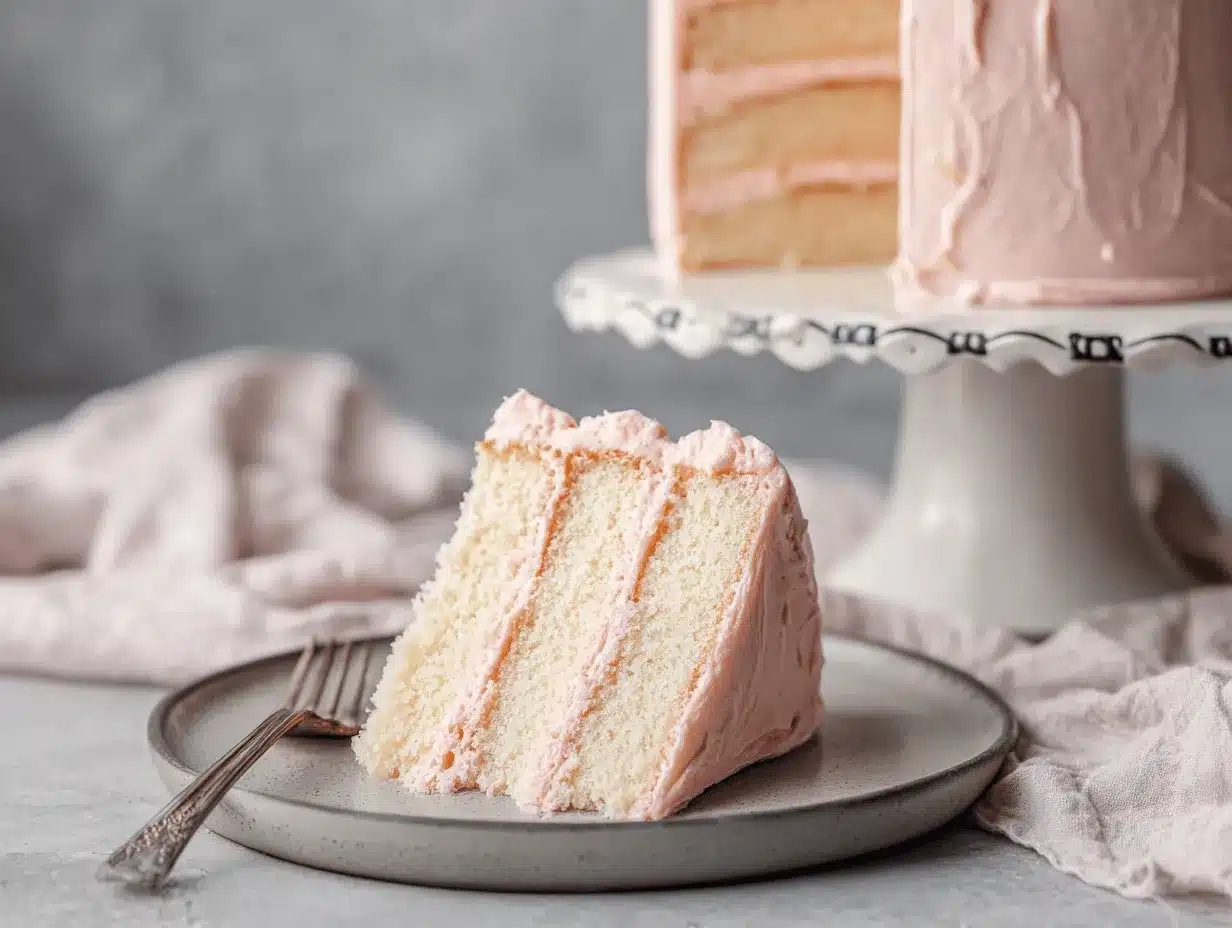
- Preheat & Prepare the Pan: Preheat your oven to 350°F (175°C). Line a 9×13-inch (23×33 cm) baking pan with parchment paper, leaving a little overhang so you can lift the cake out later. Lightly grease the paper and sides. This helps prevent sticking and gives you neat dessert bars.
- Mix the Dry Ingredients: In a medium bowl, whisk together 2 cups (200 g) almond flour, 1 cup (120 g) all-purpose flour, 2 teaspoons baking powder, and ½ teaspoon salt. Whisking ensures there are no lumps and the baking powder is evenly distributed.
- Cream the Butter & Sugar: In a large bowl, use an electric mixer to beat 1 cup (225 g) unsalted butter (softened) with 1¼ cups (250 g) granulated sugar until pale and fluffy—about 2-3 minutes. This step makes the cake light! If your butter isn’t soft, microwave it in 10-second bursts, but don’t melt it.
- Add Eggs: Beat in 4 large eggs (room temperature), one at a time, mixing well after each. If your eggs are cold, place them in warm water for 5 minutes. The mixture might look a little curdled—that’s normal (just keep going).
- Add Flavor: Mix in 1 teaspoon vanilla extract and ½ teaspoon almond extract if using. This is when the batter starts smelling amazing!
- Combine Wet & Dry Mixtures: Add the dry ingredients to the wet mixture in two additions, mixing on low just until combined. Don’t overmix or the cake will be tough—stop when you no longer see dry flour.
- Add Milk: Pour in ¾ cup (180 ml) whole or almond milk, mixing gently until smooth. The batter should be thick but spreadable. If it seems too stiff, add an extra tablespoon of milk.
- Pour & Smooth: Scrape the batter into your prepared pan. Use a spatula to spread it evenly, making sure to push into the corners. Tap the pan lightly on the counter to pop any air bubbles.
- Add Toppings: Sprinkle with ½ cup (50 g) sliced almonds if using. I love the crunch they add. For an extra touch, sprinkle a little coarse sugar on top.
- Bake: Bake for 28-32 minutes, or until the top is golden and a toothpick inserted in the center comes out clean or with just a few moist crumbs. Rotate the pan halfway through for even baking. Your kitchen will smell incredible!
- Cool: Place the pan on a wire rack and let the cake cool in the pan for 15 minutes. Then, use the parchment overhang to lift the cake out and cool completely on the rack. Don’t rush this step—cutting warm cake leads to messy bars.
- Slice & Serve: Once fully cooled, dust with powdered sugar and cut into squares or bars. If you want cleaner edges, chill the cake for 30 minutes before slicing.
Troubleshooting: If your cake sinks in the middle, it might be underbaked—pop it back in for a few more minutes. Dry cake? Check your oven temp (an oven thermometer is your friend). If your bars stick to the pan, make sure you used enough parchment and greased well. Trust me, I’ve had my share of sticky situations—parchment is a lifesaver!
My best tip: Use room temperature ingredients. It makes all the difference for a silky batter and even bake. And don’t worry if the batter seems thick—that’s what gives you those irresistible, moist layers.
Cooking Tips & Techniques
Here’s what I’ve learned through a lot of almond cake baking (and a few mishaps along the way):
- Use finely ground almond flour: Coarse almond meal can make the cake grainy. If you only have whole almonds, pulse them in a food processor with a bit of sugar to prevent clumping.
- Don’t overmix: Once the dry ingredients go in, gently fold until just combined. Overmixing will make your cake tough—been there, regretted that!
- Check oven temperature: Ovens can be sneaky. If your cake is browning too quickly, tent loosely with foil. If it’s not setting in the center, your oven might run cool. An oven thermometer helps so much.
- Rotate the pan halfway: This helps ensure even baking and prevents one side from getting too dark. I’ve had cakes lopsided from hot spots until I started doing this.
- Room temperature ingredients: Cold butter or eggs can make the batter curdle or bake unevenly. If you forget, a quick warm water bath for eggs and a gentle microwave for butter works wonders.
- Line your pan: Parchment paper is your best friend for lifting out perfect bars. I once skipped it and regretted every sticky, crumbled piece.
- For extra-moist cake: Add a spoonful of Greek yogurt. It makes the crumb even softer, especially if you’re using gluten-free flour.
- Let it cool completely: Cutting too soon leads to messy bars. If I’m in a hurry, I chill the pan in the fridge for 20-30 minutes first.
Honestly, baking is a little trial and error. I’ve had cakes come out dry, flat, or stuck, but these tips have helped me nail the almond cake recipe every time. Trust your senses—look for golden edges, a set center, and that sweet almond aroma. If it smells done, it probably is!
Variations & Adaptations
One of my favorite things about this almond cake recipe is how easy it is to make it your own. Here are some fun ways to switch things up:
- Gluten-Free: Swap the all-purpose flour for a gluten-free 1:1 blend or use just almond flour with 2 tablespoons cornstarch. The bars will be softer but still sliceable.
- Fruit-Filled: Scatter fresh raspberries, blueberries, or sliced pears on top of the batter before baking. In summer, I use peaches—so good!
- Chocolate Swirl: Gently fold ½ cup (85 g) mini chocolate chips into the batter or swirl in ¼ cup (60 g) melted dark chocolate for a marbled effect.
- Dairy-Free: Use melted coconut oil instead of butter and almond milk in place of dairy milk. The cake will be just as moist and flavorful.
- Lemon-Almond: Add 1 tablespoon fresh lemon zest to the batter for a fresh, bright twist, or a teaspoon of orange zest for a more subtle citrus note.
- Nut-Free: If you have a nut allergy, use oat flour instead of almond flour and sunflower seed butter for richness. It’s a little different, but still tasty.
Personally, I love tossing in a handful of toasted coconut flakes for a tropical spin. You can also bake the batter in muffin tins for individual almond cake bars—just reduce the baking time to about 18-20 minutes. Whatever version you try, just keep an eye on the bake and enjoy experimenting. There’s really no wrong way to do it!
Serving & Storage Suggestions
This almond cake recipe is at its best served slightly warm or at room temperature. I like to dust the top with powdered sugar and slice into neat bars for a pretty presentation. If you’re feeling extra, drizzle a little melted chocolate or serve with fresh berries and a dollop of whipped cream—talk about dessert perfection!
For brunch, pair with strong coffee or a light herbal tea. At parties, these bars look gorgeous on a platter with fruit or chocolate-dipped strawberries on the side. I’ve even served them as a midnight snack, straight from the fridge (no shame).
Storage Tips: Keep leftover almond cake bars in an airtight container at room temperature for up to 3 days—just make sure they’re fully cooled before storing. For longer storage, pop the bars in the fridge for up to a week (they actually get even moister!). To freeze, wrap individual bars in plastic and store in a freezer bag for up to 2 months. Thaw at room temperature or warm gently in the microwave for 10-15 seconds. The flavors develop and deepen over time, so don’t be surprised if they taste even better the next day!
Nutritional Information & Benefits
Each almond cake bar (based on 18 bars) contains roughly:
- Calories: 210
- Protein: 4g
- Fat: 13g
- Carbohydrates: 20g
- Fiber: 2g
- Sugar: 12g
Almond flour adds a boost of healthy fats, vitamin E, and a little extra protein compared to regular cake. Using almond milk or coconut oil can make it friendly for dairy-free folks. If you’re gluten-sensitive, just use the almond flour variation. Be aware, though—this recipe contains nuts, eggs, and dairy (unless you sub). I love that it’s a little more filling than regular cake, so you’re less likely to overdo it (well, in theory!).
Conclusion
If you’re on the hunt for a cake that’s moist, fluffy, and packed with irresistible almond flavor, this almond cake recipe is calling your name. It’s the kind of treat you’ll want to make on repeat, whether you’re slicing it into bars for gatherings or sneaking a piece with your morning coffee. You can keep it classic or play around with all sorts of fun twists—whatever suits your mood.
I can honestly say, after baking this almond cake more times than I can count, it’s become a staple in my house. I hope it brings you as much joy as it’s brought me (and my lucky friends and family). If you try it, I’d love to hear your take—leave a comment, share your photos, or let me know how you made it your own. Happy baking, and don’t forget: sometimes the simplest recipes are the very best!
Frequently Asked Questions
Can I make this almond cake recipe gluten-free?
Yes! Just swap the all-purpose flour for your favorite 1:1 gluten-free blend or use only almond flour with a couple tablespoons of cornstarch. The bars will be a bit softer but still delicious.
What’s the best way to store almond cake bars?
Once cooled, store them in an airtight container at room temperature for up to 3 days, or in the fridge for up to a week. They also freeze beautifully—wrap bars individually and store for up to 2 months.
Can I use almond meal instead of almond flour?
You can, but almond meal is a bit coarser and may make the texture slightly grainy. For the fluffiest cake, stick with finely ground, blanched almond flour if possible.
How do I keep my almond cake bars moist?
Don’t overbake—check for doneness at the minimum time, and keep an eye on your oven temperature. Adding a spoonful of Greek yogurt to the batter can make them even softer.
What can I use instead of butter for a dairy-free version?
Melted coconut oil or a good-quality vegan butter substitute both work well. Use almond or oat milk to keep the bars dairy-free and just as tasty!
Pin This Recipe!
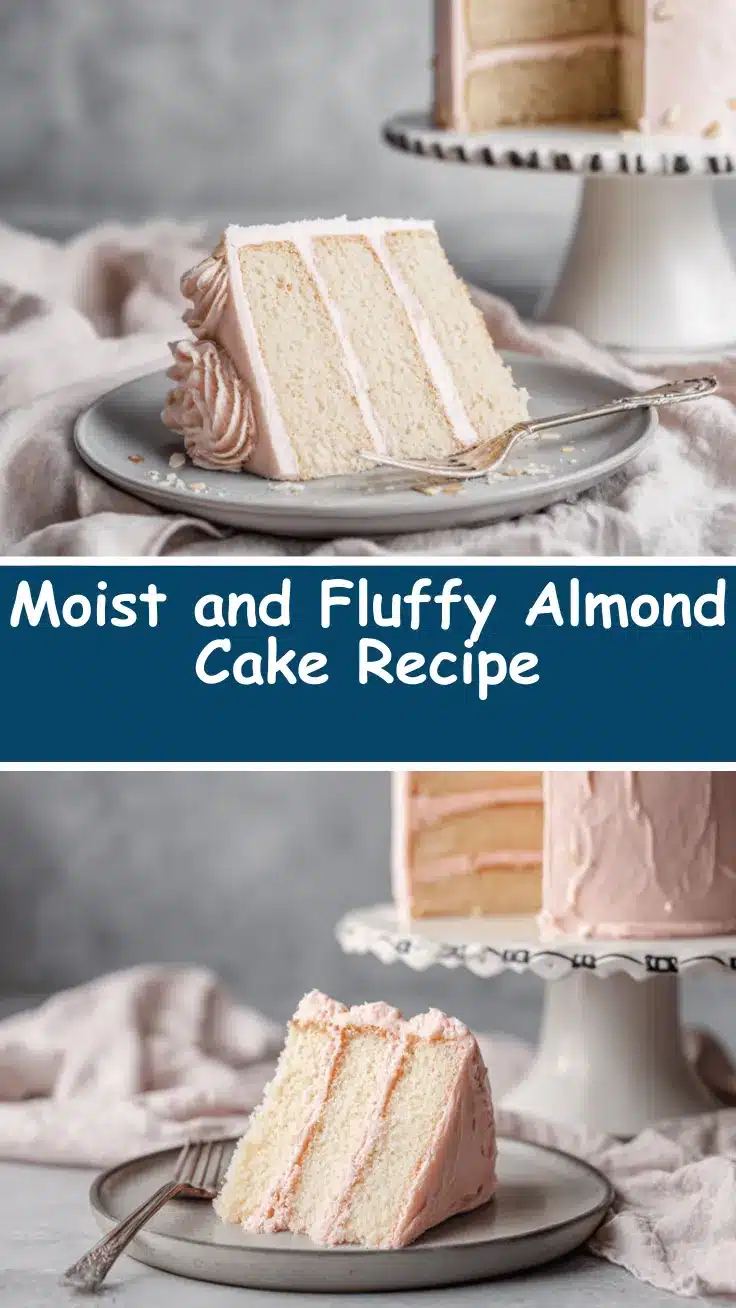
Almond Cake Recipe – Easy Moist Layers for Perfect Dessert Bars

This almond cake recipe yields moist, fluffy layers that slice perfectly into dessert bars. With simple pantry ingredients and a rich almond flavor, it’s an easy, crowd-pleasing treat for any occasion.
- Prep Time: 15 minutes
- Cook Time: 30 minutes
- Total Time: 45 minutes
- Yield: 18 bars 1x
- Category: Dessert
- Cuisine: American
Ingredients
- 2 cups (200 g) almond flour (finely ground, blanched preferred)
- 1 cup (120 g) all-purpose flour
- 1 1/4 cups (250 g) granulated sugar
- 1 cup (225 g) unsalted butter, softened
- 4 large eggs, room temperature
- 3/4 cup (180 ml) whole milk or almond milk
- 1 teaspoon vanilla extract
- 1/2 teaspoon almond extract (optional)
- 2 teaspoons baking powder
- 1/2 teaspoon salt
- 1/2 cup (50 g) sliced almonds (optional, for topping)
- Powdered sugar (for dusting, optional)
Instructions
- Preheat your oven to 350°F (175°C). Line a 9×13-inch baking pan with parchment paper, leaving an overhang for easy removal. Lightly grease the paper and sides.
- In a medium bowl, whisk together almond flour, all-purpose flour, baking powder, and salt.
- In a large bowl, use an electric mixer to beat the softened butter and granulated sugar until pale and fluffy, about 2-3 minutes.
- Beat in the eggs one at a time, mixing well after each addition.
- Mix in vanilla extract and almond extract (if using).
- Add the dry ingredients to the wet mixture in two additions, mixing on low just until combined. Do not overmix.
- Pour in the milk and mix gently until the batter is smooth and thick but spreadable. Add an extra tablespoon of milk if needed.
- Scrape the batter into the prepared pan and spread evenly. Tap the pan lightly to remove air bubbles.
- Sprinkle sliced almonds on top if using. Optionally, sprinkle a little coarse sugar.
- Bake for 28-32 minutes, or until the top is golden and a toothpick inserted in the center comes out clean or with a few moist crumbs. Rotate the pan halfway through baking.
- Cool the cake in the pan on a wire rack for 15 minutes, then lift out using the parchment and cool completely on the rack.
- Once fully cooled, dust with powdered sugar and cut into squares or bars. For cleaner edges, chill the cake for 30 minutes before slicing.
Notes
For best results, use finely ground almond flour. Do not overmix the batter after adding dry ingredients. Room temperature ingredients yield a smoother batter and even bake. Add a spoonful of Greek yogurt for extra moisture. The cake can be made gluten-free or dairy-free with simple swaps. Let the cake cool completely before slicing for neat bars.
Nutrition
- Serving Size: 1 bar (1/18 of cake)
- Calories: 210
- Sugar: 12
- Sodium: 120
- Fat: 13
- Saturated Fat: 5
- Carbohydrates: 20
- Fiber: 2
- Protein: 4
Keywords: almond cake, dessert bars, easy almond cake, moist cake, almond dessert, potluck dessert, nutty cake, gluten-free option, dairy-free option, cake bars