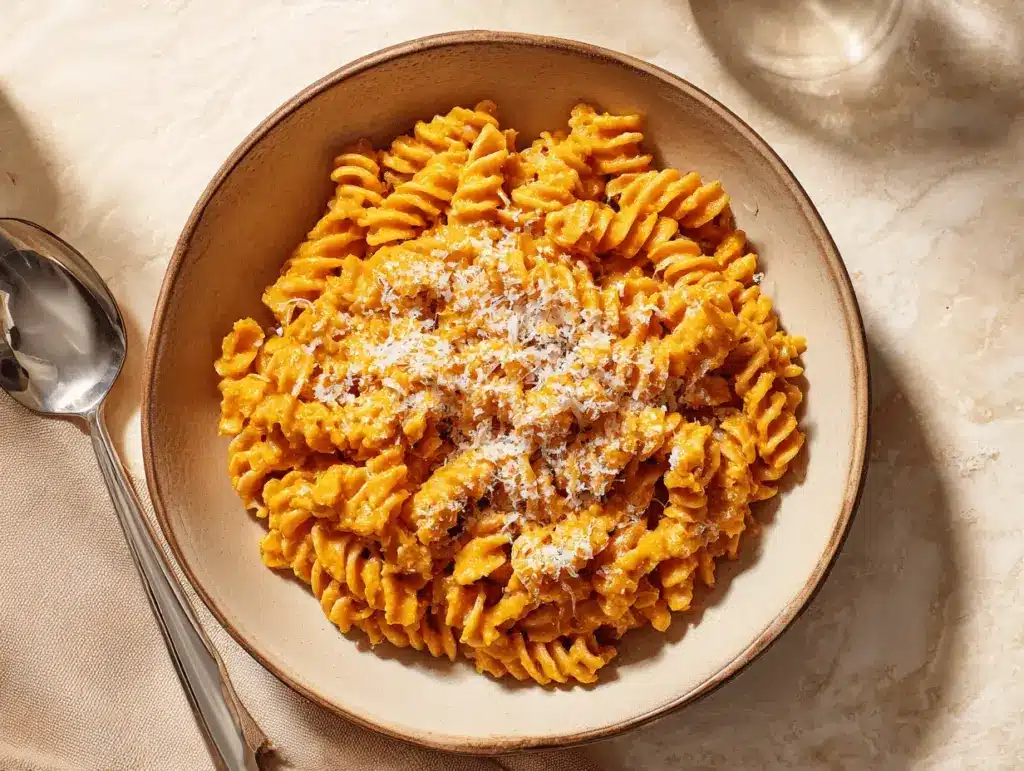
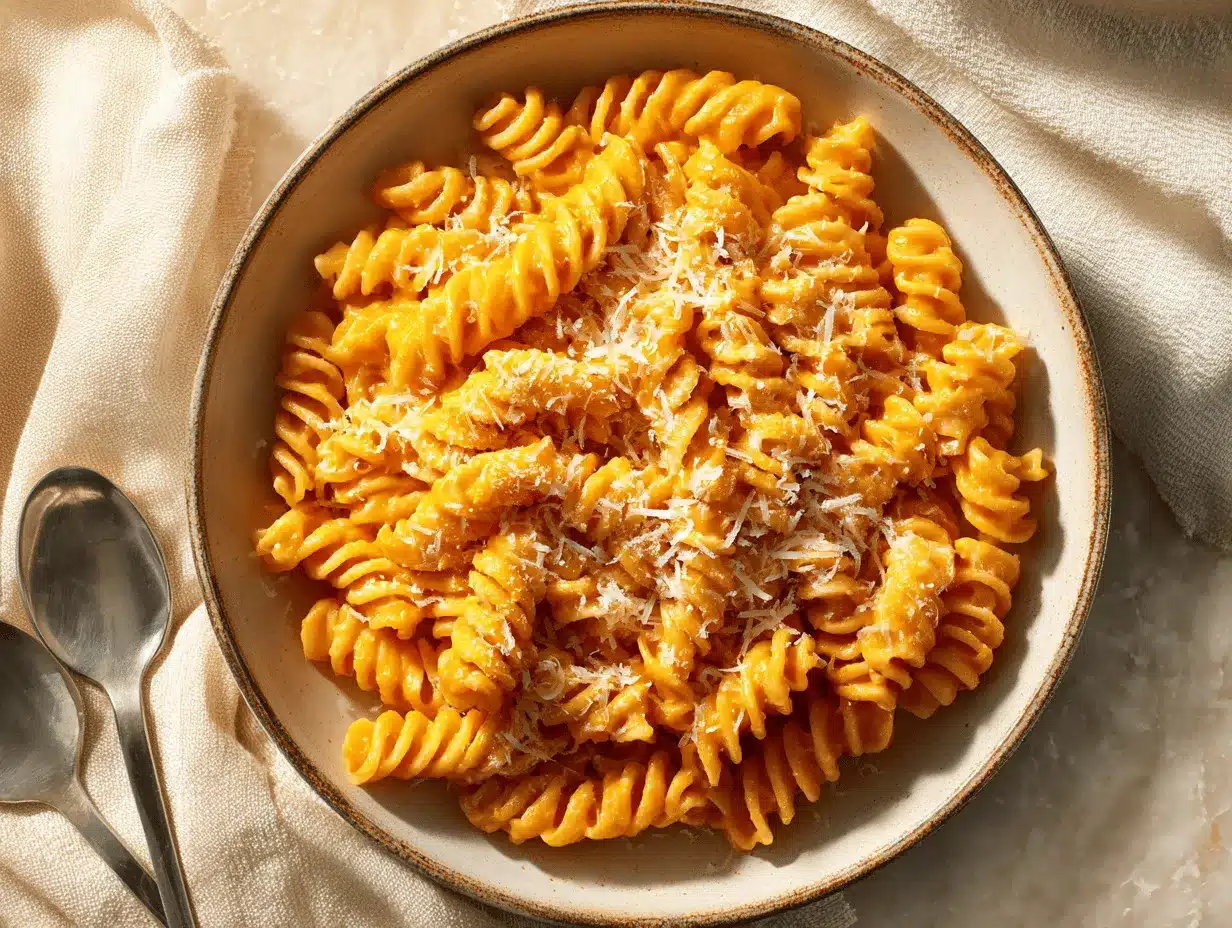
The first time I made butternut squash pasta sauce, my whole kitchen smelled like autumn comfort—sweet, nutty, and almost caramel-like. There’s something about that golden, velvety sauce wrapping itself around each noodle that makes you want to cozy up with a big bowl and a fluffy blanket. Honestly, I stumbled into this recipe on a chilly weeknight when I wanted something creamy but didn’t want to use heavy cream (or, let’s face it, do an extra grocery run). Since then, this butternut squash pasta sauce has become one of my most-requested dishes, especially from my vegan friends and anyone who loves a lighter twist on classic comfort food.
Over the years, I’ve tested this butternut squash pasta sauce a dozen different ways: roasted, steamed, blended with cashews, or finished with a splash of coconut milk. Each time, it’s amazed me how such humble ingredients can turn into something that feels so special. As a busy home cook, I love that this sauce is healthy, easy to prep ahead, and totally customizable. Whether you’re after a dairy-free option, a way to sneak more veggies into your meals, or just looking for a new pasta obsession, you’re in the right spot. This is the kind of recipe that works for families, picky kids, or anyone who wants to eat a little better without sacrificing flavor.
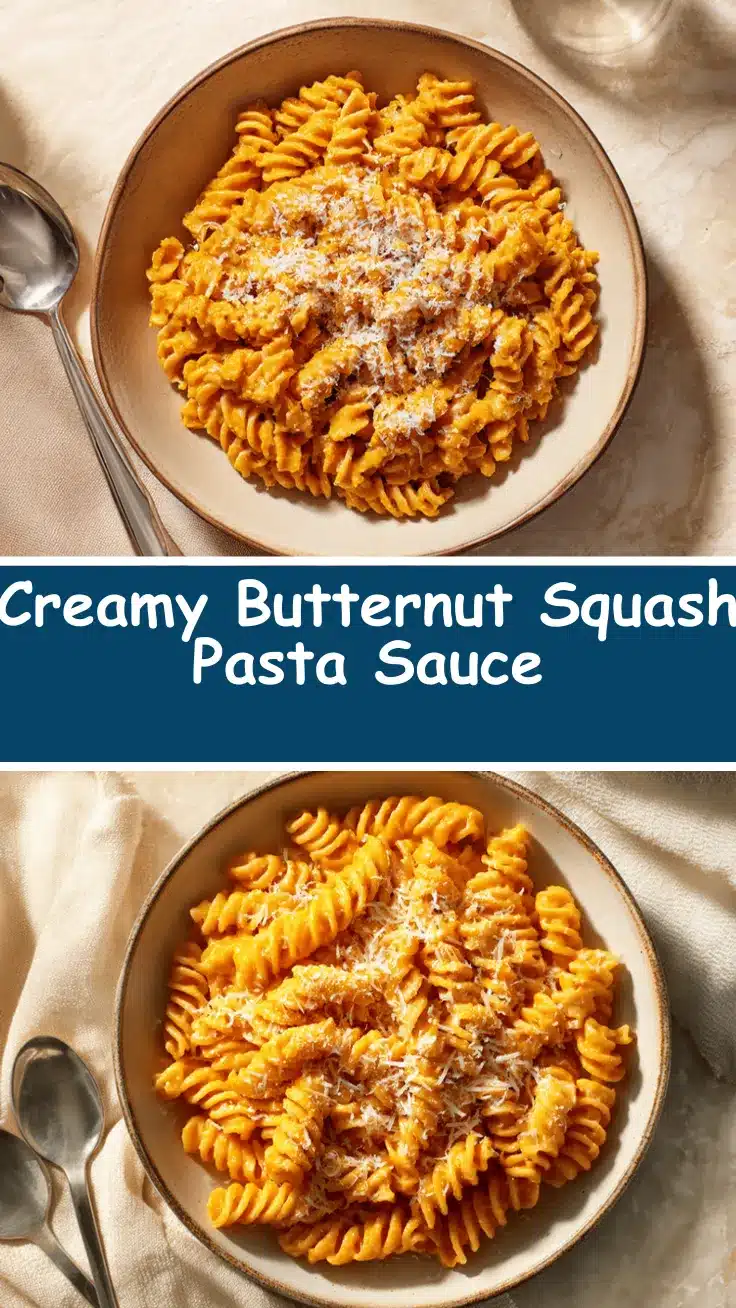
My butternut squash pasta sauce isn’t just creamy—it’s silky, rich, and naturally sweet, with the option to go full vegan. Even after making it countless times, I still get excited when I pour that glowing sauce over hot pasta and watch everyone dive in for seconds. Trust me, if you try it once, it’ll end up on repeat in your kitchen too!
Why You’ll Love This Butternut Squash Pasta Sauce
- Quick & Easy: You can get this butternut squash pasta sauce on the table in about 35 minutes, most of it hands-off roasting time. Perfect for busy weeknights or when you want something impressive with minimal effort.
- Simple Ingredients: Nothing fancy required—you probably already have most of these in your pantry. Butternut squash, garlic, onion, a splash of milk (or plant-based milk), and a few seasonings do all the heavy lifting.
- Perfect for Any Occasion: This sauce works for cozy dinners, meal prep, or even as a show-stopping holiday dish. It’s a crowd-pleaser, trust me—kids inhale it and adults always ask for the recipe.
- Creamy Without Cream: Here’s the magic—no heavy cream, no butter, no cheese required. The butternut squash gets unbelievably creamy when blended, especially if you add a bit of coconut milk or cashews for that luscious texture.
- Healthy & Comforting: It’s loaded with vitamins, fiber, and plant-based goodness, but you’d never guess from the decadent taste.
What really sets this butternut squash pasta sauce apart is the method—roasting the squash with garlic and onion until they’re caramelized adds layers of flavor you just can’t get from boiling. Blending it all together (sometimes with a handful of soaked cashews for extra silkiness) creates a sauce so smooth you’ll swear there’s dairy in it. I’ve tried dozens of creamy vegan pasta sauces, but nothing beats the subtle sweetness and depth of butternut squash. Plus, you can adjust the seasonings to fit any mood—savory with sage, spicy with chili, or cheesy with a sprinkle of nutritional yeast. For me, it’s the kind of dinner that feels like a hug in a bowl. You won’t just love eating it; you’ll love sharing it, too.
What Ingredients You Will Need
Let’s be honest—one of the best things about this butternut squash pasta sauce is how easy it is to pull together. Most of the ingredients are pantry staples, and if you’re vegan or dairy-free, there are easy swaps. Here’s what you’ll need for this creamy, healthy sauce:
- Butternut Squash, peeled and cubed (about 3 cups or 450g) – This is the star of the show. For best flavor, I like to use fresh, but frozen chunks totally work when you’re in a rush.
- Yellow Onion, diced (1 medium) – Adds sweetness and depth. White onion is a fine substitute if that’s what you have.
- Garlic Cloves, peeled (3-4 cloves) – Roasted with the squash for mellow, rich flavor.
- Olive Oil (2 tablespoons/30ml) – For roasting everything to golden perfection. Avocado oil is a good alternative.
- Vegetable Broth (1 cup/240ml) – Helps blend the sauce and adds savory notes. You can use chicken broth if you’re not vegan.
- Plant-Based Milk (½ cup/120ml, such as oat, almond, or coconut) – Makes the sauce creamy without dairy. For extra richness, go with unsweetened coconut milk.
- Raw Cashews (optional, ¼ cup/30g, soaked and drained) – For an even silkier, “alfredo-like” texture. Skip or sub with sunflower seeds for nut-free.
- Nutritional Yeast (2 tablespoons/15g, optional) – Adds a cheesy, umami kick. I love Bragg’s brand for this.
- Sage or Thyme (1 teaspoon dried or 1 tablespoon fresh, optional) – For a classic autumn flavor. Fresh is best if you can swing it.
- Salt & Pepper (to taste) – I always start with ½ teaspoon of salt and adjust at the end.
- Pasta of Choice (12 ounces/340g) – I like short shapes like penne or rigatoni for maximum sauce cling. Gluten-free or whole wheat pasta both work great.
If you want to mix things up, you can add a pinch of red pepper flakes for heat, a squeeze of lemon for brightness, or a handful of spinach at the end for extra greens. For meal prep, I sometimes roast a double batch of squash to use in soups or salads later in the week. And if you’re out of butternut, go wild—sweet potato or pumpkin make great stand-ins!
Equipment Needed
- Baking Sheet – For roasting the squash, onion, and garlic. I prefer a rimmed sheet to catch any juices (parchment paper makes clean-up a breeze).
- Sharp Chef’s Knife & Peeler – Butternut squash can be a pain to peel, so a sturdy peeler and a safe cutting board help a ton. I’ve used a Y-peeler for years—it’s a lifesaver.
- Blender or Food Processor – To get the sauce ultra-smooth. Both work, but I find a high-speed blender (like a Vitamix) gives the creamiest results. An immersion blender is fine for a slightly rustic sauce.
- Large Pot for Pasta – Any stockpot or deep saucepan will do. If you’re making gluten-free pasta, use plenty of water to prevent sticking.
- Measuring Cups & Spoons – For accuracy and consistency.
- Fine Mesh Strainer (optional) – For draining soaked cashews or rinsing pasta.
If you don’t have a blender, don’t panic—a potato masher or even a fork will work for a chunkier sauce (it’ll still taste great). For budget-friendly options, I’ve used a $20 stick blender with perfectly good results—just blend in the pot! And a tip: always hand-wash blender blades to keep them sharp for years.
How to Make Butternut Squash Pasta Sauce
-
Prep the Veggies (5 minutes):
Preheat your oven to 425°F (220°C). Peel and cube the butternut squash into 1-inch (2.5cm) pieces. Dice the onion and peel the garlic cloves. (Be careful with the squash—it can be slippery! I like to microwave it for 2 minutes first to make peeling easier.)
-
Roast the Squash (25-30 minutes):
Spread the squash, onion, and garlic on your baking sheet. Drizzle with olive oil, toss with ½ teaspoon salt and a few grinds of pepper. Roast for 25-30 minutes, stirring halfway, until the squash is golden and fork-tender. Your kitchen should smell sweet and savory—like autumn in a pan.
-
Soak the Cashews (optional, 10 minutes):
If you’re using cashews for extra creaminess, soak them in hot water while the veggies roast. This softens them and helps them blend smoother. Drain before blending.
-
Cook the Pasta (10-12 minutes):
While the veggies roast, bring a large pot of salted water to a boil. Cook your pasta according to package directions until al dente. Reserve ½ cup (120ml) pasta water before draining—it’s liquid gold for thinning the sauce later!
-
Blend the Sauce (5 minutes):
Add the roasted squash, onion, garlic, soaked cashews (if using), vegetable broth, plant-based milk, nutritional yeast, and herbs to your blender. Blend until silky smooth—1-2 minutes in a high-speed blender, scraping down the sides as needed. If it’s too thick, add a splash more broth or pasta water. The sauce should be pourable but rich—think thick soup.
-
Taste & Adjust (2 minutes):
Give the sauce a taste. Add more salt, pepper, or nutritional yeast as you like. Sometimes I toss in a pinch of chili flakes or a squeeze of lemon juice for brightness.
-
Combine & Serve (2 minutes):
Return the drained pasta to the pot and pour the sauce over. Toss gently, adding reserved pasta water as needed to coat every noodle. Serve hot, garnished with extra sage, cracked pepper, or toasted nuts if you’re feeling fancy.
Troubleshooting: If your sauce is too thick, thin it with more broth or pasta water. Too thin? Blend in a handful more roasted squash or a spoonful of nutritional yeast. And don’t skip tasting at the end—it’s the best way to make sure every bite is perfect.
Cooking Tips & Techniques
- Roasting is key: Roasting the squash, onion, and garlic brings out their natural sweetness and creates a depth of flavor boiling just can’t touch. Trust me, your sauce will taste gourmet with minimal effort!
- Don’t skip soaking cashews: If you’re using them, even a quick soak in hot water makes a difference. It helps them blend into a creamy texture instead of gritty bits—I learned this after one too many chunky sauces.
- Use pasta water for magic: Reserved pasta water is starchy and helps the sauce cling to every noodle. Add it slowly until you reach perfect creaminess.
- Taste as you go: Every butternut squash is a little different—some are sweet, some are mellow. Adjust the salt, pepper, and acid (like lemon juice) at the end for a balanced sauce.
- Multitask efficiently: Roast the veggies and cook the pasta simultaneously to save time. I like to blend the sauce while the pasta boils, so everything comes together right when you’re hungry.
One lesson learned the hard way: over-blending with too much liquid can make the sauce watery. Always start with less and add more as needed. And don’t be afraid to blend in extra flavor—herbs, nutritional yeast, or a few spinach leaves for color. The best sauces are the ones you tweak to your own taste!
Variations & Adaptations
- Vegan Alfredo: Add ¼ cup (30g) soaked cashews and 2 tablespoons (15g) nutritional yeast while blending. The result is a sauce that’s so creamy, you’ll swear it’s cheese-based!
- Spicy Kick: Toss in a pinch of red pepper flakes or a chopped chipotle pepper for some heat. I do this for grown-up dinners when we want something with a little attitude.
- Herby & Fresh: Stir in a handful of chopped fresh basil or parsley just before serving. Perfect for summer or when you want a pop of green.
- Nut-Free Option: Skip the cashews and use sunflower seeds, or just omit—they aren’t essential for a smooth sauce if you use full-fat coconut milk.
- Different Veggies: Swap part of the butternut squash with roasted carrots, sweet potatoes, or even pumpkin for a slightly different flavor profile.
- Gluten-Free: Use your favorite gluten-free pasta—the sauce is naturally gluten-free.
One of my favorite personal twists: I’ll add a handful of baby spinach or kale to the blender for a hidden veggie boost. The kids never notice, and it gives the sauce a lovely pale green hue!
Serving & Storage Suggestions
This butternut squash pasta sauce is best served piping hot, poured generously over your favorite noodles. For a cozy presentation, top each bowl with fresh sage leaves, a sprinkle of toasted nuts or seeds, and a crack of black pepper. I love pairing it with a crisp green salad or garlic bread for a complete meal.
Leftovers keep beautifully in the fridge for up to 4 days—just store sauce and pasta separately if possible. To reheat, gently warm the sauce on the stovetop or in the microwave, thinning with a splash of plant milk or water as needed. You can also freeze the sauce (without pasta) for up to 2 months. Thaw overnight in the fridge and reblend for best texture.
Honestly, the flavors deepen after a day or two, making this a winner for meal prep or packed lunches—you might even like it better the next day!
Nutritional Information & Benefits
Per generous serving (sauce only): about 110 calories, 3g fat, 18g carbs, 3g protein, and loads of vitamin A and fiber from the butternut squash. If you add cashews, you’ll get a healthy dose of plant-based fats and a bit more protein, too.
This butternut squash pasta sauce is naturally gluten-free, dairy-free, and vegan (if you use plant-based milk and skip animal-based broth). It’s also a great way to sneak extra veggies into your day. Butternut squash is loaded with antioxidants, potassium, and vitamin C—so you’re nourishing your body while satisfying those creamy pasta cravings. Just a heads up: if you have a tree nut allergy, go with the nut-free version.
From a wellness perspective, this recipe is a staple in my healthy comfort food rotation. It’s proof that you don’t have to choose between flavor and feeling good!
Conclusion
If you’re searching for a creamy, comforting, and healthy pasta sauce that everyone will love, this butternut squash pasta sauce really delivers. It’s easy, adaptable, and brings serious flavor without any dairy or complicated steps. I’ve made it for countless family dinners, potlucks, and meal preps—and it always gets rave reviews.
Don’t be afraid to play with the flavors and make it your own. Add more herbs, swap veggies, or spice it up to suit your mood. That’s half the fun! Personally, I love how this sauce brings a little warmth and coziness to any night, even the busiest ones.
If you give this recipe a try, let me know in the comments how it turned out, or share your own twist! I’d love to hear your experiences. Go ahead—grab a fork, dig in, and enjoy your new favorite pasta sauce!
Frequently Asked Questions
Can I make butternut squash pasta sauce ahead of time?
Absolutely! You can make the sauce up to 4 days ahead and store it in the fridge, or freeze it for up to 2 months. Just reheat gently and add a splash of plant-based milk or water to loosen it if needed.
What pasta shapes work best with this sauce?
Short shapes like penne, rigatoni, or fusilli are great because they grab onto the sauce. But honestly, any pasta you love will work—including gluten-free varieties!
Is this butternut squash pasta sauce really vegan?
Yes, as long as you use plant-based milk and vegetable broth, the sauce is fully vegan. You can skip the nutritional yeast if you don’t need the cheesy flavor boost.
Can I use frozen butternut squash?
Totally! Frozen butternut squash saves time—just roast it straight from frozen, adding a few extra minutes until it’s fork-tender and caramelized. The flavor and texture are still great.
How do I make the sauce nut-free?
Simply skip the cashews or sub with sunflower seeds. Using full-fat coconut milk can also add creaminess without any nuts.
Pin This Recipe!
Butternut Squash Pasta Sauce

This easy, creamy butternut squash pasta sauce is vegan-friendly, healthy, and packed with autumn flavor. Roasted squash, garlic, and onion blend into a silky sauce perfect for cozy dinners or meal prep.
- Prep Time: 10 minutes
- Cook Time: 30 minutes
- Total Time: 40 minutes
- Yield: 4 servings 1x
- Category: Main Course
- Cuisine: American
Ingredients
- 3 cups (about 1 pound) butternut squash, peeled and cubed
- 1 medium yellow onion, diced
- 3–4 garlic cloves, peeled
- 2 tablespoons olive oil
- 1 cup vegetable broth
- 1/2 cup plant-based milk (such as oat, almond, or coconut)
- 1/4 cup raw cashews, soaked and drained (optional)
- 2 tablespoons nutritional yeast (optional)
- 1 teaspoon dried sage or thyme, or 1 tablespoon fresh (optional)
- 1/2 teaspoon salt, plus more to taste
- Black pepper, to taste
- 12 ounces pasta of choice (regular, gluten-free, or whole wheat)
- Red pepper flakes, lemon juice, or spinach (optional, for variation)
Instructions
- Preheat oven to 425°F (220°C). Peel and cube the butternut squash into 1-inch pieces. Dice the onion and peel the garlic cloves.
- Spread squash, onion, and garlic on a baking sheet. Drizzle with olive oil, toss with 1/2 teaspoon salt and pepper. Roast for 25-30 minutes, stirring halfway, until golden and fork-tender.
- If using cashews, soak them in hot water for 10 minutes while veggies roast. Drain before blending.
- Bring a large pot of salted water to a boil. Cook pasta according to package directions until al dente. Reserve 1/2 cup pasta water before draining.
- Add roasted squash, onion, garlic, soaked cashews (if using), vegetable broth, plant-based milk, nutritional yeast, and herbs to a blender. Blend until silky smooth, 1-2 minutes. Add more broth or pasta water if needed for a pourable, rich consistency.
- Taste and adjust seasoning with more salt, pepper, nutritional yeast, chili flakes, or lemon juice as desired.
- Return drained pasta to the pot. Pour sauce over and toss gently, adding reserved pasta water as needed to coat. Serve hot, garnished with extra sage, cracked pepper, or toasted nuts if desired.
Notes
Roasting the squash, onion, and garlic adds depth and sweetness. Soak cashews for extra creaminess, or skip for nut-free. Use reserved pasta water to adjust sauce consistency. Sauce can be made ahead and stored in the fridge for up to 4 days or frozen for 2 months. For variations, add spinach, swap in sweet potato or pumpkin, or spice it up with chili flakes.
Nutrition
- Serving Size: About 1/4 of sauce with pasta per serving
- Calories: 110
- Sugar: 4
- Sodium: 350
- Fat: 3
- Saturated Fat: 0.5
- Carbohydrates: 18
- Fiber: 3
- Protein: 3
Keywords: butternut squash pasta sauce, vegan pasta sauce, creamy pasta sauce, dairy-free, autumn recipes, healthy comfort food, plant-based, gluten-free option, easy dinner, meal prep