Introduction
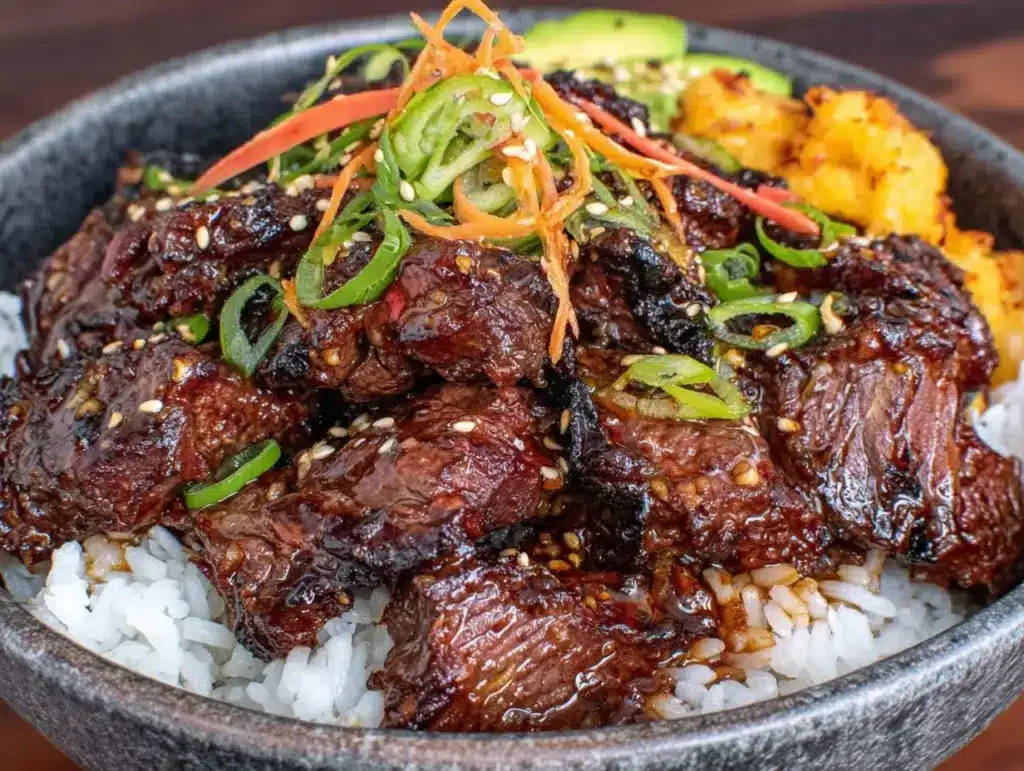
“You’ve gotta try this Korean beef bowl,” my coworker said, sliding a container across the desk with a grin. I was skeptical — Korean flavors in a quick bowl? My usual go-to dinners were more straightforward, less adventurous. But after one whiff, that sticky-sweet aroma filled my tiny, cluttered kitchen, pulling me away from my usual takeout routine. Honestly, it felt like a small celebration in a bowl, right when I needed it most.
This recipe didn’t come from a fancy cookbook or a viral video; it was born out of a busy weeknight scramble when I had ground beef, a few pantry staples, and maybe five minutes before the hunger chaos set in. The magic was in the sauce — simple ingredients, but that perfect balance of savory, sweet, and umami that got me hooked instantly. I found myself making this Korean beef bowl not once, but several times that week. The flavor was so rich and satisfying, yet it only took about 20 minutes to pull together.
It’s one of those recipes that sneaks up on you — no complicated steps or weird ingredients, just honest, bold flavor that feels like a little escape. Plus, it’s versatile enough to work with whatever veggies or rice you have on hand, making it a quiet little kitchen hero. This bowl stuck with me because it proved fast food could be healthy and delicious without the stress or the guilt. I guess sometimes the simplest meals end up being the most memorable.
Why You’ll Love This Recipe
- Quick & Easy: Comes together in under 25 minutes — ideal for those hectic evenings when you’re juggling a million things.
- Simple Ingredients: No need to raid specialty stores; most of what you need is probably in your pantry already.
- Perfect for Weeknight Dinners: It’s comforting and filling without being heavy, so great for family meals or solo suppers.
- Crowd-Pleaser: Kids and adults alike appreciate the sweet-savory combo that feels familiar but exciting.
- Unbelievably Delicious: The sauce blends soy, garlic, and a hint of brown sugar to create that addictive Korean barbecue vibe.
This isn’t just another ground beef recipe tossed over rice — the secret lies in the sauce’s perfectly balanced seasoning. The garlic and ginger add warmth, while the sesame oil gives it that nutty nuance that stays with you. I also love how quick the beef cooks, locking in juiciness without drying out, which sometimes happens in other recipes. Unlike heavier dishes, this bowl feels fresh and lively.
Plus, it’s a recipe that invites creativity. Whether you want to sneak in some greens or swap in cauliflower rice for a low-carb twist, it’s totally flexible. Honestly, it’s comfort food reimagined — fast, flavorful, and wholesome. And if you’re in the mood for a dessert afterward, I can’t recommend enough the creamy key lime pie bars — the zingy finish to a perfectly balanced dinner.
What Ingredients You Will Need
This recipe uses simple, wholesome ingredients to deliver bold flavor and satisfying texture without the fuss. Most of these are pantry staples, but I’ll note a few tips for picking the best versions or substitutions.
- Ground beef (80/20 blend recommended): Provides the rich, juicy base. I prefer grass-fed beef for flavor, but regular is fine.
- Soy sauce (low sodium): The salty backbone of the sauce. Brands like Kikkoman work well.
- Brown sugar: Balances the saltiness with a mellow sweetness.
- Garlic, minced: Fresh is best to punch up that signature Korean flavor.
- Ginger, grated: Adds a warm, spicy note. You can use ground ginger if pressed, but fresh is ideal.
- Sesame oil: The nutty finish that makes the dish sing. A little goes a long way.
- Red pepper flakes (optional): For a subtle kick, especially if you like a bit of heat.
- Green onions, sliced: For garnish and freshness.
- Cooked white or brown rice: The perfect base to soak up all those flavors. For a low-carb option, swap in cauliflower rice.
- Vegetables (optional): I often toss in shredded carrots or steamed broccoli for a pop of color and crunch.
For those who need gluten-free, substitute tamari or coconut aminos for soy sauce. If you want to keep it dairy-free and paleo-friendly, this recipe already fits the bill as is. When I first made this, I grabbed a small jar of gochujang (Korean chili paste) for an extra layer of flavor — totally optional but worth a try if you want to experiment.
Equipment Needed
- Large skillet or frying pan: For cooking the beef evenly. A non-stick pan works great, but cast iron adds a nice sear.
- Spatula or wooden spoon: For breaking up the beef during cooking.
- Measuring spoons and cups: To keep the sauce balanced.
- Grater or microplane: Handy for fresh ginger and garlic if you prefer freshly grated.
- Rice cooker or pot: To prepare your rice or cauliflower rice base.
If you don’t have a grater, you can finely mince garlic and ginger instead. For budget-friendly options, a good non-stick skillet from brands like T-fal can make a big difference in cooking ease and cleanup. I’ve found that a sturdy spatula helps to prevent scraping the pan and keeps the beef from sticking or burning.
Preparation Method
- Prepare the rice: Start by cooking 2 cups (about 370g) of white or brown rice according to package instructions. This usually takes about 15-20 minutes. Keep warm until serving.
- Mix the sauce: In a small bowl, whisk together 1/4 cup (60ml) low sodium soy sauce, 2 tablespoons (25g) brown sugar, 1 teaspoon (5ml) sesame oil, 2 cloves of minced garlic, and 1 teaspoon (5g) grated fresh ginger. If you want heat, add 1/4 teaspoon (1g) red pepper flakes. Set aside.
- Cook the beef: Heat a large skillet over medium-high heat. Add 1 pound (450g) of ground beef and cook for about 5-7 minutes, breaking it up with a spatula until browned and no longer pink. Drain excess fat if necessary.
- Add the sauce: Pour the sauce over the cooked beef. Stir well and cook for another 3-4 minutes, letting the sauce thicken and coat the meat. You’ll know it’s ready when the beef looks glossy and the sauce has reduced slightly.
- Add veggies (optional): If you’re using quick-cooking veggies like shredded carrots or chopped scallions, toss them in during the last minute of cooking to soften slightly but stay crisp.
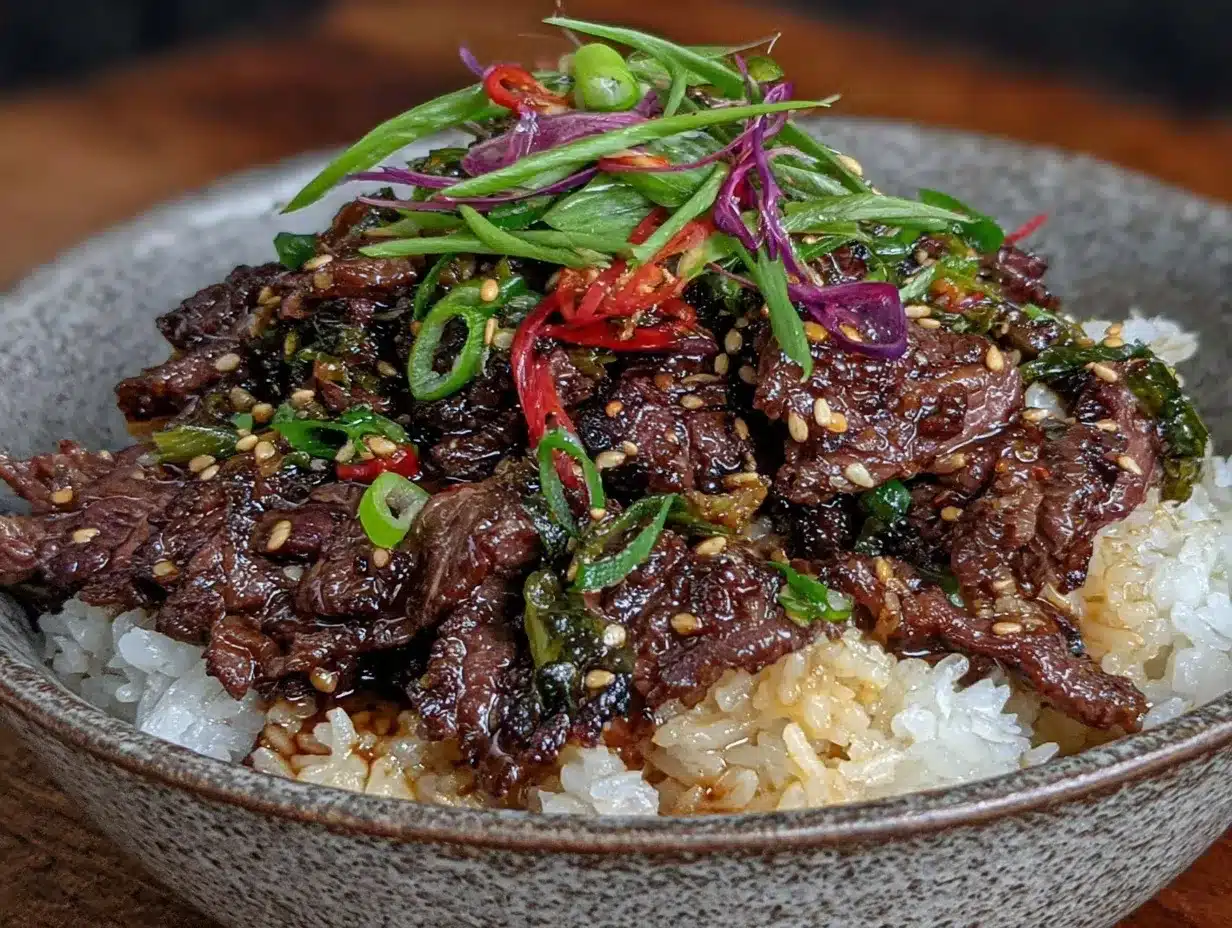
- Assemble the bowls: Spoon the warm rice into bowls, then top with the Korean beef mixture. Garnish with sliced green onions and a sprinkle of sesame seeds if you have them on hand.
Tip: If the sauce seems too salty or thick, splash in a tablespoon (15ml) of water to loosen it up. The key is balancing a sticky, flavorful glaze without overpowering the beef.
Cooking Tips & Techniques
One thing I learned the hard way is not to rush the browning of the beef. Medium-high heat is your friend here — it helps caramelize the meat, locking in flavor without drying it out. If your pan is overcrowded, the beef steams instead of browns, so cook in batches if needed.
Also, I usually toast the sesame seeds for a minute or two in a dry pan before garnishing — it amps up the nuttiness and adds a nice crunch. When mixing the sauce, whisking thoroughly helps the sugar dissolve completely, preventing any graininess in the final dish.
Don’t underestimate the power of fresh garlic and ginger. The bottled stuff can work in a pinch, but fresh ingredients make a big difference in depth and brightness. If you’re short on time, prepping the sauce ahead and storing it in the fridge saves a step on busy nights.
For multitasking, get your rice started first, then prep the sauce while the beef cooks. This way, everything comes together smoothly without standing around waiting.
Variations & Adaptations
- Vegetarian version: Swap ground beef for crumbled firm tofu or cooked lentils. Toss in mushrooms for extra umami.
- Spicy kick: Add more red pepper flakes or stir in 1 tablespoon (15g) of gochujang for authentic Korean heat.
- Low-carb option: Serve over cauliflower rice or sautéed zucchini noodles instead of traditional rice.
- Seasonal veggies: In spring, I like adding blanched snap peas or shredded cabbage. In winter, roasted carrots or steamed broccoli work beautifully.
- Meal prep friendly: This beef holds up well in the fridge for up to 4 days and reheats easily — perfect for quick lunches or dinners.
I once tried adding a soft fried egg on top for a runny yolk to mix in, making it feel extra indulgent. Totally recommend if you want to turn this into a weekend treat.
Serving & Storage Suggestions
Serve your Korean beef bowl hot, straight from the pan, to enjoy the fullest flavors and textures. I like to garnish with fresh green onions and a few toasted sesame seeds for a little crunch and color. It pairs nicely with simple sides like steamed bok choy or a crisp cucumber salad to balance the richness.
If you’re in the mood for a drink alongside, a light green tea or a sparkling water with a squeeze of lemon works wonders to refresh the palate.
Leftovers store well in an airtight container in the fridge for up to 4 days. When reheating, sprinkle a few drops of water over the beef to keep it moist, then warm gently in a skillet or microwave.
Flavors actually develop even more after resting overnight, so sometimes the next day’s bowl tastes even better than the first.
Nutritional Information & Benefits
One serving (roughly one bowl) provides about 400-450 calories, with 25-30 grams of protein from the beef, making it a satisfying and balanced meal. The brown sugar is minimal, keeping added sugars low but enough to balance the savory notes.
Ground beef offers iron and B vitamins, essential for energy, while garlic and ginger contribute antioxidants and anti-inflammatory benefits.
By using leaner ground beef and whole grain rice, you can keep this dish on the healthier side without sacrificing flavor. It’s naturally gluten-free if you choose tamari, and you can easily adapt it for low-carb or vegetarian diets.
From a wellness perspective, this bowl hits that sweet spot where comfort food meets mindful eating — quick, nourishing, and satisfying.
Conclusion
This easy flavor-packed Korean beef bowl is one of those recipes that feels like a real win on busy nights. It’s got just the right amount of sweetness, savoriness, and a hint of heat that makes every bite worth savoring. The best part? You can tweak it endlessly to suit your mood or pantry.
I love this dish because it reminds me that good food doesn’t have to be complicated or time-consuming. It’s honest, comforting, and always ready to pull me out of a dinner rut. If you try it, I’d love to hear how you make it your own — drop a comment or share your favorite variations!
And if you’re looking for a perfect dessert to follow, the rich million dollar pound cake is a dreamy finish.
Happy cooking, and here’s to many cozy, flavor-packed meals ahead!
Frequently Asked Questions
Can I use ground turkey or chicken instead of beef?
Yes! Ground turkey or chicken work well, but they tend to be leaner, so watch the cooking time to avoid drying out. You might want to add a splash of oil when cooking.
Is this recipe gluten-free?
It can be! Just swap the soy sauce for tamari or coconut aminos, and double-check any other sauces or ingredients you use.
Can I make this recipe ahead of time?
Absolutely. The beef sauce keeps well in the fridge for up to 4 days and reheats nicely, making it great for meal prep.
What can I use instead of brown sugar?
You can substitute with honey, maple syrup, or coconut sugar, but adjust the amount slightly as these are sweeter or less granular.
How spicy is this dish?
By default, it’s mild with just a hint of warmth from optional red pepper flakes. You can increase the spice level by adding more flakes or gochujang.
Pin This Recipe!
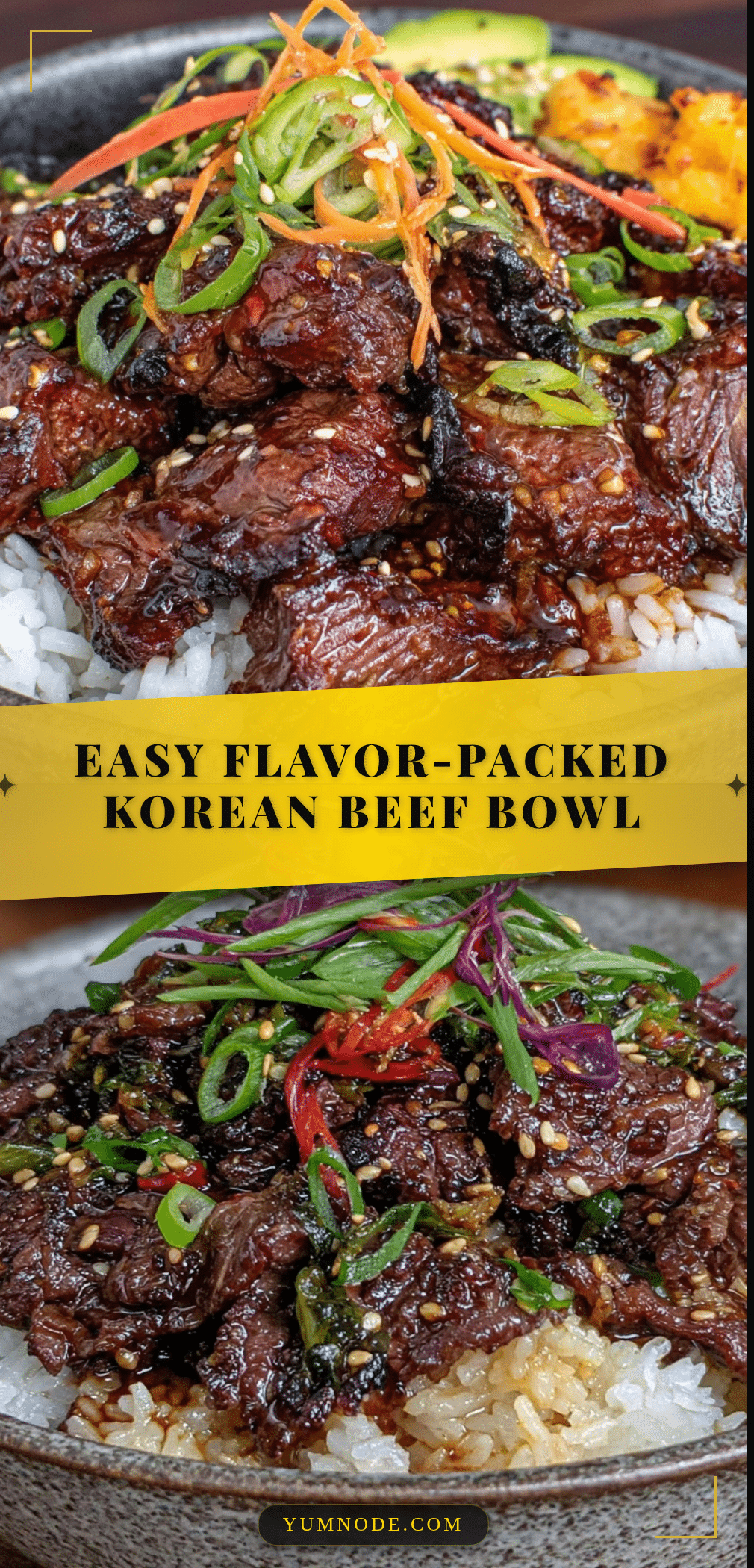
Easy Flavor-Packed Korean Beef Bowl Recipe for Quick Healthy Dinners

A quick and easy Korean beef bowl recipe featuring a savory, sweet, and umami-packed sauce, perfect for busy weeknights and adaptable to various dietary preferences.
- Prep Time: 5 minutes
- Cook Time: 20 minutes
- Total Time: 25 minutes
- Yield: 4 servings 1x
- Category: Main Course
- Cuisine: Korean
Ingredients
- 1 pound (450g) ground beef (80/20 blend recommended)
- 1/4 cup (60ml) low sodium soy sauce
- 2 tablespoons (25g) brown sugar
- 2 cloves garlic, minced
- 1 teaspoon (5g) fresh ginger, grated
- 1 teaspoon (5ml) sesame oil
- 1/4 teaspoon (1g) red pepper flakes (optional)
- 2 cups cooked white or brown rice (or cauliflower rice for low-carb option)
- Green onions, sliced (for garnish)
- Vegetables such as shredded carrots or steamed broccoli (optional)
- Sesame seeds (optional, for garnish)
Instructions
- Prepare the rice: Cook 2 cups (about 370g) of white or brown rice according to package instructions. Keep warm until serving.
- Mix the sauce: In a small bowl, whisk together 1/4 cup (60ml) low sodium soy sauce, 2 tablespoons (25g) brown sugar, 1 teaspoon (5ml) sesame oil, 2 cloves minced garlic, and 1 teaspoon (5g) grated fresh ginger. Add 1/4 teaspoon (1g) red pepper flakes if desired. Set aside.
- Cook the beef: Heat a large skillet over medium-high heat. Add 1 pound (450g) ground beef and cook for 5-7 minutes, breaking it up with a spatula until browned and no longer pink. Drain excess fat if necessary.
- Add the sauce: Pour the sauce over the cooked beef. Stir well and cook for another 3-4 minutes until the sauce thickens and coats the meat.
- Add veggies (optional): Toss in quick-cooking vegetables like shredded carrots or chopped scallions during the last minute of cooking to soften slightly.
- Assemble the bowls: Spoon warm rice into bowls, top with the Korean beef mixture, and garnish with sliced green onions and sesame seeds if available.
Notes
If the sauce is too salty or thick, add a tablespoon of water to loosen it. Avoid overcrowding the pan to ensure proper browning of the beef. Toast sesame seeds before garnishing for extra nuttiness. Fresh garlic and ginger provide the best flavor. Sauce can be prepared ahead and stored in the fridge. Leftovers keep well for up to 4 days and reheat nicely.
Nutrition
- Serving Size: Approximately 1 bowl
- Calories: 425
- Sugar: 8
- Sodium: 700
- Fat: 25
- Saturated Fat: 9
- Carbohydrates: 30
- Fiber: 2
- Protein: 28
Keywords: Korean beef bowl, quick dinner, ground beef recipe, easy weeknight meal, Korean barbecue sauce, healthy dinner, savory sweet beef