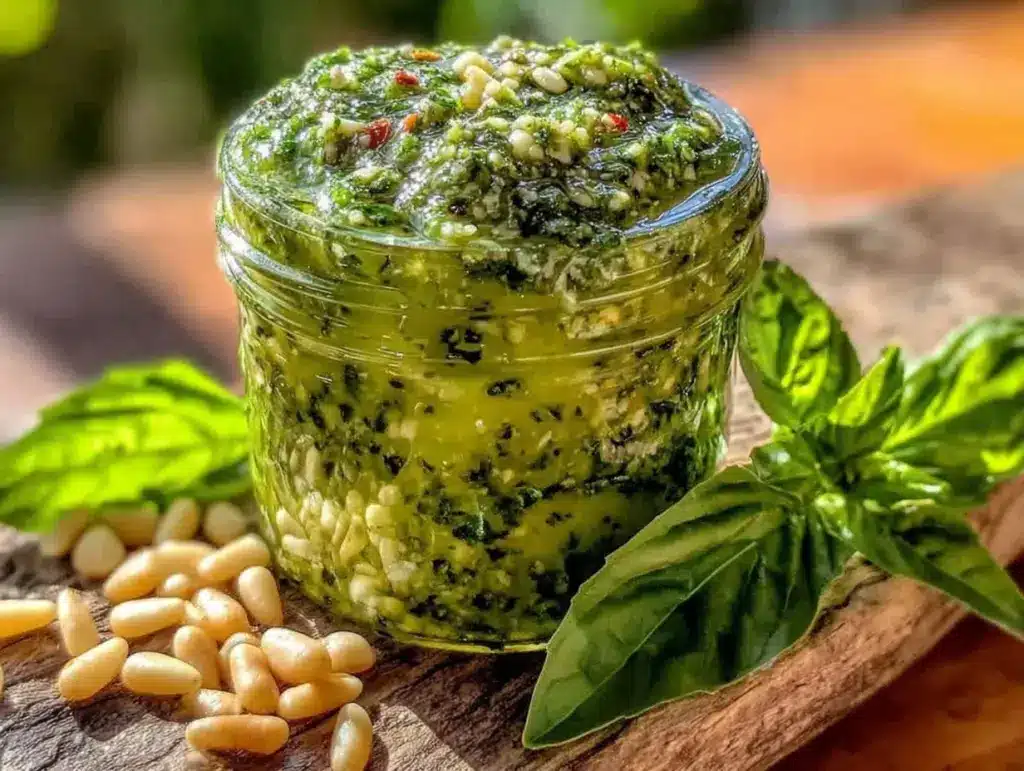
Early morning light slips through the kitchen window, casting a gentle glow on the basil leaves gathered from the garden just yesterday. The air is cool and still, the kind of quiet that invites slow, deliberate movements. With a handful of fresh basil, a rustic mortar and pestle, and the hum of the blender waiting nearby, the ritual begins. There’s something undeniably soothing about grinding fragrant basil and toasted pine nuts, the scent filling the room and promising a taste of summer even as the world outside lingers in early spring’s chill. This fresh homemade basil pesto freezer-friendly recipe isn’t just a sauce—it’s a pause, a moment of calm captured in every jar.
Years ago, I started making pesto this way because I wanted to savor that green, herbaceous flavor long after the season passed. Freezing small portions became a quiet solution to keep a bit of sunshine in the freezer, ready for those nights when time is short but good food is non-negotiable. The best part? It doesn’t lose that vibrant freshness, and honestly, the little frozen dollops have saved me more than once after a long day. This recipe has settled into my kitchen like a trusted friend—always reliable, always bright.
There’s a simple pleasure in knowing that a batch of homemade pesto is tucked away, waiting patiently. No fuss, no last-minute store runs. Just pure, fresh basil pesto ready to transform pasta, sandwiches, or even a quick grilled chicken dish. And I have to admit, making pesto this way has quietly become one of those cooking rituals I treasure—not flashy, just honest and satisfying. You might find yourself thinking the same once you try it.
It’s funny how such a humble sauce can carry so much comfort, and I hope this recipe does the same for you—offering a little green joy that’s easy to reach for, any time you need it.
Why You’ll Love This Recipe
Having made pesto countless times, I can tell you this fresh homemade basil pesto freezer-friendly recipe stands out for a number of reasons. It’s a blend of care, convenience, and flavor that I’ve tweaked to suit both slow cooking days and hectic weeknights. Here’s why it’s become a staple in my kitchen:
- Quick & Easy: From start to finish, you’re looking at about 15 minutes. Perfect for whipping up something fresh without a lot of fuss.
- Simple Ingredients: You don’t need anything exotic—just fresh basil, nuts, good olive oil, and a few pantry staples. I trust brands like Colavita for olive oil to get that smooth richness.
- Perfect for Any Meal: Whether it’s tossed with pasta, spread on a crusty baguette, or dolloped onto roasted vegetables, it’s incredibly versatile.
- Freezer-Friendly: The magic here is in freezing pesto in small portions, so you always have fresh flavor on hand without waste.
- Unbelievably Delicious: The balance of fragrant basil, nutty pine nuts, sharp Parmesan, and garlic is just right—never overpowering, always comforting.
What really makes this version different is a small trick I picked up from my Italian friend: blitzing part of the nuts separately before adding the basil helps keep the pesto silky, not gritty. Also, freezing it in tablespoon-sized portions inside an ice cube tray makes thawing super easy—no need to defrost an entire batch for a small dinner.
This pesto isn’t just a condiment; it’s a quiet way to bring fresh summer herbs into your everyday meals, even when the season is long gone. It’s the kind of recipe that makes you close your eyes with the first taste and remember why simple food can be so satisfying.
What Ingredients You Will Need
This recipe uses simple, wholesome ingredients to deliver bold flavor and satisfying texture without the fuss. Most are pantry staples or easy to find fresh during basil season. Here’s what you’ll gather:
- Fresh Basil Leaves – about 2 packed cups (roughly 50g), washed and dried carefully (this is the heart of your pesto, so really fresh basil makes all the difference)
- Pine Nuts – ½ cup (70g), lightly toasted to bring out their nutty aroma (you can substitute walnuts or almonds if you prefer a different flavor)
- Parmesan Cheese – ½ cup (50g), finely grated (I like using Parmigiano-Reggiano for its depth and sharpness)
- Garlic Cloves – 2 medium-sized, peeled (adds that signature bite without overwhelming the basil)
- Extra Virgin Olive Oil – ⅓ cup (80ml), choose a fruity, high-quality brand like Colavita or California Olive Ranch for the best taste
- Fresh Lemon Juice – 1 tablespoon, freshly squeezed (brightens and balances the richness)
- Salt – about ½ teaspoon, or to taste (I use kosher salt for better control)
- Black Pepper – a pinch, freshly ground (optional, for a little warmth)
Feel free to swap pine nuts with toasted walnuts if you want a more budget-friendly option without sacrificing too much flavor. For a dairy-free pesto, omit the Parmesan and add a tablespoon of nutritional yeast instead. Also, in summer months, fresh basil is at its prime, but if you want to try this in other seasons, frozen basil can work in a pinch—just expect a slightly different texture.
Equipment Needed
- Food Processor or Blender: Essential for combining ingredients smoothly. A high-speed blender works well, but a food processor gives a bit more control over texture.
- Measuring Cups and Spoons: For accuracy with nuts, oil, and lemon juice.
- Spatula: Handy for scraping down the sides and transferring pesto.
- Toaster or Skillet: To toast pine nuts gently—this step is key for flavor, so keep an eye on them to avoid burning.
- Ice Cube Tray or Small Freezer-Safe Containers: For portioning pesto before freezing. Silicone trays are easiest for popping out frozen pesto cubes.
- Glass Jars or Airtight Containers: For storing pesto in the fridge if you plan to use it fresh within a few days.
Personally, I’ve found that a small food processor makes this recipe easier to control, especially when working with smaller batches. If you don’t have one, a sturdy blender can do the job, but you might need to pulse carefully to avoid over-processing. For pine nut toasting, I prefer a dry skillet—no oil needed—and a quick toss over medium heat until they’re golden and fragrant.
Preparation Method
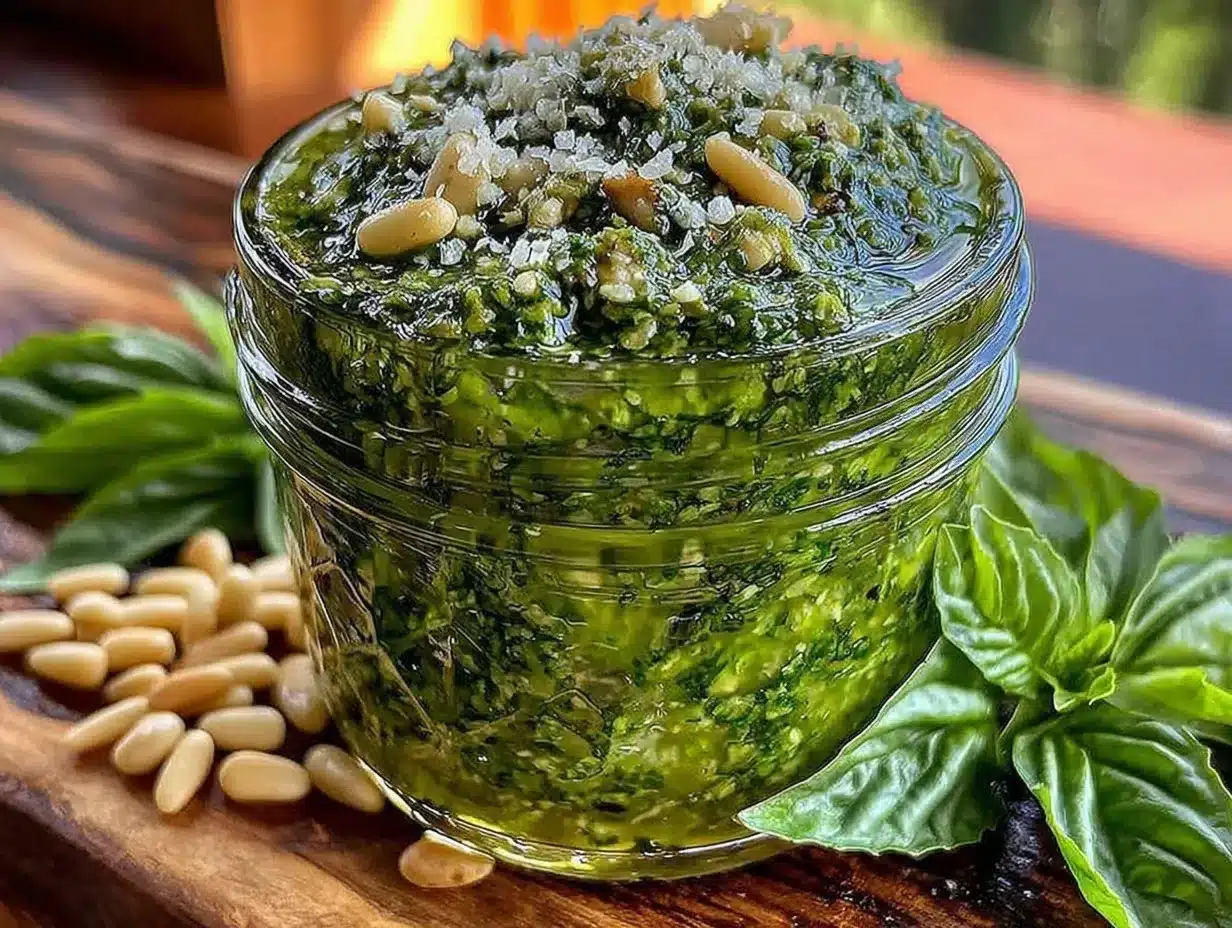
- Toast the Pine Nuts: Place ½ cup (70g) of pine nuts in a dry skillet over medium heat. Stir frequently for 3-5 minutes until lightly golden and aromatic. Watch closely to avoid burning, as pine nuts can turn bitter quickly. Set aside to cool.
- Prepare the Basil: Gently wash about 2 packed cups (50g) of fresh basil leaves and pat dry with a kitchen towel or spin in a salad spinner. Excess moisture will make your pesto watery.
- Blend Nuts First: In your food processor or blender, pulse the cooled pine nuts for about 10-15 seconds until finely chopped but not pasty. This step helps create a creamier texture.
- Add Basil and Garlic: Add the basil leaves and 2 peeled garlic cloves to the processor. Pulse in short bursts until the leaves are roughly chopped and mixed with the nuts.
- Incorporate Cheese and Lemon Juice: Add ½ cup (50g) finely grated Parmesan cheese and 1 tablespoon fresh lemon juice. Pulse a few times just to combine.
- Slowly Add Olive Oil: With the processor running on low speed, slowly drizzle in ⅓ cup (80ml) extra virgin olive oil. Stop to scrape down the sides with a spatula if needed. Continue until the pesto reaches a smooth but slightly textured consistency.
- Season to Taste: Add about ½ teaspoon salt and a pinch of freshly ground black pepper. Pulse once or twice more, then taste and adjust seasoning as desired.
- Portion and Freeze: Spoon the pesto into an ice cube tray or small freezer-safe containers in tablespoon-sized portions. Cover tightly and freeze for at least 4 hours. Once frozen, transfer pesto cubes to a labeled freezer bag to save space.
Preparation notes: If your pesto seems too thick, add a splash of olive oil or water to loosen it. If it’s too thin, add a bit more cheese or nuts for body. The fresh lemon juice is subtle but crucial to keep the green color vibrant and the flavor balanced.
Cooking Tips & Techniques
Making pesto might seem straightforward, but a few little details make all the difference between a “meh” batch and one that’s downright irresistible. Here are some tips I’ve gathered over the years:
- Don’t Over-Process: Pesto should have a bit of texture, not turn into a green paste. Pulse in short bursts and check frequently.
- Toast Nuts Lightly: This develops flavor without bitterness. I learned the hard way when I burnt a batch and had to start over.
- Use Fresh Basil: Basil oxidizes quickly, so wash and dry it gently. Using a salad spinner is a lifesaver to keep leaves dry.
- Add Oil Slowly: Drizzle olive oil while blending to create an emulsion that’s smooth and silky.
- Freeze in Small Portions: This is a game-changer for freshness and convenience. No need to thaw an entire batch when you just want a spoonful for pasta.
- Thaw Gently: Defrost pesto cubes in the refrigerator or stir directly into hot dishes to keep that fresh flavor.
I once rushed through the toasting step and ended up with a bitter pesto that no one wanted to eat. Lesson learned! Patience with each step really pays off, and freezing pesto properly means you’ll always have that fresh taste ready to go. When dinner is hectic, grabbing a frozen cube of pesto feels like a little kitchen victory.
Variations & Adaptations
This fresh homemade basil pesto freezer-friendly recipe is a foundation that you can tweak to suit your taste or dietary needs. Here are a few variations I’ve enjoyed:
- Nut-Free Version: Swap pine nuts for toasted sunflower seeds or pumpkin seeds to keep it allergy-friendly without losing the crunch.
- Dairy-Free Pesto: Omit Parmesan and add 2 tablespoons of nutritional yeast for that cheesy umami flavor. Use extra olive oil for a smoother texture.
- Herb Mix: Try combining basil with fresh parsley or mint for a bright twist—great on grilled fish or chicken.
- Spicy Kick: Add a pinch of red pepper flakes or a small fresh chili for a heat boost that wakes up pasta dishes.
- Winter Adaptation: If fresh basil isn’t available, use frozen basil (thawed and drained), though the flavor will be milder. You can also add a little more garlic and lemon juice to brighten it up.
One personal favorite is adding a handful of arugula to the basil before blending. The peppery note pairs wonderfully with creamy mozzarella and crusty bread. If you’re interested in creamy, lemony pasta dishes, check out my fresh lemon asparagus pasta recipe for a delicious pairing.
Serving & Storage Suggestions
Fresh homemade basil pesto is delicious served immediately or straight from the freezer. Here are some ideas on how to enjoy and keep it at its best:
- Serving Temperature: Pesto is best served at room temperature or gently warmed. If frozen, let it thaw in the fridge overnight or stir a frozen cube directly into hot pasta or soup.
- Presentation: A spoonful swirled over grilled vegetables, pasta, or chicken adds a pop of vibrant green and fresh flavor.
- Storage: Fresh pesto lasts about 5 days in the refrigerator when stored in an airtight container with a thin layer of olive oil on top to prevent browning.
- Freezing: Freeze pesto in small portions for up to 3 months. Keep pesto cubes in a labeled freezer bag to save space and avoid freezer burn.
- Reheating: Avoid microwaving pesto; instead, stir frozen pesto directly into hot dishes or let thaw slowly to preserve flavor and texture.
Flavors deepen and mellow a bit after freezing, but that fresh basil brightness still shines through. If you enjoy making comforting, herbaceous sauces, you might also appreciate the simplicity of my easy honey mustard baked chicken thighs, which pair beautifully with pesto on the side.
Nutritional Information & Benefits
A tablespoon (about 15g) of this homemade basil pesto provides roughly:
| Calories | 80-90 kcal |
|---|---|
| Fat | 8g (mostly healthy monounsaturated fats from olive oil and pine nuts) |
| Protein | 2g (from Parmesan and nuts) |
| Carbohydrates | 1-2g (mostly fiber) |
Basil is packed with antioxidants and vitamins A, K, and C, which support immune health. Olive oil contributes heart-healthy fats, while pine nuts add a dose of magnesium and vitamin E. This pesto fits well into gluten-free and low-carb diets, making it a nutritious choice for many. Just note the Parmesan contains dairy, and pine nuts are a tree nut allergen.
From a wellness perspective, I love pesto because it’s a way to add fresh herbs and healthy fats to meals without complicated steps or processed ingredients. It’s a small daily ritual that feels good both to make and to eat.
Conclusion
This fresh homemade basil pesto freezer-friendly recipe is one of those simple kitchen treasures that makes cooking feel both easy and special. It’s the kind of recipe you can trust to brighten weeknight dinners or add a touch of homemade magic to weekend meals without extra stress. I’ve come to rely on it for its vibrant flavor and the quiet comfort it brings—especially knowing a frozen cube is always waiting in my freezer.
Feel free to tailor this pesto to your taste or dietary needs, experimenting with nuts, herbs, or spice levels. The important part is keeping basil as the star—the fresh, green soul of this sauce. If you try it out, I’d love to hear how you enjoy your pesto, whether tossed on pasta, spread on crispy garlic herb pull-apart bread, or mixed into a summer salad dressing.
Cooking is personal, and this pesto recipe has quietly found a place in my kitchen routine. Maybe it will in yours too.
Frequently Asked Questions About Fresh Homemade Basil Pesto
Can I use other nuts instead of pine nuts?
Absolutely! Walnuts, almonds, or even cashews can be toasted and used instead. Each nut brings a slightly different flavor and texture but works well.
How long does homemade pesto last in the freezer?
Stored in airtight containers or freezer bags, pesto keeps well for up to 3 months without a major loss in flavor.
Can I make pesto without cheese?
Yes, simply omit the Parmesan and add nutritional yeast or extra nuts for richness if desired, making it dairy-free.
What’s the best way to thaw frozen pesto?
Thaw overnight in the refrigerator or stir frozen cubes directly into hot pasta or soups for quick use.
Can I double or triple this recipe?
Definitely! Just be sure not to overload your food processor and blend in batches if necessary for best texture.
Pin This Recipe!
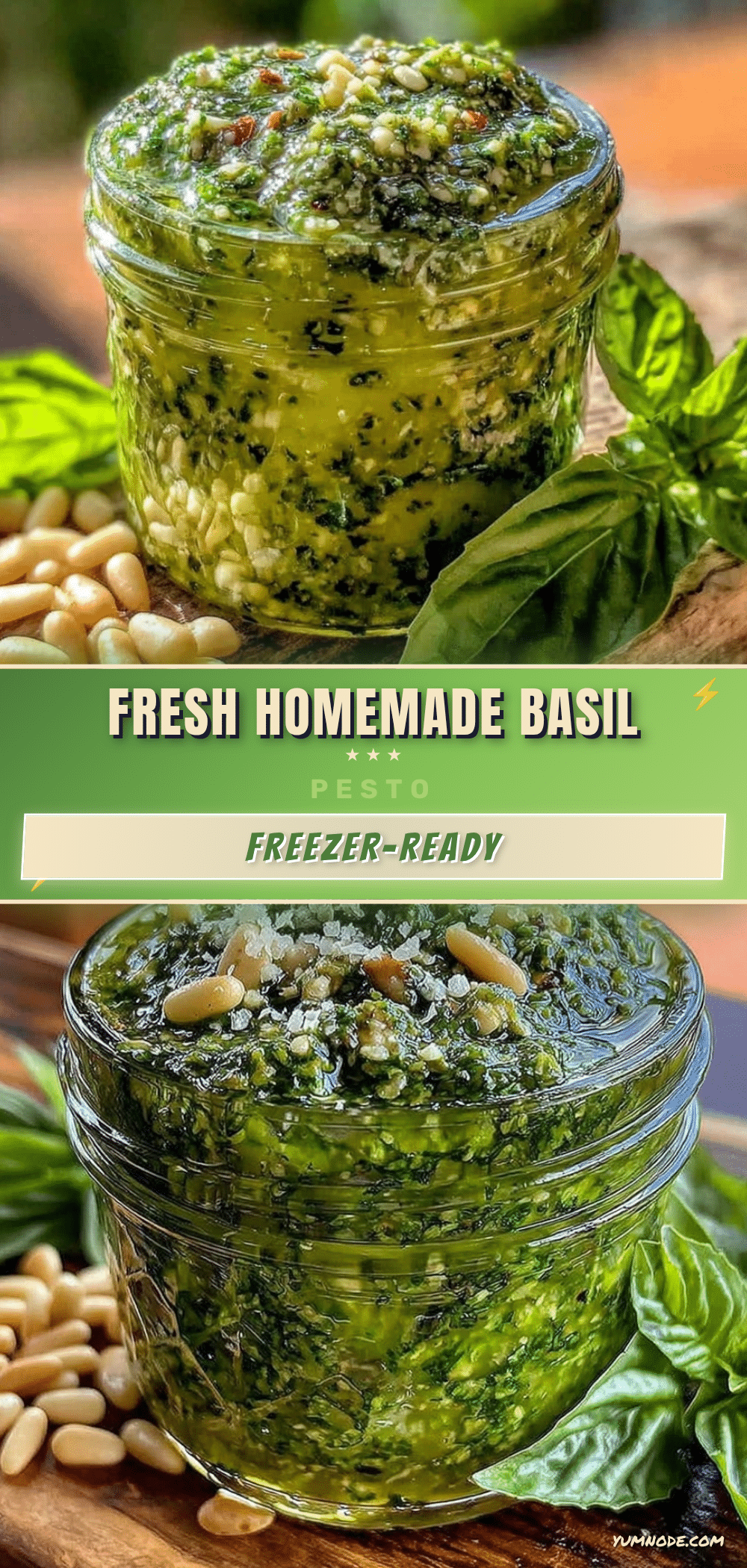
Fresh Homemade Basil Pesto Recipe Easy Freezer-Friendly Steps
A quick and easy homemade basil pesto recipe that is freezer-friendly, preserving fresh flavor and perfect for versatile meals.
- Prep Time: 10 minutes
- Cook Time: 5 minutes
- Total Time: 15 minutes
- Yield: About 1 cup pesto (approximately 10 tablespoons) 1x
- Category: Sauce
- Cuisine: Italian
Ingredients
- 2 packed cups fresh basil leaves (about 50g or 1.75 oz), washed and dried
- ½ cup pine nuts (70g or 2.5 oz), lightly toasted
- ½ cup Parmesan cheese (50g or 1.75 oz), finely grated
- 2 medium garlic cloves, peeled
- ⅓ cup extra virgin olive oil (80ml or 2.7 fl oz)
- 1 tablespoon fresh lemon juice
- ½ teaspoon kosher salt, or to taste
- Pinch of freshly ground black pepper (optional)
Instructions
- Toast the pine nuts in a dry skillet over medium heat for 3-5 minutes until lightly golden and aromatic. Stir frequently and watch closely to avoid burning. Set aside to cool.
- Wash and dry about 2 packed cups of fresh basil leaves thoroughly.
- Pulse the cooled pine nuts in a food processor or blender for 10-15 seconds until finely chopped but not pasty.
- Add basil leaves and garlic cloves to the processor and pulse in short bursts until roughly chopped and mixed with the nuts.
- Add grated Parmesan cheese and fresh lemon juice, pulsing a few times to combine.
- With the processor running on low speed, slowly drizzle in the extra virgin olive oil. Scrape down the sides with a spatula if needed. Continue until the pesto is smooth but slightly textured.
- Add salt and black pepper, pulse once or twice more, then taste and adjust seasoning as desired.
- Spoon pesto into tablespoon-sized portions in an ice cube tray or small freezer-safe containers. Cover tightly and freeze for at least 4 hours.
- Once frozen, transfer pesto cubes to a labeled freezer bag for storage.
Notes
Pulse ingredients in short bursts to avoid over-processing and maintain texture. Toast pine nuts lightly to avoid bitterness. Freeze pesto in small portions for convenience. Thaw pesto overnight in the refrigerator or stir frozen cubes directly into hot dishes. For dairy-free version, omit Parmesan and add nutritional yeast. Pine nuts can be substituted with walnuts or almonds.
Nutrition
- Serving Size: 1 tablespoon (about
- Calories: 85
- Sugar: 0.2
- Sodium: 150
- Fat: 8
- Saturated Fat: 1
- Carbohydrates: 2
- Fiber: 1
- Protein: 2
Keywords: basil pesto, homemade pesto, freezer-friendly pesto, basil sauce, easy pesto recipe, Italian sauce, fresh basil, pine nuts, Parmesan, garlic, olive oil