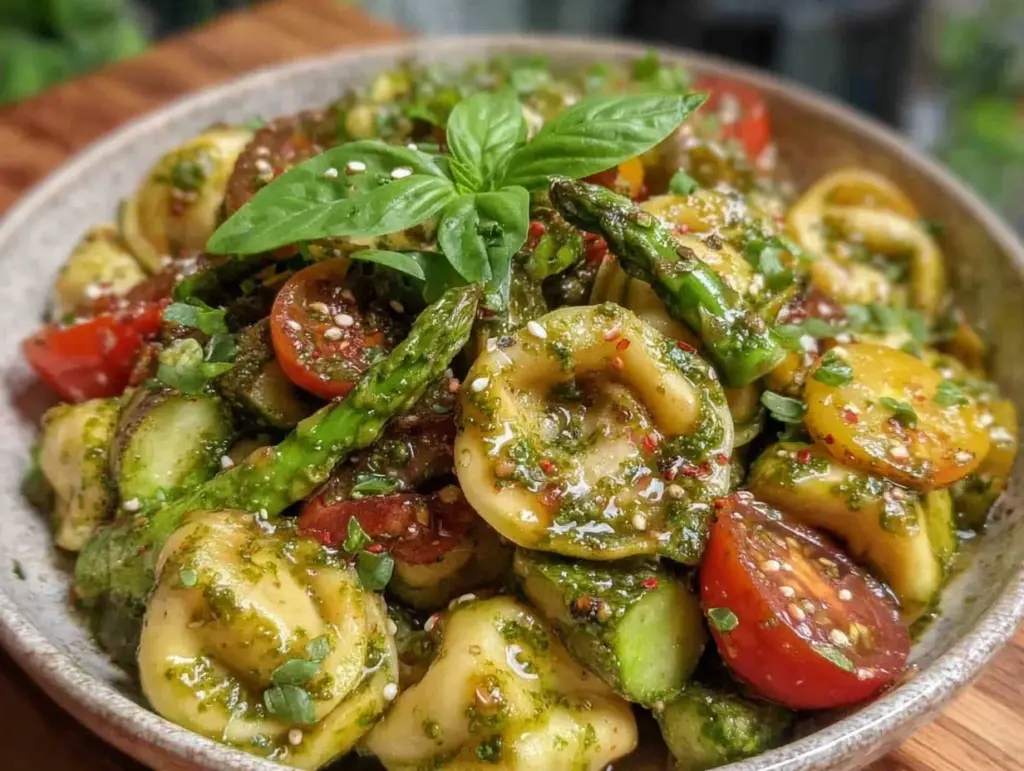
“Hey, what do you have for dinner tonight?” my friend texted just as I was about to shut my laptop after a long day. Honestly, I was running on fumes and wasn’t exactly in the mood to cook. But then I glanced at the fridge—some tortellini leftover from the weekend, a bunch of fresh veggies wilting a bit, and a jar of pesto quietly waiting. I tossed together what I thought would be just a quick fix, expecting a bland plate that would tide me over. Instead, it turned into this vibrant, fresh pesto tortellini primavera with vibrant vegetables that I couldn’t stop eating all evening.
There’s something about the way the bright green pesto clings to those soft little parcels of cheese-filled pasta, mingling with the crisp-tender veggies—it’s like a burst of spring in a bowl, even if spring felt miles away that day. I’ve since made this recipe multiple times, sometimes swapping out veggies based on what I have on hand or how much time I can spare. It’s that kind of dish that’s flexible but never boring.
What really sticks with me is how this fresh pesto tortellini primavera isn’t just easy—it’s comforting in a way that feels personal, like a friend showing up with exactly what you need. So, as you read on, you’ll find out why this recipe has become my go-to for those nights when I want something quick but still special, and why it might just become yours too.
Why You’ll Love This Fresh Pesto Tortellini Primavera Recipe
After testing this recipe over several weeks, I can say it’s one of those rare dishes that nails the balance between quick prep and restaurant-quality flavor. Here’s why it stands out:
- Quick & Easy: Ready in under 30 minutes, which makes it perfect for busy weeknights or when you’re craving something fresh but don’t want to spend hours in the kitchen.
- Simple Ingredients: No need for specialty markets or exotic items—you probably have most of these in your pantry or fridge already.
- Perfect for Spring & Summer: The vibrant vegetables and fresh pesto make it feel light and seasonal, ideal for warmer days or when you want a break from heavy meals.
- Crowd-Pleaser: Family and friends have repeatedly asked me to bring this to potlucks because it’s colorful, flavorful, and satisfying.
- Unbelievably Delicious: The fresh pesto’s herbaceous punch combined with the creamy tortellini and crisp veggies delivers a comforting yet exciting flavor profile.
What sets this version apart is the way I toss the vegetables just enough to stay crisp but tender, keeping that fresh bite you want in primavera dishes. Also, blending fresh basil, garlic, and pine nuts in the pesto rather than relying on store-bought gives it a homemade touch that makes all the difference. Honestly, it’s the kind of meal that makes you close your eyes after the first bite, savoring the harmony of flavors.
This pasta isn’t just food; it’s a little moment of joy in a bowl—great for impressing guests without stress or turning a simple dinner into something memorable. If you like vibrant, fresh pasta dishes, this one’s a keeper.
What Ingredients You Will Need for Fresh Pesto Tortellini Primavera
This recipe uses simple, wholesome ingredients to deliver bold flavor and satisfying texture without the fuss. Most are pantry staples or common fresh produce, and the flexibility means you can swap veggies depending on the season or your mood.
- Cheese Tortellini: About 12 oz (340 g) fresh or refrigerated tortellini. I prefer De Cecco for the perfect bite and texture.
- Fresh Basil: 2 cups packed leaves for the pesto (about 50 g), washed and dried.
- Pine Nuts: 1/4 cup (30 g), lightly toasted to enhance nuttiness.
- Garlic: 2 cloves, minced, for that signature pesto zing.
- Parmesan Cheese: 1/2 cup (50 g), freshly grated, adds depth and creaminess.
- Extra Virgin Olive Oil: 1/3 cup (80 ml), smooth and fruity—use your favorite brand for the best flavor.
- Vegetables:
- 1 cup (150 g) cherry tomatoes, halved (choose ripe, firm ones)
- 1 cup (130 g) asparagus tips, trimmed and cut into 1-inch pieces
- 1 medium zucchini, sliced into half-moons (about 150 g)
- 1/2 cup (75 g) frozen peas, thawed
- 1 small red bell pepper, diced (adds sweetness and color)
- Lemon: Juice of half a lemon, to brighten the whole dish.
- Salt and Pepper: To taste, balancing all those fresh flavors.
- Optional: A pinch of crushed red pepper flakes for a subtle kick.
If you’re after a gluten-free twist, try swapping the tortellini for a gluten-free pasta option or use almond flour-based tortellini if available. For a dairy-free version, omit the parmesan or replace it with nutritional yeast, and use a dairy-free pesto alternative or make your own with a little extra olive oil.
Equipment Needed
- Large Pot: For boiling the tortellini. A heavy-bottomed pot works best to keep the water at a rolling boil.
- Large Skillet or Sauté Pan: To quickly cook the vegetables and toss everything together.
- Food Processor or Blender: Essential for making the fresh pesto. I’ve found that a small to medium food processor like the Cuisinart Mini-Prep works perfectly for pesto quantities.
- Measuring Cups and Spoons: For accurate ingredient amounts.
- Wooden Spoon or Silicone Spatula: Handy for stirring the pasta and veggies without scratching your pans.
- Colander: To drain the pasta.
If you don’t have a food processor, you can finely chop the basil, garlic, and nuts by hand, then whisk in the olive oil and parmesan for a rustic pesto. Also, a garlic press can speed up mincing garlic if you’re pressed for time. Keeping your knives sharp makes slicing the veggies easier and safer, especially when working with zucchini and bell peppers.
Preparation Method for Fresh Pesto Tortellini Primavera
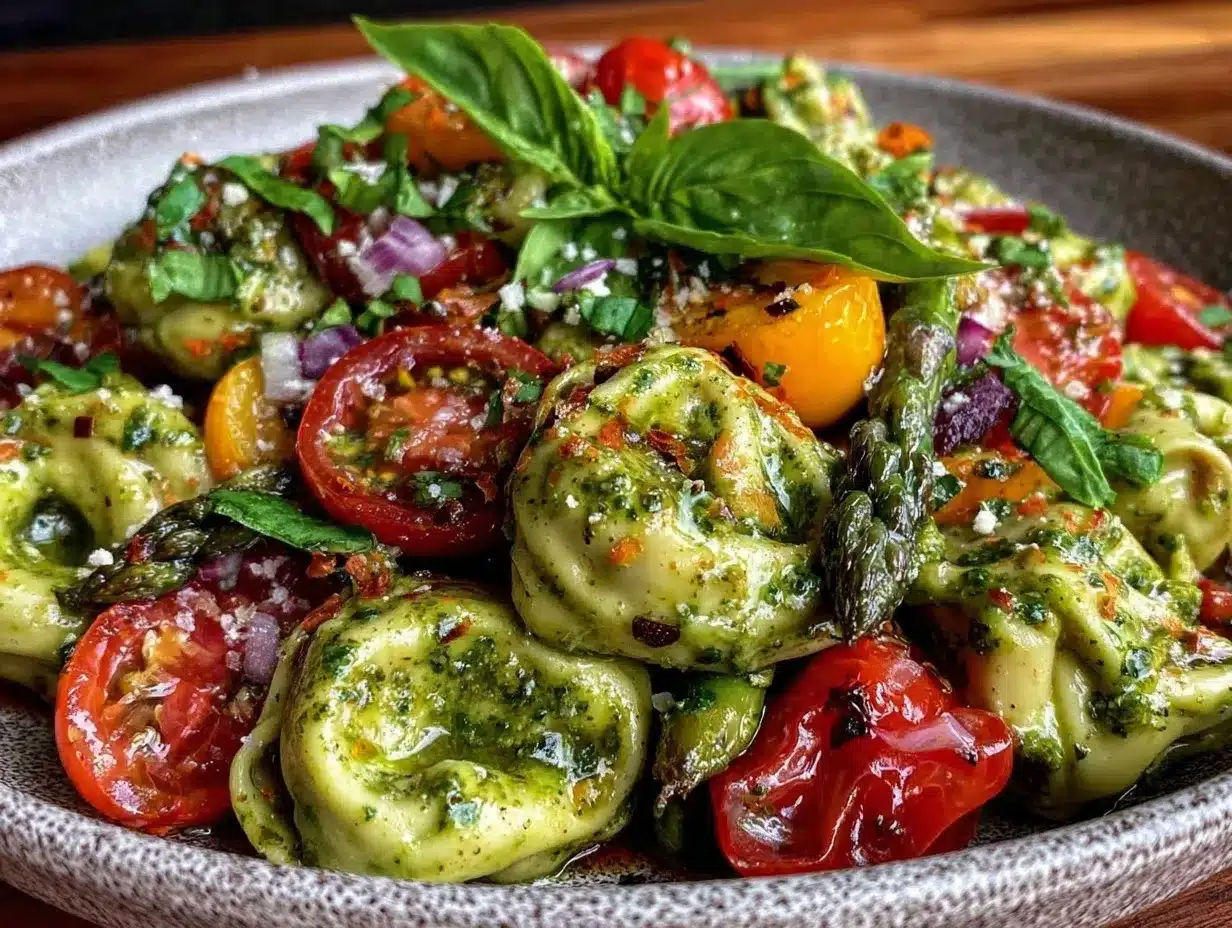
- Make the Pesto (about 10 minutes): In your food processor, combine the fresh basil leaves, toasted pine nuts, minced garlic, and grated parmesan. Pulse a few times to break down the ingredients. While the processor runs, slowly drizzle in the extra virgin olive oil until the mixture becomes a smooth, vibrant sauce. Scrape down the sides as needed. Season lightly with salt and set aside.
- Prepare the Vegetables (5-7 minutes): Wash and cut the asparagus into 1-inch pieces, halve the cherry tomatoes, slice the zucchini into half-moons, dice the red bell pepper, and thaw the peas. Having everything prepped before you start cooking keeps things moving smoothly.
- Cook the Tortellini (5-7 minutes): Bring a large pot of salted water to a rolling boil. Add the tortellini and cook according to package instructions, usually 3-5 minutes for fresh tortellini. The pasta should be tender but still have a bit of bite (al dente). Drain, reserving about 1/2 cup (120 ml) of the pasta water.
- Sauté the Vegetables (5 minutes): Heat a tablespoon of olive oil in a large skillet over medium-high heat. Toss in the asparagus, zucchini, and bell pepper first. Stir occasionally, cooking until they’re just tender but still crisp—about 3 minutes. Add the cherry tomatoes and peas, cooking for another 2 minutes until warmed through but not mushy.
- Combine Pasta and Veggies (2-3 minutes): Add the drained tortellini to the skillet with the vegetables. Pour in the prepared pesto and lemon juice. Toss everything gently but thoroughly to coat the pasta and vegetables in the pesto sauce. If the mixture seems dry, add reserved pasta water a tablespoon at a time until you get a silky consistency.
- Season and Serve: Taste and adjust with salt, pepper, and optional crushed red pepper flakes. Serve immediately, garnished with extra parmesan or fresh basil leaves if desired.
Keep an eye on the veggies while sautéing—they should retain a bit of crunch and vibrant color, not become soggy. If you’re short on time, steam the tougher veggies like asparagus for a minute before sautéing to speed things up. Also, tossing the pasta in the skillet rather than a bowl helps the pesto cling better, creating that satisfying coating you want in primavera dishes.
Cooking Tips & Techniques for the Best Pesto Tortellini Primavera
Here are a few tricks I’ve picked up that make this dish shine every time:
- Toast Your Pine Nuts: It’s a small step but toasting the nuts in a dry skillet brings out a deeper, nuttier flavor that really lifts the pesto.
- Don’t Overcook the Vegetables: Primavera means spring-like freshness, so keep the veggies crisp-tender by sautéing on medium-high heat and watching the clock. Overcooked veggies lose their color and snap.
- Reserve Pasta Water: That starchy water is gold for adjusting sauce consistency. Add a little at a time to loosen the pesto and help it bind to the pasta.
- Make Pesto Ahead: Pesto can be made up to 3 days ahead and stored in an airtight container with a thin layer of olive oil on top to keep the basil bright.
- Freshness Matters: Use fresh basil and good-quality olive oil. I once made this with supermarket basil that was a bit wilted, and the flavor was noticeably dull. It’s worth the extra effort to find fresh herbs.
- Multi-task: While the pasta cooks, prep and sauté your vegetables. This saves time and keeps everything hot and fresh when it hits the plate.
- Personalize the Heat: If you like a little spice, add crushed red pepper flakes either into the pesto or sprinkle on top just before serving.
One time, I forgot to salt the pasta water and the whole dish felt flat, so never skip that step! It’s amazing how something so simple can make such a difference. And if you want to try a different twist, tossing the pasta with a splash of heavy cream before adding pesto adds a luscious, creamy texture that’s hard to resist.
Variations & Adaptations for Fresh Pesto Tortellini Primavera
This dish is wonderfully flexible and adapts well based on what you have, your dietary needs, or season:
- Vegetarian to Vegan: Omit parmesan or use a vegan cheese alternative and swap traditional pesto for a dairy-free version made without cheese.
- Seasonal Veggie Swap: In fall or winter, swap asparagus and zucchini for roasted butternut squash and kale. In spring, add peas and snap peas for a sweeter bite.
- Protein Boost: Add grilled chicken, sautéed shrimp, or crispy tofu cubes for a heartier meal.
- Gluten-Free Option: Use gluten-free tortellini or substitute with gluten-free pasta shapes like penne or fusilli.
- Herb Variations: Try swapping basil with arugula or spinach in the pesto for a peppery or milder flavor.
One of my favorite adaptations was adding a handful of toasted walnuts to the pesto instead of pine nuts, which gave it a richer, earthier twist. It was a happy accident when I ran out of pine nuts but ended up liking the flavor better this way. Also, if you’re curious about a richer take, mixing in a bit of ricotta right before serving creates a creamy, dreamy texture that’s just divine.
Serving & Storage Suggestions
Serve this fresh pesto tortellini primavera warm, ideally straight from the skillet to keep the vegetables crisp and pasta tender. A sprinkle of freshly grated parmesan and a few basil leaves on top add a lovely finishing touch and boost the aroma.
This pasta pairs beautifully with a crisp white wine or a light sparkling water infused with citrus—perfect for a casual dinner or a small gathering. For a full meal, consider serving it alongside a fresh green salad or a simple garlic bread like the crispy garlic herb pull-apart bread that complements the herbaceous pesto notes.
Leftovers store well in the refrigerator for up to 3 days in an airtight container. When reheating, add a splash of water or olive oil to loosen the sauce and prevent the pasta from drying out. A quick toss in a skillet over medium heat works better than microwaving, preserving the texture of the veggies and pasta.
Interestingly, the flavors mellow and meld after a day, making the leftovers even tastier—if you can wait that long! This makes it a great make-ahead dinner or lunch option for busy days.
Nutritional Information & Benefits
This fresh pesto tortellini primavera is not only a treat for your taste buds but also packs nutritional benefits. A serving (about 1.5 cups) provides roughly:
| Nutrient | Amount |
|---|---|
| Calories | 420 |
| Protein | 18 g |
| Fat | 18 g (mostly healthy fats from olive oil and pine nuts) |
| Carbohydrates | 45 g |
| Fiber | 5 g |
The fresh basil and veggies contribute antioxidants and vitamins A and C, while pine nuts offer heart-healthy fats and minerals like magnesium. Using whole or fresh tortellini adds some protein and calcium from the cheese filling. This meal fits well into balanced diets and can be adapted for gluten-free or dairy-free needs.
Personally, this recipe feels like a wholesome, satisfying option that doesn’t skimp on flavor or freshness, making it a go-to when I want something both nourishing and delicious without fuss.
Conclusion
Fresh pesto tortellini primavera with vibrant vegetables is one of those rare recipes that feels both effortless and special. It’s quick enough for weeknights but impressive enough for unexpected guests. The bright colors, fresh herbaceous pesto, and tender pasta come together in a way that makes you feel good about what you’re eating.
Feel free to customize it based on what’s in your fridge or what you’re craving—there’s plenty of room to make this dish your own. I love this recipe because it’s a little moment of fresh, flavorful calm after a hectic day, and I hope it brings that same comfort to your table.
If you try this recipe, I’d love to hear how you made it your own or what veggie swaps you made. Sharing your twists only makes the magic of this dish more fun!
Frequently Asked Questions About Fresh Pesto Tortellini Primavera
Can I use store-bought pesto instead of making it fresh?
Yes, but fresh pesto has a brighter flavor and better texture. If using store-bought, choose a high-quality brand and consider adding a squeeze of lemon juice to brighten it up.
How do I keep the vegetables crisp and not mushy?
Sauté veggies on medium-high heat just until tender-crisp—usually 3-5 minutes depending on the vegetable. Avoid overcooking and add quick-cooking veggies like peas last.
Can I prepare this dish in advance?
You can make the pesto ahead and store it refrigerated up to 3 days. Cook the pasta and veggies fresh for best texture, but leftovers of the combined dish keep well for 2-3 days.
What are good substitutions for pine nuts?
Toasted walnuts, almonds, or cashews work well. Each gives a slightly different flavor, but all add nice nuttiness to the pesto.
Is this recipe suitable for a gluten-free diet?
Yes, simply swap the tortellini for a gluten-free pasta or gluten-free tortellini. Make sure all other ingredients, especially pesto components, are gluten-free too.
Pin This Recipe!
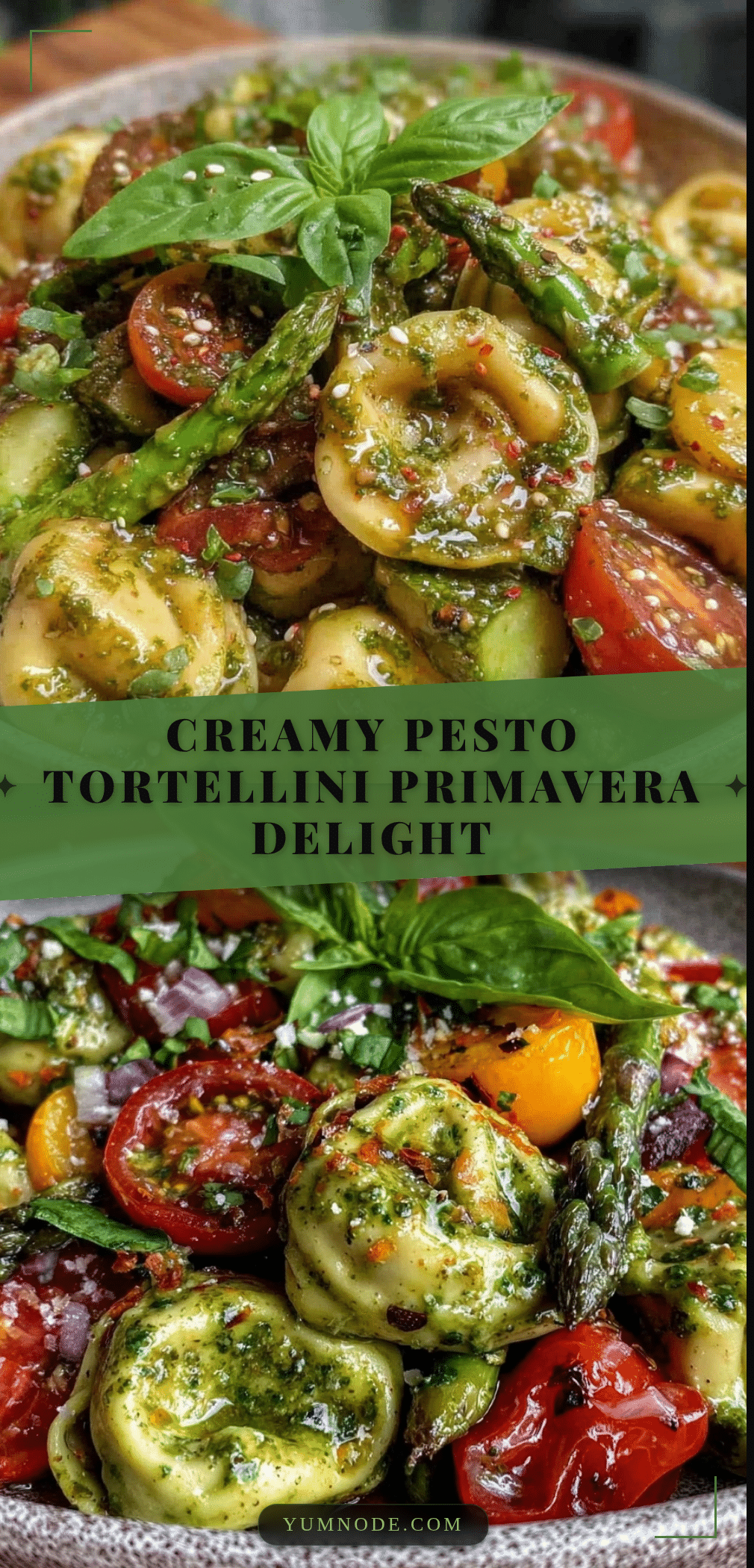
Fresh Pesto Tortellini Primavera

A quick and vibrant vegetable pasta dish featuring fresh homemade pesto, tender cheese tortellini, and crisp-tender spring vegetables. Perfect for a light, flavorful meal in under 30 minutes.
- Prep Time: 15 minutes
- Cook Time: 15 minutes
- Total Time: 30 minutes
- Yield: 4 servings 1x
- Category: Main Course
- Cuisine: Italian
Ingredients
- 12 oz fresh or refrigerated cheese tortellini
- 2 cups packed fresh basil leaves (about 50 g), washed and dried
- 1/4 cup pine nuts (30 g), lightly toasted
- 2 cloves garlic, minced
- 1/2 cup freshly grated Parmesan cheese (50 g)
- 1/3 cup extra virgin olive oil (80 ml)
- 1 cup cherry tomatoes (150 g), halved
- 1 cup asparagus tips (130 g), trimmed and cut into 1-inch pieces
- 1 medium zucchini (about 150 g), sliced into half-moons
- 1/2 cup frozen peas (75 g), thawed
- 1 small red bell pepper, diced
- Juice of half a lemon
- Salt and pepper to taste
- Optional: pinch of crushed red pepper flakes
Instructions
- Make the pesto: In a food processor, combine basil leaves, toasted pine nuts, minced garlic, and grated Parmesan. Pulse to break down ingredients. While processing, slowly drizzle in olive oil until smooth. Season lightly with salt and set aside.
- Prepare the vegetables: Wash and cut asparagus into 1-inch pieces, halve cherry tomatoes, slice zucchini into half-moons, dice red bell pepper, and thaw peas.
- Cook the tortellini: Bring a large pot of salted water to a rolling boil. Add tortellini and cook 3-5 minutes until al dente. Drain, reserving 1/2 cup pasta water.
- Sauté the vegetables: Heat 1 tablespoon olive oil in a large skillet over medium-high heat. Add asparagus, zucchini, and bell pepper; cook about 3 minutes until tender-crisp. Add cherry tomatoes and peas; cook 2 more minutes until warmed through.
- Combine pasta and veggies: Add drained tortellini to skillet with vegetables. Pour in pesto and lemon juice. Toss gently to coat. Add reserved pasta water a tablespoon at a time if mixture seems dry.
- Season and serve: Adjust salt, pepper, and optional crushed red pepper flakes. Serve immediately, garnished with extra Parmesan or fresh basil if desired.
Notes
Toast pine nuts to enhance flavor. Avoid overcooking vegetables to keep them crisp-tender. Reserve pasta water to adjust sauce consistency. Pesto can be made up to 3 days ahead and stored with a thin layer of olive oil on top. For gluten-free, swap tortellini with gluten-free pasta. For dairy-free, omit Parmesan or use nutritional yeast and dairy-free pesto.
Nutrition
- Serving Size: About 1.5 cups
- Calories: 420
- Fat: 18
- Carbohydrates: 45
- Fiber: 5
- Protein: 18
Keywords: pesto, tortellini, primavera, vegetable pasta, fresh basil, quick dinner, easy pasta, spring recipe, vegetarian