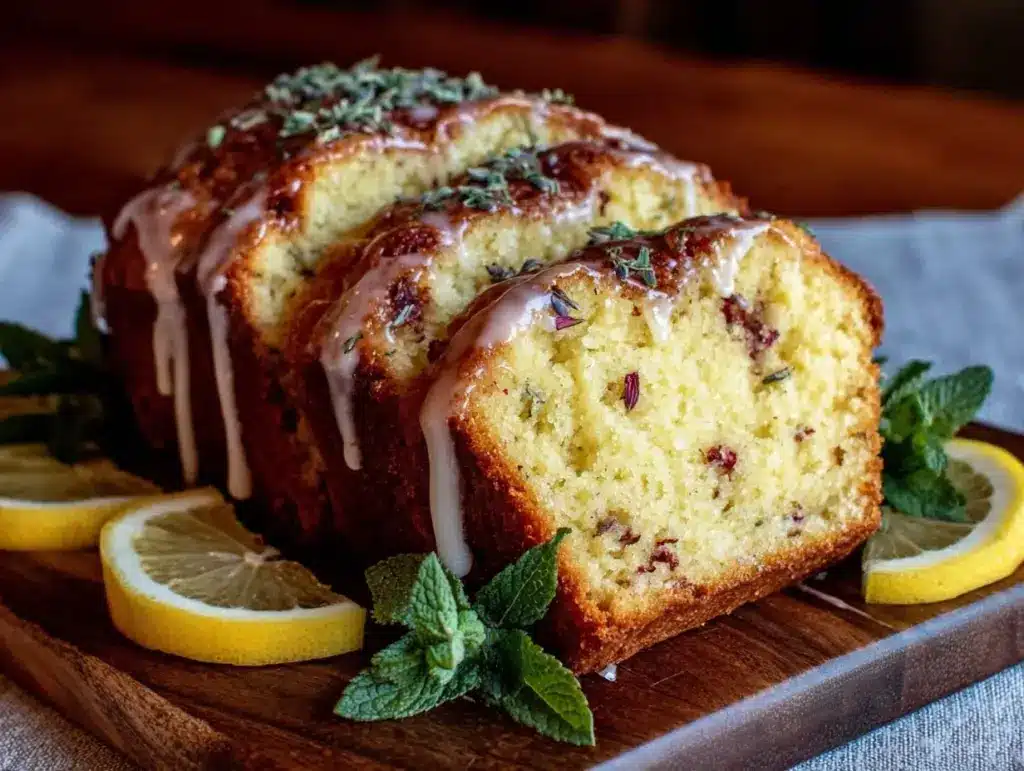
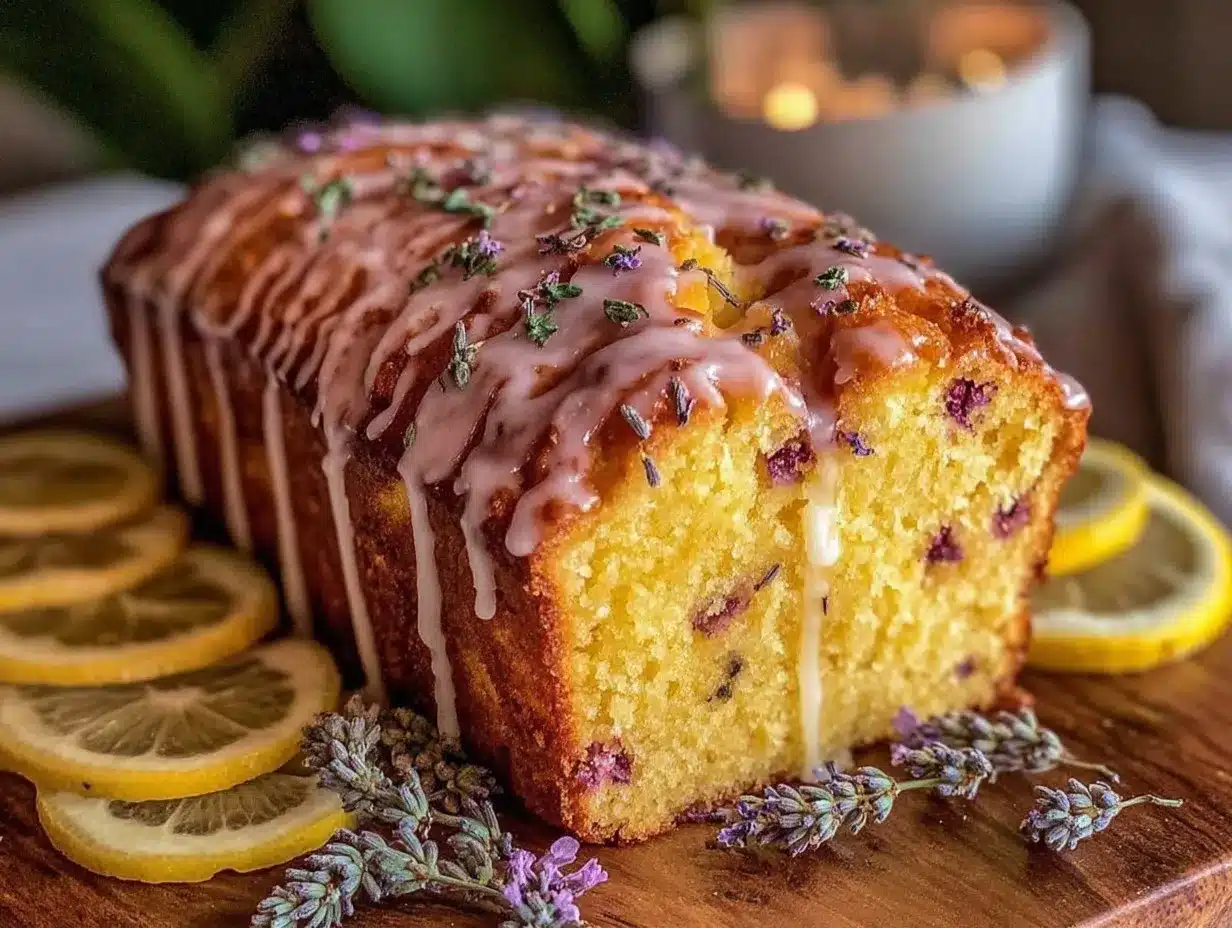
The scent of fresh lemon mingled with delicate lavender wafting through the kitchen instantly takes me to a sunny spring afternoon in my grandmother’s garden. Honestly, that’s where my love affair with this irresistible lemon lavender pound cake began. I first whipped up this cake on a whim, hoping to surprise my family with something a little different yet comforting. What I didn’t expect was how quickly it vanished from the plate—each bite bursting with bright citrus and floral notes, perfectly balanced with a tender crumb. If you’re anything like me, you’ll find this lemon lavender pound cake with glaze to be the kind of treat that turns ordinary moments into something memorable.
This recipe has become a staple in my baking rotation, especially when I need a dessert that feels both elegant and approachable. The tangy lemon zest and subtle lavender aroma combine beautifully, making it a crowd-pleaser for afternoon teas, brunches, or even a simple weekend indulgence. Plus, it’s not just about flavor; the texture is moist and rich without being heavy. As someone who’s baked this pound cake countless times, I’m excited to share it with you—because good recipes like this deserve to be passed around!
Whether you’re a seasoned baker or just getting started, this lemon lavender pound cake recipe with easy glaze offers a fresh twist on a classic. It’s the perfect balance of floral sweetness and zesty brightness, wrapped up in a buttery, soft cake that’s surprisingly simple to make. So, grab your ingredients and let’s get baking!
Why You’ll Love This Recipe
After baking this lemon lavender pound cake over a dozen times, I can say with confidence that it’s a winner for many reasons. Here’s what makes it stand out:
- Quick & Easy: You can mix this cake in under 20 minutes, making it perfect for those spontaneous baking urges or last-minute gatherings.
- Simple Ingredients: No need to hunt down rare items—most of these are pantry staples with the delightful addition of culinary lavender and fresh lemons.
- Perfect for Special Occasions: Whether it’s a birthday brunch, Mother’s Day, or just a sunny weekend, this cake brings a touch of elegance without the fuss.
- Crowd-Pleaser: Kids, adults, lavender skeptics—you name it, this cake wins over even the pickiest eaters.
- Unbelievably Delicious: The glaze seals in moisture and adds a sweet tang that makes each slice a little slice of heaven.
This isn’t your typical pound cake. The secret? I blend the lavender into the batter just right to avoid overpowering that lovely lemon brightness. Plus, the glaze is easy to pour on and gives the cake a glossy finish that’s as pretty as it is tasty. Every time I make this, friends ask for the recipe, so I know it’s something special. If you want a cake that’s both comforting and a little fancy, this lemon lavender pound cake with glaze is your go-to.
What Ingredients You Will Need
To pull off this lemon lavender pound cake, you’ll want to gather a few key ingredients that are straightforward yet pack a flavorful punch. Most are easy to find, and I’ve included a few tips to get the best results.
- Unsalted Butter, softened (I usually go with a trusted brand like Kerrygold for creaminess)
- Granulated Sugar (regular white sugar works perfectly)
- Large Eggs, room temperature (helps the batter come together smoothly)
- All-Purpose Flour (for a tender crumb, sift it before measuring)
- Baking Powder (this gives the cake a gentle lift)
- Salt (just a pinch to balance flavors)
- Culinary Lavender, dried and finely ground (look for food-grade lavender—Lavender by Spice House is my favorite)
- Lemon Zest and Fresh Lemon Juice (from about 2 medium lemons; fresh is always best here)
- Whole Milk or Buttermilk (adds moisture and slight tang; buttermilk gives a subtle richness)
- Powdered Sugar (for the glaze)
- Vanilla Extract (a splash to round out flavors)
If you’re looking for a gluten-free option, swapping all-purpose flour for an almond flour blend works well but expect a slightly denser texture. For dairy-free diets, coconut oil can replace butter, and almond or oat milk works fine instead of cow’s milk. Just keep the lavender measured carefully—too much, and it’s overwhelming; too little, and you miss that floral charm.
Equipment Needed
Here’s the gear I find essential to make this lemon lavender pound cake come out just right:
- 9×5-inch Loaf Pan: This is the classic shape for pound cake. I prefer a non-stick pan, but a well-greased metal pan works too.
- Mixing Bowls: A large one for the batter and a smaller one for the glaze.
- Electric Mixer: Handheld or stand mixer makes creaming butter and sugar a breeze. If you don’t have one, a sturdy whisk and some muscle will do!
- Zester or Microplane: For fresh lemon zest—trust me, the flavor depends on it.
- Measuring Cups & Spoons: Accuracy counts with baking, so having these on hand is a must.
- Spatula: For folding ingredients gently and scraping every last bit of batter.
- Cooling Rack: Letting your cake breathe after baking helps keep that crust perfect.
If you’re on a budget, you can find loaf pans that won’t break the bank at any big-box store, and a simple handheld mixer is often enough for this recipe. Just keep that lemon zest ready—it’s the star of the show!
Detailed Preparation Method
- Preheat your oven to 350°F (175°C). Grease your 9×5-inch loaf pan with butter or non-stick spray and lightly dust with flour. This helps the cake release cleanly after baking. Set aside.
- Cream the butter and sugar: In a large bowl, use an electric mixer on medium speed to beat 1 cup (227g) softened unsalted butter with 1 ½ cups (300g) granulated sugar until it’s light and fluffy—about 4-5 minutes. This step traps air, giving the cake a tender texture.
- Add eggs one at a time: Crack in 4 large eggs, beating well after each addition. If your batter looks like it’s curdling, don’t panic—this is normal and will smooth out once you add the dry ingredients.
- Mix in lemon zest and vanilla: Stir in the zest of 2 lemons and 1 teaspoon vanilla extract. The zest adds that bright citrus punch, while vanilla rounds out the flavor.
- Combine dry ingredients: In a separate bowl, whisk together 2 ½ cups (312g) all-purpose flour, 2 teaspoons baking powder, ½ teaspoon salt, and 1 tablespoon finely ground culinary lavender.
- Alternate adding dry ingredients and milk: With the mixer on low, add the dry ingredients in three parts, alternating with ½ cup (120ml) whole milk or buttermilk, starting and ending with the flour mixture. Mix just until combined—overmixing can make the cake tough.
- Pour in fresh lemon juice: Add ¼ cup (60ml) fresh lemon juice and fold it gently into the batter with a spatula.
- Transfer batter to pan: Scrape the batter into your prepared loaf pan, smoothing the top with a spatula.
- Bake: Place in the oven and bake for 60-70 minutes. Start checking around 55 minutes by inserting a toothpick or skewer into the center. If it comes out clean or with just a few moist crumbs, it’s done. If not, bake a little longer but keep an eye to avoid drying out.
- Cool in pan for 10 minutes: Then transfer the cake to a cooling rack to cool completely. This helps prevent sogginess from trapped steam.
- Prepare the glaze: While the cake cools, whisk together 1 cup (120g) powdered sugar with 2-3 tablespoons fresh lemon juice until smooth and pourable. Adjust consistency as needed with more lemon juice or sugar.
- Glaze the cake: Once the cake is fully cooled, drizzle the glaze evenly over the top. The glaze will set to a shiny, slightly crisp finish that adds a lovely tangy-sweet contrast.
Pro tip: If you’re worried about the lavender flavor, start with 1 teaspoon ground lavender and adjust next time. Too much can make the cake taste soapy. Also, don’t skip the lemon zest—it’s where most of the lemon magic happens!
Cooking Tips & Techniques
Making this lemon lavender pound cake just right is all about a few simple tricks I’ve learned the hard way:
- Room Temperature Ingredients: Butter, eggs, and milk should all be at room temp to mix evenly. Cold ingredients can cause your batter to curdle or mix unevenly.
- Don’t Overmix: Once you add flour, mix only until the ingredients come together. Overmixing develops gluten and makes the cake dense.
- Measuring Flour Correctly: Spoon the flour into your cup and level it off instead of scooping directly. This avoids packing and keeps the cake light.
- Baking Time Variations: Oven temps can vary, so start checking your cake around the 55-minute mark. If the top browns too fast, tent it with foil.
- Lavender Balance: Culinary lavender is potent. Grinding it finely helps distribute flavor evenly. If you’re new to lavender, use less—you can always add more next time.
- Glaze Consistency: The glaze should be pourable but not runny. Add lemon juice slowly and whisk thoroughly to avoid lumps.
Once, I forgot to zest the lemons and only used juice—the cake felt flat. Lesson learned: zest is essential! Also, swapping in buttermilk adds a nice tang but regular milk works just fine if that’s what you have. Lastly, patience is key—let the cake cool fully before glazing or slicing, or the glaze will melt into a sticky mess.
Variations & Adaptations
This lemon lavender pound cake is as versatile as it is delicious. Here are some fun ways to switch it up:
- Herbal Twist: Swap lavender for fresh rosemary or thyme for a savory note that pairs beautifully with lemon.
- Berry Addition: Fold in ½ cup fresh or frozen blueberries or raspberries to the batter for a fruity surprise.
- Gluten-Free: Use a gluten-free flour blend in place of all-purpose flour. The texture will be slightly different but still delightful.
- Dairy-Free: Replace butter with coconut oil and milk with almond or oat milk. The coconut adds a subtle tropical hint.
- Glaze Options: Try a honey-lemon glaze by mixing honey with lemon juice for a natural sweetness alternative.
One of my favorite personal twists is adding a teaspoon of vanilla bean paste along with the vanilla extract for an extra dimension of flavor. Also, baking this cake in a bundt pan gives it a fancier shape and a slightly different crust texture. Feel free to experiment based on what you have and what flavors you crave!
Serving & Storage Suggestions
This lemon lavender pound cake is best served at room temperature, allowing its flavors and texture to shine. Slice it thick for a cozy snack or thin for a light dessert. Pair it with a cup of Earl Grey tea or a glass of chilled white wine for a delightful afternoon treat.
Leftovers? No worries. Wrap the cake tightly in plastic wrap or store it in an airtight container. It keeps well at room temperature for up to 3 days, or refrigerated for about a week. For longer storage, slice and freeze portions in a zip-top bag for up to 3 months. Thaw overnight in the fridge or at room temperature before serving.
The glaze tends to soften over time, so if you prefer a crisp finish, glazing right before serving is a good call. Also, the flavors mellow and deepen after a day, so if you can, let the cake rest wrapped overnight for a more pronounced lemon-lavender harmony.
Nutritional Information & Benefits
Each slice of this lemon lavender pound cake (assuming 12 slices per loaf) contains approximately:
| Calories | 280-320 |
|---|---|
| Fat | 14g (mostly from butter) |
| Carbohydrates | 38g (includes sugar) |
| Protein | 4g |
Key ingredients like lemon provide vitamin C and antioxidants, while lavender is known for its calming properties. Using real butter adds richness and fat-soluble vitamins, though it’s best enjoyed as a treat rather than everyday fare. This recipe is naturally gluten-containing, but can be modified for gluten-free diets (see variations). It’s not dairy-free unless substitutions are made.
From a wellness perspective, baking your own cake means control over ingredients—no preservatives or artificial flavors here. The floral and citrus combo also offers a refreshing alternative to heavy, overly sweet desserts.
Conclusion
If you’re searching for a dessert that’s both simple and sophisticated, this lemon lavender pound cake with easy glaze is a winner you’ll want to make again and again. It’s got that perfect balance of buttery richness, zesty brightness, and a gentle floral note that keeps people coming back for more. I love how it makes even casual get-togethers feel special, and honestly, it’s one of my favorite ways to brighten a day.
Feel free to tweak the lavender amount or try one of the variations to make it your own. I’d love to hear how you customize it or what moments you serve it for—drop a comment below or share your photos! Baking is better when we share, don’t you think? So grab your whisk, invite some friends, and enjoy every luscious bite of this lemon lavender pound cake.
FAQs
Can I use fresh lavender instead of dried culinary lavender?
Fresh lavender can be more potent and watery, so it’s best to use dried culinary lavender that’s ground finely to avoid bitterness or an overpowering taste.
How do I prevent the cake from drying out?
Don’t overbake—start checking with a toothpick at 55 minutes. Also, make sure to cool the cake properly and store it in an airtight container to keep moisture locked in.
Is it okay to substitute the lemon glaze with plain powdered sugar glaze?
Yes, a simple powdered sugar glaze made with water or milk works fine but lacks the tangy brightness lemon juice adds. The lemon glaze complements the cake’s flavor beautifully.
Can I make this cake ahead of time?
Absolutely! The flavors improve after resting overnight. Just glaze it the day you plan to serve for the best texture.
What’s the best way to grind dried lavender?
Use a spice grinder or mortar and pestle to finely grind the dried lavender buds. This helps distribute the flavor evenly without big, crunchy pieces.
Pin This Recipe!
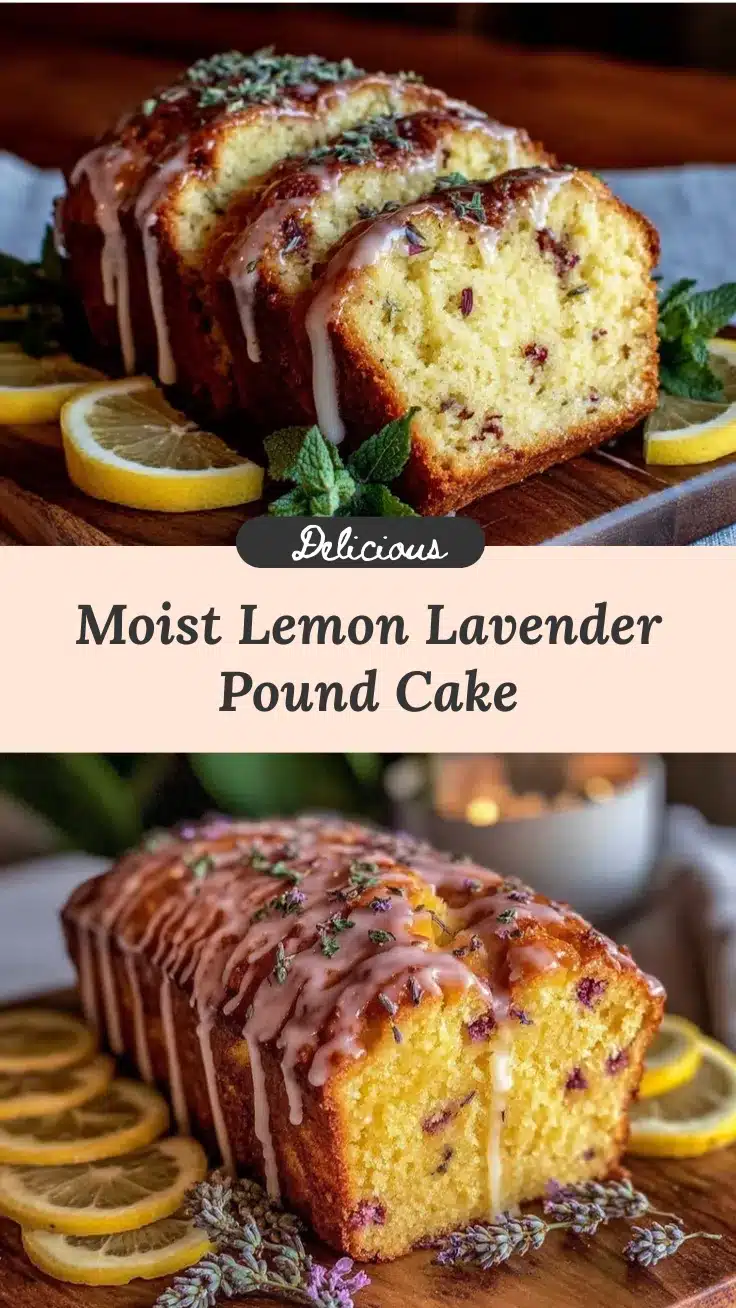
Irresistible Lemon Lavender Pound Cake Recipe with Easy Glaze

A moist and tender lemon lavender pound cake with a bright citrus and floral flavor, topped with a tangy lemon glaze. Perfect for special occasions or a simple weekend treat.
- Prep Time: 20 minutes
- Cook Time: 60-70 minutes
- Total Time: 1 hour 20-30 minutes
- Yield: 12 servings 1x
- Category: Dessert
- Cuisine: American
Ingredients
- 1 cup (227g) unsalted butter, softened
- 1 ½ cups (300g) granulated sugar
- 4 large eggs, room temperature
- 2 ½ cups (312g) all-purpose flour, sifted
- 2 teaspoons baking powder
- ½ teaspoon salt
- 1 tablespoon finely ground culinary lavender
- Zest of 2 lemons
- 1 teaspoon vanilla extract
- ½ cup (120ml) whole milk or buttermilk
- ¼ cup (60ml) fresh lemon juice
- 1 cup (120g) powdered sugar (for glaze)
- 2–3 tablespoons fresh lemon juice (for glaze)
Instructions
- Preheat your oven to 350°F (175°C). Grease a 9×5-inch loaf pan with butter or non-stick spray and lightly dust with flour. Set aside.
- In a large bowl, use an electric mixer on medium speed to beat the softened butter with granulated sugar until light and fluffy, about 4-5 minutes.
- Add eggs one at a time, beating well after each addition.
- Stir in lemon zest and vanilla extract.
- In a separate bowl, whisk together flour, baking powder, salt, and ground culinary lavender.
- With the mixer on low, add the dry ingredients in three parts, alternating with milk, starting and ending with the flour mixture. Mix just until combined.
- Fold in fresh lemon juice gently with a spatula.
- Pour batter into the prepared loaf pan and smooth the top.
- Bake for 60-70 minutes, checking at 55 minutes with a toothpick; it should come out clean or with a few moist crumbs.
- Cool the cake in the pan for 10 minutes, then transfer to a cooling rack to cool completely.
- Whisk together powdered sugar and lemon juice until smooth and pourable to make the glaze.
- Once the cake is fully cooled, drizzle the glaze evenly over the top and let it set.
Notes
Use room temperature ingredients for best mixing. Do not overmix after adding flour to avoid a dense cake. Start checking the cake at 55 minutes to prevent drying out. Adjust lavender amount carefully to avoid overpowering flavor. Let the cake cool completely before glazing to prevent the glaze from melting.
Nutrition
- Serving Size: 1 slice (1/12th of t
- Calories: 280320
- Fat: 14
- Carbohydrates: 38
- Protein: 4
Keywords: lemon pound cake, lavender cake, lemon lavender cake, pound cake recipe, lemon glaze, floral dessert, easy pound cake