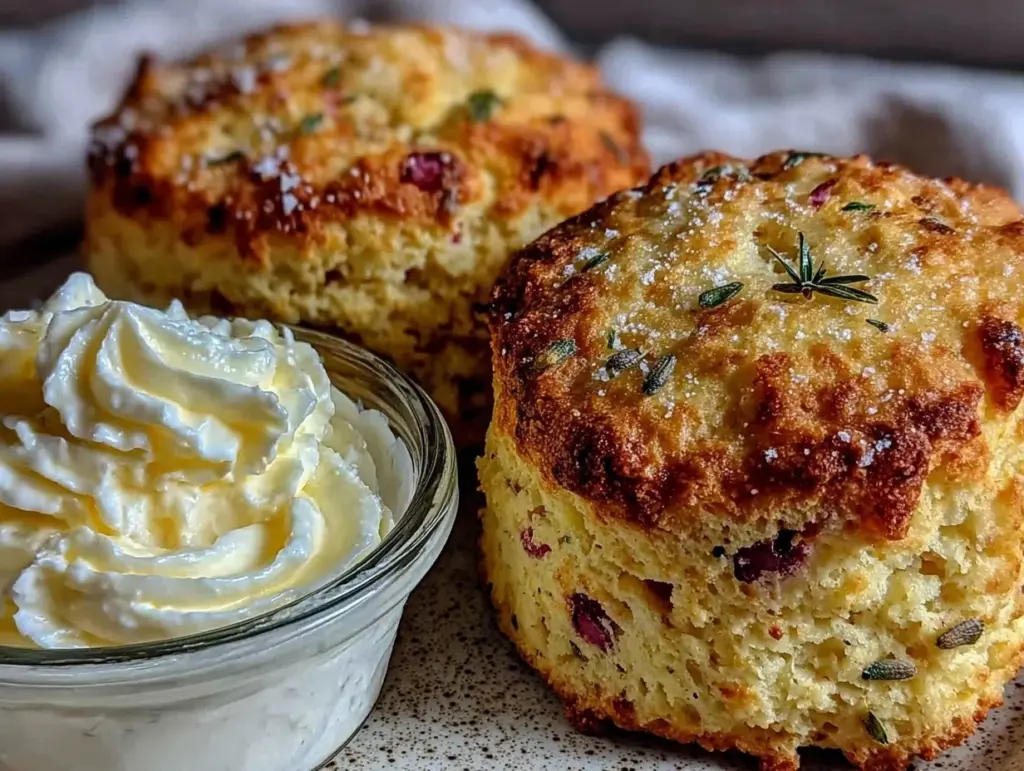
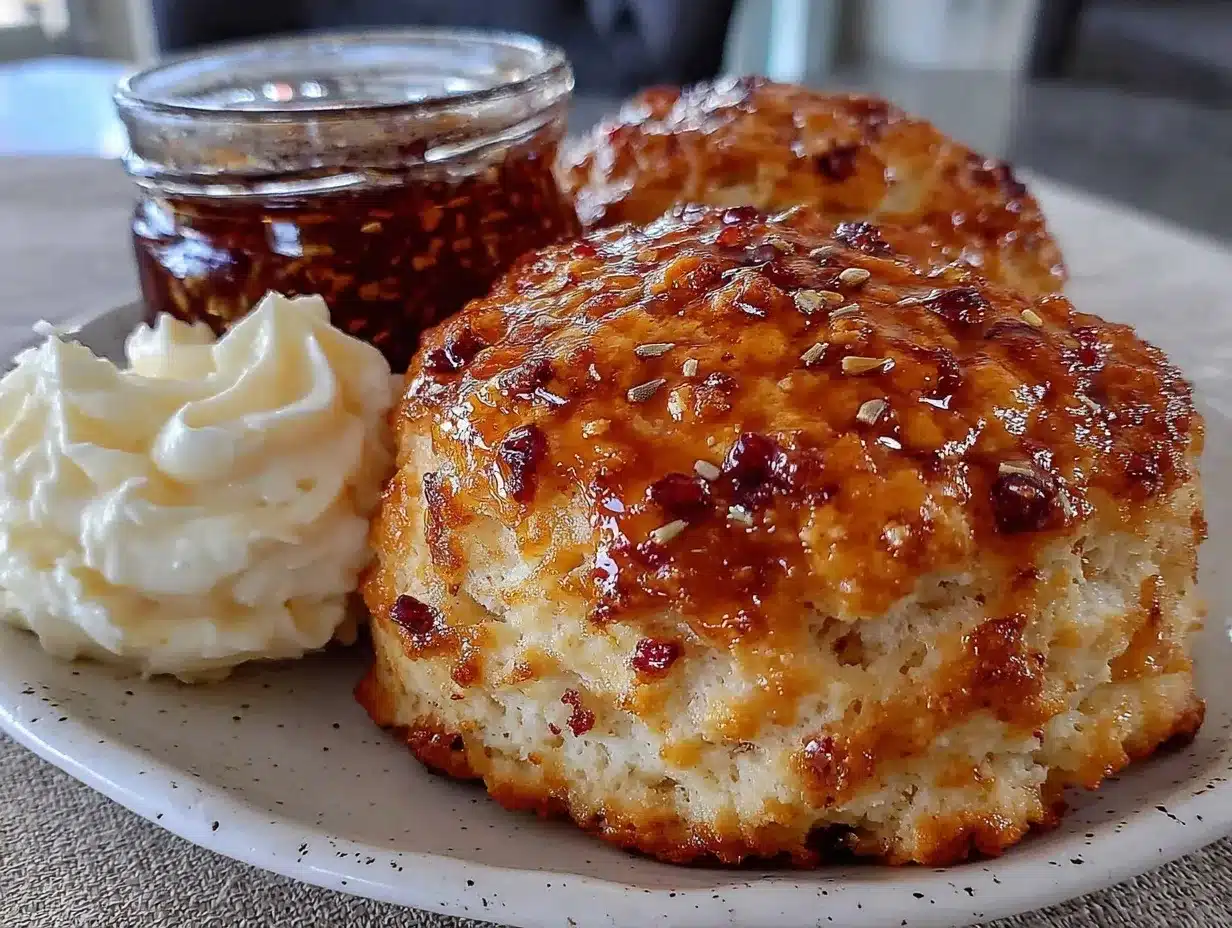
The smell of warm lavender honey scones fresh from the oven — lightly golden, with that floral hint dancing in the air — takes me right back to lazy Sunday mornings. Honestly, there’s something magical about the way the delicate lavender pairs with the sweetness of honey, especially when you slather these scones with rich, velvety clotted cream. I first whipped up this recipe on a whim, inspired by a little tea shop I stumbled upon during a trip. Since then, I’ve baked these scones more times than I can count, tweaking and perfecting the balance to bring out their charming, cozy character.
Lavender honey scones are not your everyday baked good. They marry fragrant floral notes with a tender crumb that’s both crumbly and moist — a tricky balance, but one that’s worth every minute in the kitchen. If you’re someone who appreciates a little twist on classic scones or loves hosting afternoon teas, this recipe is a keeper. Plus, the clotted cream adds that indulgent richness that makes every bite feel like a treat. As someone who’s tested this recipe over many weekends, I can say it’s surprisingly simple to pull off, even if you’re not a seasoned baker.
Whether you’re craving a cozy breakfast, a refined tea-time snack, or a homemade treat to impress guests, these lavender honey scones with clotted cream deliver. They’re comforting, slightly sweet, and have just the right touch of floral elegance that sets them apart. Trust me, once you try these, you’ll be making them again and again — they’re that irresistible.
Why You’ll Love This Lavender Honey Scones Recipe
After baking these lavender honey scones countless times, I can confidently say this recipe ticks all the boxes for a perfect homemade treat. Here’s why you’ll fall for it too:
- Quick & Easy: You’ll have these scones ready in about 30-35 minutes from start to finish — ideal for last-minute guests or a spontaneous treat.
- Simple Ingredients: Nothing fancy here — just pantry staples with a few special touches like dried culinary lavender and good-quality honey.
- Perfect for Any Occasion: Whether it’s a weekend brunch, a garden party, or an elegant afternoon tea, these scones fit right in.
- Crowd-Pleaser: The subtle floral notes and honey sweetness get rave reviews from both kids and adults alike — even lavender skeptics!
- Unbelievably Delicious: The texture manages to be tender but crumbly, and the clotted cream topping takes it to a whole new level of indulgence.
What really sets this lavender honey scones recipe apart is the delicate balance of flavors and the texture. I blend the lavender gently into the dough so it doesn’t overpower, and the honey adds just the right amount of sweetness without making the scones sticky or heavy. Plus, baking them until they’re a perfect golden brown with flaky edges is a small victory every time. This isn’t just another scone recipe — it’s my go-to for impressing guests or treating myself to a moment of pure comfort.
What Ingredients You Will Need
This recipe uses simple, wholesome ingredients to deliver bold flavor and a satisfying texture without the fuss. Most of these are pantry staples, with the special addition of culinary lavender and good honey to give these scones their signature touch.
- All-purpose flour (2 ¾ cups / 345g) – for a tender yet sturdy base.
- Baking powder (1 tbsp) – helps the scones rise beautifully.
- Granulated sugar (¼ cup / 50g) – balances the floral notes with sweetness.
- Salt (½ tsp) – enhances overall flavor.
- Dried culinary lavender buds (2 tsp) – look for food-grade lavender, finely chopped or whole, but not overpowering.
- Cold unsalted butter (½ cup / 115g), cut into small cubes – adds flakiness and richness.
- Whole milk (¾ cup / 180ml) – for moist, tender crumb.
- Heavy cream (¼ cup / 60ml), plus extra for brushing – boosts richness and helps with browning.
- Honey (3 tbsp) – choose a mild-flavored honey like clover or wildflower for best aroma.
- Vanilla extract (1 tsp) – subtle warmth that complements lavender and honey.
- Clotted cream (to serve) – the ultimate decadent topping that makes these scones unforgettable.
If you can’t find clotted cream, thick whipped cream or mascarpone make fine alternatives. For a dairy-free option, swap butter and cream with plant-based versions, and use almond or oat milk — the scones will still be lovely, though a bit less rich. A quick tip: I recommend using Anchor or Kerrygold butter for that creamy texture, and Bee Local honey if you want something local and flavorful.
Equipment Needed
- Mixing bowls: One large for dry ingredients, one for wet ingredients.
- Pastry cutter or fork: To cut butter into flour — I find a pastry cutter speeds things up, but fingers work fine too.
- Baking sheet: A rimmed one to catch any drips when brushing cream.
- Parchment paper or silicone baking mat: Prevents sticking and helps with even baking.
- Measuring cups and spoons: For accuracy — critical when baking.
- Rolling pin: Optional but helpful for an even dough thickness.
- Sharp knife or biscuit cutter: To shape the scones – a round cutter about 2.5 inches (6 cm) diameter works beautifully.
If you don’t have a pastry cutter, no worries — I often use two knives in a crisscross motion or my fingertips, but be quick to keep the butter cold. A silicone baking mat is a great investment for frequent bakers; if you’re on a budget, parchment paper does the trick just as well. Also, a kitchen scale is a baker’s best friend for precision — weighing flour avoids the dreaded dense scones from packing too much flour.
Preparation Method
- Preheat your oven to 400°F (200°C). Line a baking sheet with parchment paper or a silicone mat.
- Mix dry ingredients: In a large bowl, whisk together 2 ¾ cups (345g) all-purpose flour, 1 tbsp baking powder, ¼ cup (50g) sugar, ½ tsp salt, and 2 tsp dried culinary lavender buds. Make sure the lavender is evenly distributed so every bite has a gentle floral hint.
- Cut in the butter: Add ½ cup (115g) cold, cubed unsalted butter to the dry mix. Using a pastry cutter or your fingertips, quickly cut the butter into the flour until the mixture resembles coarse crumbs with pea-sized bits of butter remaining. This is the key for flaky scones — don’t overwork it!
- Combine wet ingredients: In a separate bowl, whisk ¾ cup (180ml) whole milk, ¼ cup (60ml) heavy cream, 3 tbsp honey, and 1 tsp vanilla extract until well blended.
- Bring it all together: Pour the wet mixture into the dry ingredients. Using a wooden spoon or spatula, gently stir until the dough just comes together. It will be slightly sticky but hold its shape. Avoid overmixing to keep scones tender.
- Shape the dough: Turn dough onto a lightly floured surface. Quickly pat it into a 1-inch (2.5cm) thick circle, about 8 inches (20cm) wide. Use a sharp knife or biscuit cutter (about 2.5 inches / 6cm diameter) to cut into 8 wedges or rounds.
- Prepare for baking: Transfer scones to the baking sheet, spacing them about 2 inches (5cm) apart. Brush the tops lightly with heavy cream to get that golden, glossy finish.
- Bake: Place in the preheated oven for 15-18 minutes, or until the tops are a beautiful golden brown and a toothpick inserted comes out clean.
- Cool and serve: Let the scones cool slightly on a wire rack before serving warm with clotted cream and an extra drizzle of honey if you’re feeling fancy.
Tip: If your dough feels too sticky to handle, pop it in the fridge for 10 minutes — cold dough is easier to work with and yields better texture. Also, don’t skip the cream brush; it really makes the scones look bakery-worthy!
Cooking Tips & Techniques
Getting perfect scones takes a few small tricks I’ve learned over time. First, keep your butter cold — warm butter won’t create those flaky layers we love. I usually cut it into cubes and chill it again if the kitchen’s warm. Also, gentle mixing is key; overmixing develops gluten and makes scones tough, and nobody wants that.
When cutting your scones, press straight down without twisting the cutter. Twisting seals the edges, which can prevent the scones from rising evenly. I made this mistake once and got dense, flat scones — learned the hard way!
Timing is everything: bake them immediately after cutting, so the butter doesn’t soften too much. If you’re multitasking, line your baking sheet and prep everything first, so you can pop them in the oven right away.
One trick I love is brushing the top with heavy cream — it gives a beautiful sheen and helps the scones brown evenly. If you want a little sparkle, sprinkle some coarse sugar on top before baking.
Variations & Adaptations
This lavender honey scones recipe has plenty of room for creativity. Here are a few ways I’ve adapted it depending on mood and pantry:
- Gluten-Free Version: Swap all-purpose flour for a gluten-free blend with xanthan gum. The texture changes a bit, but the flavor stays delightful.
- Seasonal Twist: Add fresh or dried blueberries for a burst of juicy sweetness that pairs surprisingly well with lavender.
- Herbal Variation: Replace lavender with a teaspoon of dried rosemary or thyme for a savory take, especially good with clotted cream and a sprinkle of sea salt.
- Vegan Adaptation: Use coconut oil instead of butter, plant-based milk, and a flax egg (1 tbsp ground flaxseed + 3 tbsp water) as a binder.
- Sweet Topping: After baking, drizzle a simple lemon glaze (powdered sugar + lemon juice) for an extra tangy kick.
One of my favorite personal twists is adding a handful of chopped toasted almonds to the dough for a little crunch — totally optional but adds a nice texture contrast!
Serving & Storage Suggestions
Serve these lavender honey scones warm, straight from the oven, with a generous dollop of clotted cream and a drizzle of honey. They’re perfect with a cup of Earl Grey or chamomile tea — the floral notes in the tea complement the lavender beautifully.
If you’re planning to store, keep scones in an airtight container at room temperature for up to 2 days. For longer storage, freeze them wrapped individually, then reheat in a 350°F (175°C) oven for 10 minutes to bring back their fresh-baked charm.
Reheating in the microwave is quick but can make scones a bit chewy, so I prefer the oven method. Also, these scones actually mellow in flavor after a day, so if you can, make them the night before for a deeper lavender and honey taste.
Nutritional Information & Benefits
Each serving (one scone) provides approximately 250-280 calories, depending on size and toppings. The recipe includes moderate sugar and fat from butter and cream but also benefits from honey’s natural antioxidants and anti-inflammatory properties.
Lavender is known for its calming effects, making these scones a soothing treat for stressful days. Using whole milk and heavy cream adds calcium and vitamin D, while the moderate portion size keeps indulgence balanced.
For those mindful of gluten, the suggested gluten-free version keeps this treat accessible. Just remember the clotted cream contains dairy, so swap accordingly for lactose intolerance.
Conclusion
These lavender honey scones with clotted cream are a little piece of homemade heaven — floral, sweet, and perfectly tender. They’re a recipe you’ll want to keep in your baking repertoire for everything from leisurely brunches to special occasions. I love how they bring a touch of elegance without fuss, and honestly, the clotted cream makes every bite feel like a mini celebration.
Feel free to make this recipe your own — experiment with flavors, swap ingredients, or even add your favorite mix-ins. I’d love to hear how your batch turns out, so please share your thoughts, tweaks, or photos in the comments below. Happy baking!
Frequently Asked Questions
Can I use fresh lavender instead of dried in this recipe?
Fresh lavender is more potent and moist, so it’s best to use dried culinary lavender to avoid extra moisture and bitterness. If using fresh, reduce the amount by half and finely chop it.
What’s the best way to store leftover scones?
Keep scones in an airtight container at room temperature for up to 2 days or freeze them wrapped individually for up to 3 months. Reheat in the oven for best texture.
Can I make these scones ahead of time?
Absolutely! You can prepare the dough, shape the scones, and freeze them raw on a baking sheet. Once frozen, transfer to a bag and bake from frozen, adding a few extra minutes to the baking time.
Is clotted cream necessary, or can I use something else?
Clotted cream is traditional and adds richness, but you can substitute with whipped cream, mascarpone, or even thick Greek yogurt if needed.
How do I prevent the butter from melting too quickly while mixing?
Work quickly and keep your hands cool. If the kitchen is warm, chill the butter and dough between steps. Using a pastry cutter helps keep the butter cold and evenly distributed.
Pin This Recipe!

Lavender Honey Scones Recipe Easy Homemade with Clotted Cream Delight

These lavender honey scones are tender, crumbly, and lightly sweetened with honey, featuring a delicate floral hint of dried lavender. Perfect for cozy breakfasts or elegant afternoon teas, served best with rich clotted cream.
- Prep Time: 10 minutes
- Cook Time: 15-18 minutes
- Total Time: 30-35 minutes
- Yield: 8 scones 1x
- Category: Breakfast, Snack, Tea Time
- Cuisine: British
Ingredients
- 2 ¾ cups (345g) all-purpose flour
- 1 tbsp baking powder
- ¼ cup (50g) granulated sugar
- ½ tsp salt
- 2 tsp dried culinary lavender buds
- ½ cup (115g) cold unsalted butter, cut into small cubes
- ¾ cup (180ml) whole milk
- ¼ cup (60ml) heavy cream, plus extra for brushing
- 3 tbsp honey
- 1 tsp vanilla extract
- Clotted cream (to serve)
Instructions
- Preheat your oven to 400°F (200°C). Line a baking sheet with parchment paper or a silicone mat.
- In a large bowl, whisk together 2 ¾ cups (345g) all-purpose flour, 1 tbsp baking powder, ¼ cup (50g) sugar, ½ tsp salt, and 2 tsp dried culinary lavender buds until evenly distributed.
- Add ½ cup (115g) cold, cubed unsalted butter to the dry mix. Using a pastry cutter or fingertips, cut the butter into the flour until the mixture resembles coarse crumbs with pea-sized bits of butter remaining.
- In a separate bowl, whisk ¾ cup (180ml) whole milk, ¼ cup (60ml) heavy cream, 3 tbsp honey, and 1 tsp vanilla extract until well blended.
- Pour the wet mixture into the dry ingredients. Gently stir with a wooden spoon or spatula until the dough just comes together; it will be slightly sticky but hold its shape. Avoid overmixing.
- Turn dough onto a lightly floured surface. Pat it into a 1-inch (2.5cm) thick circle about 8 inches (20cm) wide. Use a sharp knife or biscuit cutter (about 2.5 inches / 6cm diameter) to cut into 8 wedges or rounds.
- Transfer scones to the baking sheet, spacing them about 2 inches (5cm) apart. Brush the tops lightly with heavy cream.
- Bake in the preheated oven for 15-18 minutes, or until the tops are golden brown and a toothpick inserted comes out clean.
- Let the scones cool slightly on a wire rack before serving warm with clotted cream and an optional drizzle of honey.
Notes
Keep butter cold to ensure flaky layers. Avoid overmixing dough to keep scones tender. Brush tops with heavy cream for a golden, glossy finish. If dough is too sticky, chill for 10 minutes before shaping. For gluten-free, use a gluten-free flour blend with xanthan gum. Clotted cream can be substituted with whipped cream or mascarpone.
Nutrition
- Serving Size: 1 scone
- Calories: 265
- Sugar: 8
- Sodium: 250
- Fat: 14
- Saturated Fat: 8
- Carbohydrates: 30
- Fiber: 1
- Protein: 4
Keywords: lavender honey scones, scones recipe, homemade scones, clotted cream, afternoon tea, floral scones, easy scones, baking