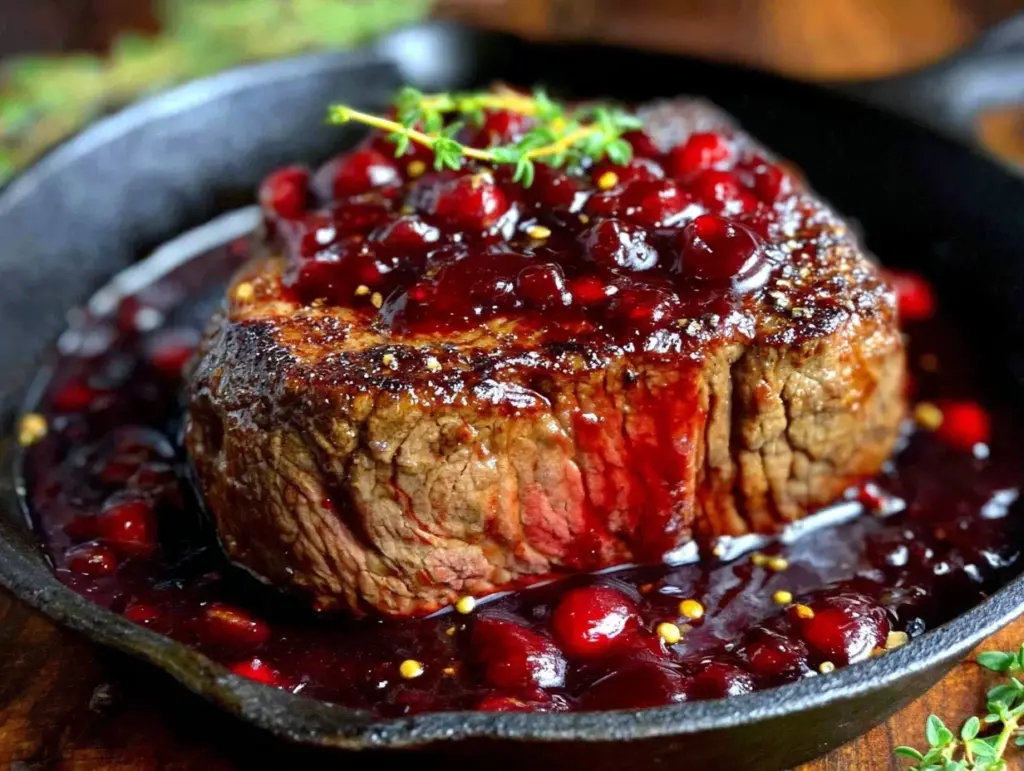
That night, the kitchen was unusually silent except for the soft hiss of the cast iron skillet warming on the stove. I’d grabbed a couple of filet mignon steaks on a whim — honestly, more out of curiosity than planning. No grand occasion, no guests to impress, just me and a rare moment to slow down. The rich aroma of searing beef mingled with the faint swirl of garlic and thyme, grounding me after a long day. I wasn’t convinced at first that such a simple approach could yield something truly special. But as the red wine reduction simmered gently, thickening into a glossy cloak, I found myself savoring every step.
Cooking filet mignon in cast iron isn’t flashy, but it’s reliable. The steak’s tender texture and subtle flavor deserve a method that respects their simplicity while coaxing out deep richness. Flipping the steak just once, letting it rest wrapped loosely in foil — these small rituals felt like a whispered promise that something worth savoring was on its way.
It’s funny how one modest meal can shift your whole evening. That perfect filet mignon recipe with easy red wine reduction in cast iron stuck with me because it’s not about fuss or grandeur, but about quiet confidence in technique and ingredients. It’s the kind of recipe that feels personal, like a secret handshake between you and the skillet, a little celebration reserved for when the world slows down just enough to notice the flavor.
Why You’ll Love This Perfect Filet Mignon Recipe with Easy Red Wine Reduction
Having tested this recipe several times—sometimes for solo dinners, sometimes when friends unexpectedly drop by—I can say it consistently delivers that restaurant-quality feeling without the stress. The red wine reduction isn’t just a sauce; it’s a silky, tangy partner that brings out the filet’s best qualities. Here’s why this recipe stands out:
- Quick & Easy: Ready in about 30 minutes, perfect for those evenings when you want something special but don’t want to fuss endlessly.
- Simple Ingredients: No need for fancy or hard-to-find items — just quality beef, wine, and pantry staples like garlic and butter.
- Perfect for Impressing: Whether it’s a date night or a casual dinner that suddenly got an upgrade, this recipe feels fancy without being intimidating.
- Crowd-Pleaser: Tried this recently for a small gathering, and everyone asked for seconds — it’s universally loved, from steak novices to seasoned carnivores.
- Unbelievably Delicious: The cast iron sear creates a caramelized crust while the red wine reduction adds a luscious, balanced finish.
This isn’t just another steak recipe. The secret lies in using a hot cast iron skillet to lock in juices and developing that nuanced red wine sauce that’s tangy but smooth, with just the right hint of herbs. It’s that touch of finesse that makes this filet mignon recipe truly memorable — a recipe that makes you pause and appreciate the simple joy of a well-cooked steak.
What Ingredients You Will Need
This recipe uses straightforward, wholesome ingredients to create bold flavors and tender textures without any fuss. Most are pantry staples, and substitutions are easy if needed.
- Filet Mignon Steaks: 2 steaks, about 6 oz (170 g) each, preferably 1½ to 2 inches thick for perfect searing
- Salt and Freshly Ground Black Pepper: For seasoning — coarse salt works best
- Olive Oil or Vegetable Oil: 1 tablespoon, high smoke point preferred for searing
- Unsalted Butter: 2 tablespoons, for basting (I like to use Kerrygold for richness)
- Garlic Cloves: 2 cloves, lightly crushed to release aroma
- Fresh Thyme or Rosemary: 2-3 sprigs, adds herbal depth
- Dry Red Wine: ½ cup (120 ml), something drinkable but not too pricey — a Cabernet or Merlot works well
- Shallots: 1 small, finely chopped (optional but recommended for sauce complexity)
- Beef Broth or Stock: ½ cup (120 ml), adds body to the reduction
- Honey or Brown Sugar: 1 teaspoon, balances acidity in the wine reduction
Substitutions: Use coconut oil or a neutral oil if avoiding dairy or prefer a dairy-free option; swap beef broth for vegetable broth for a lighter sauce. If you’re looking for a gluten-free option, all these ingredients naturally fit, just double-check your broth label.
Equipment Needed
- Cast Iron Skillet: Essential for even heat and perfect sear — a 10-inch skillet works best for two steaks.
- Tongs: For flipping steaks safely without piercing the meat (which would release juices).
- Small Saucepan: To make the red wine reduction separately if your skillet feels crowded.
- Meat Thermometer: Optional but helpful to check doneness (aim for 130°F/54°C for medium-rare).
- Aluminum Foil: For resting the steaks to keep juices locked in.
If you don’t own cast iron yet, a heavy stainless steel pan can work, but the flavor and crust won’t be quite the same. I’ve had great luck maintaining my skillet by seasoning it regularly with a little oil — it keeps the surface almost non-stick. For budget-friendly options, Lodge makes sturdy skillets that last for years.
Preparation Method
- Prepare the Steaks (5 minutes): Pat the filet mignon dry with paper towels to remove excess moisture — this helps create a beautiful crust. Season generously on all sides with coarse salt and freshly ground black pepper. Set aside at room temperature for about 15 minutes if time allows.
- Heat the Cast Iron Skillet (3-5 minutes): Place your skillet on medium-high heat and add the olive oil. Wait until the oil shimmers and just starts to smoke — this means it’s hot enough for a good sear.
- Sear the Filet Mignon (6-8 minutes total): Carefully lay the steaks away from you in the skillet. Sear without moving for about 3-4 minutes on the first side until a deep brown crust forms. Flip once and add the butter, garlic, and herbs. Tilt the pan slightly and use a spoon to baste the steaks with melted butter for another 3-4 minutes, depending on thickness and desired doneness. Use a meat thermometer to check.
- Rest the Steaks (5-10 minutes): Transfer steaks to a plate and tent loosely with foil. Resting lets the juices redistribute, making the filet tender and juicy.
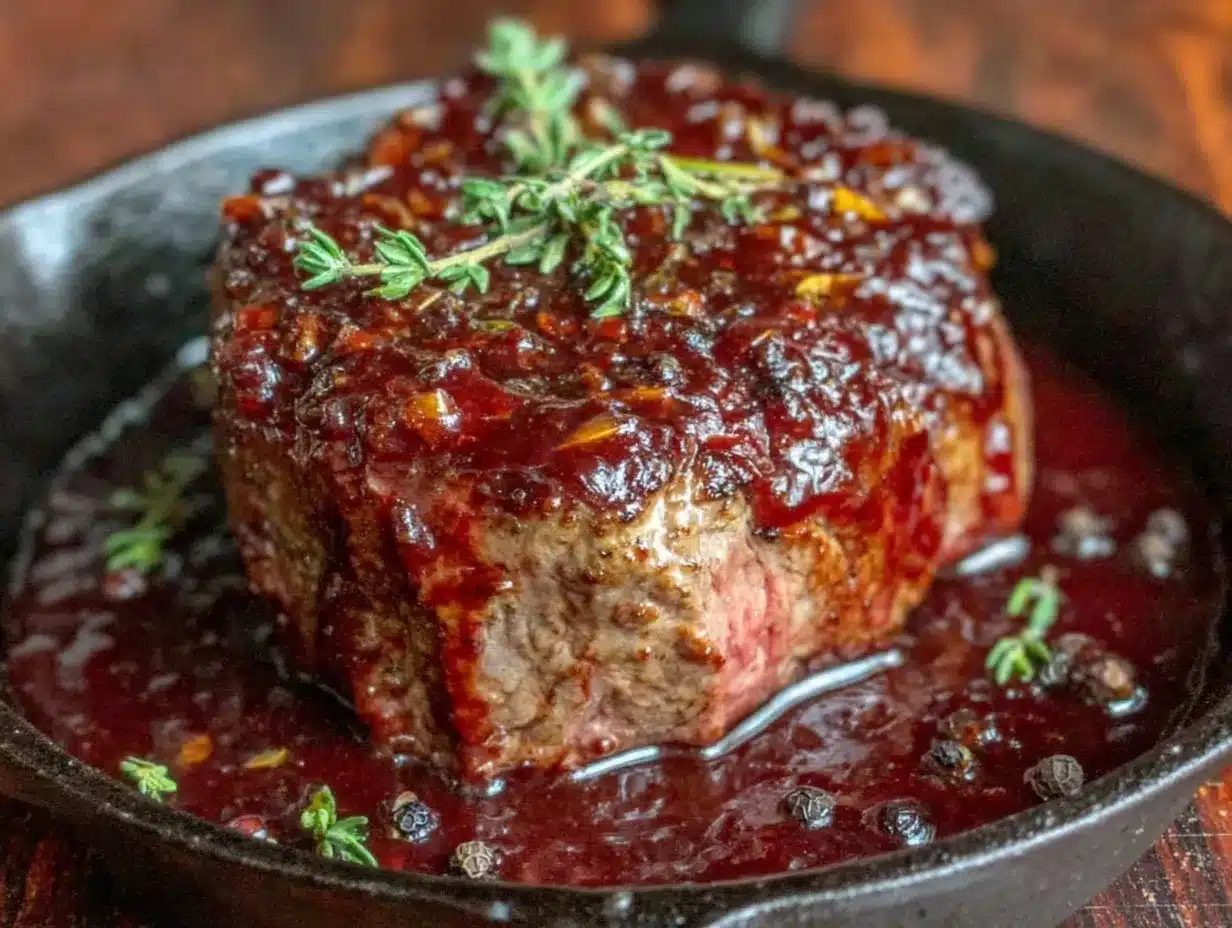
- Make the Red Wine Reduction (10-12 minutes): While the steaks rest, reduce heat to medium and add shallots to the same skillet. Sauté until translucent, scraping up browned bits. Pour in the red wine and beef broth, stirring in the honey or brown sugar. Let simmer gently until the liquid thickens into a glossy sauce, about 8-10 minutes. Taste and adjust seasoning with salt and pepper.
- Serve: Place the rested filet mignon on plates and spoon the red wine reduction over the top. A sprinkle of fresh thyme leaves adds a lovely final touch.
Pro tip: Don’t rush the sear or skip resting. The difference in texture and flavor is noticeable, especially with tender cuts like filet mignon. If the sauce thickens too much, just add a splash of broth to loosen it.
Cooking Tips & Techniques for the Perfect Filet Mignon
Getting that perfect sear in cast iron can feel intimidating, but a few tips make all the difference. First, always dry your steaks thoroughly — moisture is the enemy of a good crust. I learned this the hard way after a soggy attempt once that taught me patience pays off.
Keep your heat steady but don’t burn the oil; preheat your skillet long enough so it’s evenly hot. When adding butter, don’t let it burn — basting quickly imparts flavor without bitterness. A good meat thermometer is your best friend here, removing guesswork and preventing dried-out steaks.
When making the red wine reduction, don’t rush the simmer. Letting the sauce reduce slowly intensifies flavor and thickens naturally. Scraping the pan after searing captures those flavorful bits, giving your sauce a rich depth. If you want a silky finish, strain the sauce before serving, but I often leave the shallots in for texture.
Multitasking tip: Start the sauce while steaks rest — this way, everything comes together hot and fresh. It’s all about timing and little rituals that become second nature with practice.
Variations & Adaptations
- Herb Twist: Swap thyme with fresh rosemary or tarragon for a different herbal note in both the sear and reduction.
- Dietary Adaptation: For a dairy-free version, replace butter with olive oil or vegan butter substitutes for basting.
- Seasonal Flair: Add a splash of balsamic vinegar or a handful of fresh berries to the red wine reduction in late summer for a sweet-tart lift.
- Alternative Cooking Method: After searing, finish thick filet mignons in a 400°F (200°C) oven for 4-6 minutes to reach medium-rare without overcooking the exterior.
- Personal Favorite: I once tried a pinch of smoked paprika in the seasoning to add a subtle smoky warmth, which paired beautifully with the rich sauce.
Serving & Storage Suggestions
Serve your filet mignon hot with the red wine reduction spooned generously on top. It pairs beautifully with creamy mashed potatoes or a side of sautéed asparagus, which balances the richness. For something a little lighter, a fresh green salad with a tangy vinaigrette cuts through the indulgence nicely.
Leftovers keep well in the fridge for up to 2 days, wrapped tightly. Reheat gently in a low oven or covered skillet to avoid drying out. The red wine reduction can be stored separately and reheated on the stove, adding a splash of broth if it thickens too much.
Interestingly, the sauce flavors deepen overnight, so if you make it ahead, the next day’s meal feels even more luxurious. Just give the sauce a quick warm-up and whisk before serving.
Nutritional Information & Benefits
This perfect filet mignon recipe offers a lean cut of beef packed with protein and essential nutrients like iron and B vitamins. The red wine reduction adds flavor without excess calories or fat, especially when made without heavy creams.
Approximate nutritional values per serving (1 filet with sauce): 350-400 calories, 30-35g protein, 20g fat, 3g carbohydrates. Naturally gluten-free and suitable for low-carb diets.
Using fresh herbs and moderate amounts of butter keeps the recipe balanced. The antioxidants in red wine contribute polyphenols, which have been linked to heart health, though moderation is key.
Conclusion
This perfect filet mignon with easy red wine reduction in cast iron isn’t just a recipe — it’s a quiet celebration of technique, patience, and simple ingredients coming together. I love how it turns an ordinary night into a memorable meal without any fuss.
Feel free to experiment with herbs or wine types to make it your own. And if you ever want a sweet finish after this savory treat, you might appreciate the rich million-dollar pound cake or the creamy key lime pie bars — both bring that perfect balance of indulgence and ease.
When you give this recipe a go, I’d love to hear how it turns out or what variations you try. There’s something special about sharing these little kitchen moments, isn’t there? Here’s to many more quiet evenings with good food and better company.
Frequently Asked Questions
- What is the best doneness for filet mignon? Medium-rare (about 130°F/54°C) is ideal to keep filet mignon tender and juicy, but you can adjust based on preference.
- Can I use another pan instead of cast iron? Yes, a heavy stainless steel pan works, but cast iron gives the best sear and flavor.
- What if I don’t have red wine? Substitute with grape juice and a splash of vinegar, or use extra beef broth with a dash of balsamic vinegar.
- How do I know when the red wine reduction is ready? It should thicken to a syrupy consistency that coats the back of a spoon without being too sticky.
- Can I prepare the red wine reduction ahead of time? Absolutely. Make it a day in advance, refrigerate, then gently reheat before serving.
Pin This Recipe!
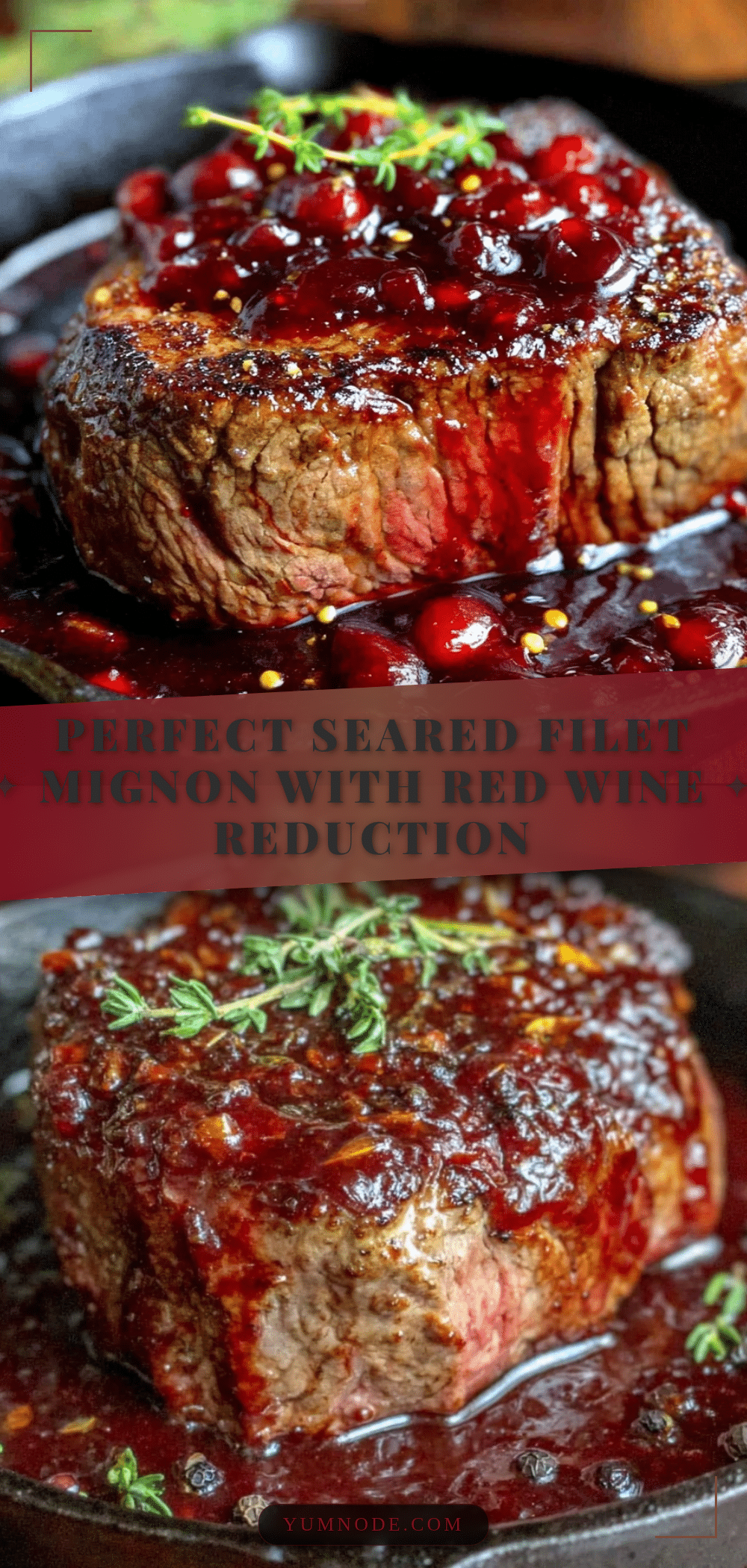
Perfect Filet Mignon Recipe with Easy Red Wine Reduction in Cast Iron

A simple yet elegant recipe for tender filet mignon steaks seared in cast iron and served with a silky red wine reduction sauce. Perfect for a quick, restaurant-quality meal at home.
- Prep Time: 20 minutes
- Cook Time: 15 minutes
- Total Time: 35 minutes
- Yield: 2 servings 1x
- Category: Main Course
- Cuisine: American
Ingredients
- 2 filet mignon steaks, about 6 oz (170 g) each, 1½ to 2 inches thick
- Coarse salt and freshly ground black pepper, for seasoning
- 1 tablespoon olive oil or vegetable oil
- 2 tablespoons unsalted butter
- 2 garlic cloves, lightly crushed
- 2–3 sprigs fresh thyme or rosemary
- ½ cup (4 fl oz / 120 ml) dry red wine (Cabernet or Merlot recommended)
- 1 small shallot, finely chopped (optional)
- ½ cup (4 fl oz / 120 ml) beef broth or stock
- 1 teaspoon honey or brown sugar
Instructions
- Pat the filet mignon dry with paper towels to remove excess moisture. Season generously on all sides with coarse salt and freshly ground black pepper. Let rest at room temperature for about 15 minutes if possible.
- Heat a 10-inch cast iron skillet over medium-high heat and add the olive oil. Wait until the oil shimmers and just starts to smoke.
- Place the steaks in the skillet away from you. Sear without moving for 3-4 minutes until a deep brown crust forms.
- Flip the steaks once, add butter, garlic, and herbs to the pan. Tilt the pan and baste the steaks with melted butter for another 3-4 minutes, adjusting time for desired doneness. Use a meat thermometer aiming for 130°F (54°C) for medium-rare.
- Transfer steaks to a plate and tent loosely with aluminum foil. Rest for 5-10 minutes to redistribute juices.
- While steaks rest, reduce heat to medium and add shallots to the skillet. Sauté until translucent, scraping up browned bits.
- Pour in red wine and beef broth, stir in honey or brown sugar. Simmer gently until sauce thickens to a glossy consistency, about 8-10 minutes. Adjust seasoning with salt and pepper.
- Serve the rested filet mignon topped with the red wine reduction and a sprinkle of fresh thyme leaves.
Notes
Pat steaks dry to ensure a good crust. Use a meat thermometer to avoid overcooking. Rest steaks before serving to keep them juicy. If sauce thickens too much, add a splash of broth to loosen. For dairy-free, substitute butter with olive oil or vegan butter. Can finish thick steaks in a 400°F oven for 4-6 minutes for medium-rare.
Nutrition
- Serving Size: 1 filet mignon steak
- Calories: 375
- Sugar: 2
- Sodium: 350
- Fat: 20
- Saturated Fat: 10
- Carbohydrates: 3
- Protein: 32
Keywords: filet mignon, steak, red wine reduction, cast iron skillet, easy steak recipe, dinner, quick meal, restaurant quality