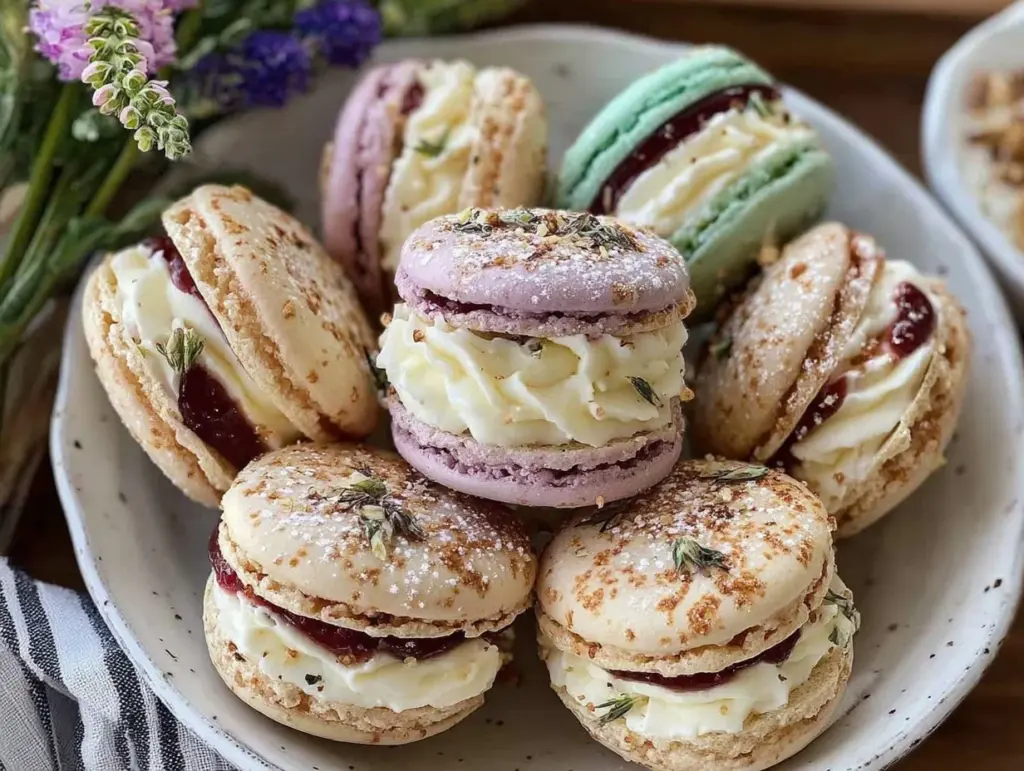
“Are you sure these aren’t store-bought?” That’s the question I got at last spring’s garden party, holding a pastel mini macaron in hand. Honestly, I was half as surprised as my guests. I’d stumbled onto this mini macaron recipe quite by accident—trying to whip up a quick batch of cookies when I realized I’d forgotten half the ingredients. What I did have on hand was egg whites, almond flour, and a handful of powdered sugar, plus some food coloring leftover from a kid’s birthday cake. It was a last-minute experiment, and quite frankly, I wasn’t convinced it would work out.
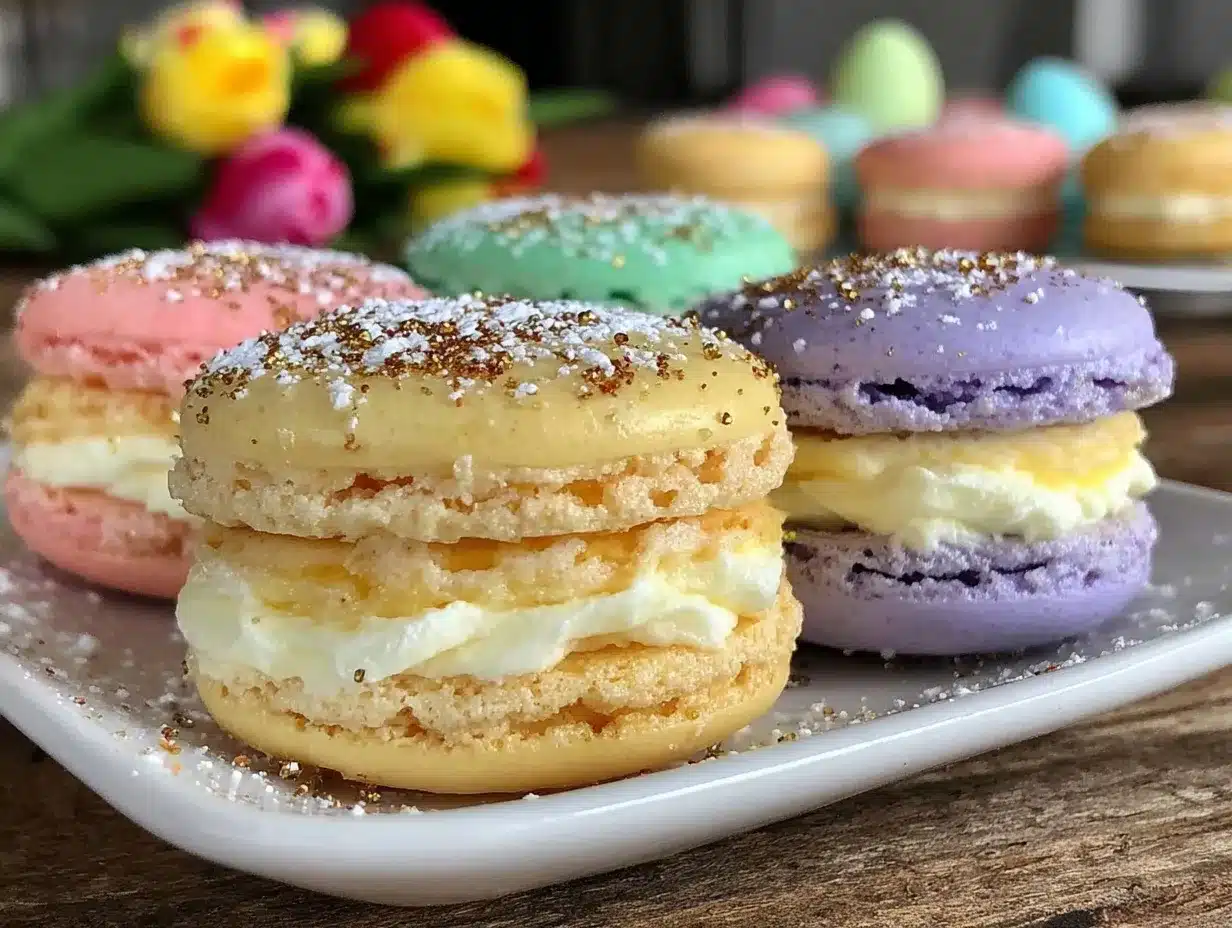
But after a few tries and tweaks, these tiny pastel macarons became a staple whenever spring rolled around. The shells are crisp on the outside, with just a hint of chewiness inside, and the filling? Let’s just say it’s the kind of sweet that melts in your mouth and lingers pleasantly. They’re perfect for those light, breezy celebrations when you want something sweet but not over the top.
What really draws me to these pastel mini macarons is their charm—the soft colors that remind me of blooming flowers and the joy of sharing little treats with friends. Every batch brings back that quiet satisfaction of creating something delicate and delightful from scratch. These macarons aren’t just desserts; they’re tiny moments of spring captured in bite-sized perfection.
Why You’ll Love This Recipe
This perfect pastel mini macarons recipe has become a go-to for spring parties and special occasions alike. Here’s why it stands out:
- Quick & Easy: You can whip up a batch in about 45 minutes, making them ideal for last-minute celebrations or unexpected guests.
- Simple Ingredients: No exotic imports here—just basics like almond flour, egg whites, powdered sugar, and your favorite food coloring.
- Perfect for Spring Celebrations: Their soft pastel hues and petite size make them just right for Easter brunches, baby showers, or garden teas.
- Crowd-Pleaser: Kids and adults alike can’t resist these sweet little treats. They’re often the first thing to disappear from the dessert table.
- Unbelievably Delicious: The balance between crisp shell and creamy filling is spot on, offering a texture combo that feels both fancy and comforting.
What sets this recipe apart is the gentle folding technique I learned after a few failed batches, which gives the shells their iconic smooth tops without cracking. Plus, the filling is a luscious buttercream that can be flavored or colored to match any spring theme. Honestly, it’s the kind of recipe that makes you close your eyes after the first bite, savoring every bit of that delicate sweetness. If you want to pair these with a refreshing drink, try the Strawberry Acai Refresher for a vibrant combo.
What Ingredients You Will Need
This pastel mini macarons recipe uses simple, wholesome ingredients that promise bold flavor and that classic delicate texture without the fuss. Here’s what you’ll want on hand:
- Almond flour or finely ground blanched almonds: About 1 cup (100g). Look for finely ground, not coarse, to achieve smooth shells.
- Powdered sugar: 1 ¾ cups (210g). This sweetens and adds structure to the shells.
- Egg whites: 3 large (about 90g), at room temperature. This is essential for that airy meringue base.
- Granulated sugar: ¼ cup (50g). Used to stabilize the meringue when whipped.
- Food coloring: Gel or powdered pastel shades (pink, lavender, mint, pale yellow). Avoid liquid colors as they can alter the batter consistency.
- Vanilla extract: 1 tsp (optional) for subtle flavor depth in shells or filling.
- Butter: ½ cup (113g), softened, for the buttercream filling.
- Powdered sugar for filling: 1 cup (120g), sifted.
- Milk or cream: 1-2 tbsp, to adjust buttercream consistency.
- Flavor extracts: Optional, such as almond, lemon, or rose water to tailor the filling flavor.
For a gluten-free option, these macarons are naturally suitable since they use almond flour instead of wheat flour. If you prefer a dairy-free filling, swap butter for coconut oil or a vegan butter substitute. When it comes to brands, I recommend Bob’s Red Mill almond flour for its fine texture and consistency. For food coloring, AmeriColor gels have worked well in my experience—they give vibrant yet soft pastel tones without thinning the batter.
Equipment Needed
Gathering the right tools will make your macaron-making smoother and more enjoyable:
- Kitchen scale: Precision is key with macarons. Measuring ingredients by weight ensures consistency.
- Electric mixer or stand mixer: For whipping egg whites into a stable meringue. A handheld mixer works fine, but a stand mixer saves effort.
- Sifter or fine mesh sieve: To sift almond flour and powdered sugar together, preventing lumps.
- Silicone baking mat or parchment paper: For piping shells. Silicone mats help prevent sticking and promote even baking.
- Piping bag with round tip (about ½ inch/1.3 cm): Essential for shaping uniform mini macarons.
- Spatula: A flexible silicone spatula for folding batter gently.
- Oven thermometer: Useful if your oven temperature tends to fluctuate.
If you lack a piping bag, a sturdy zip-top plastic bag with a small corner cut off can serve as a budget-friendly alternative. I’ve tried both, and while disposable piping bags are convenient, reusable silicone ones are eco-friendlier and easy to clean. Maintaining your mixer and keeping the bowl spotless ensures your meringue whips up perfectly. Also, keep in mind that cool, dry kitchen conditions help macarons dry properly before baking.
Preparation Method
- Prepare your dry ingredients: Weigh out 1 cup (100g) almond flour and 1 ¾ cups (210g) powdered sugar. Sift them together twice into a large bowl to remove any lumps and aerate the mixture. This step is crucial for smooth shells.
- Whip the egg whites: In a clean, grease-free bowl, beat 3 large egg whites at room temperature with an electric mixer on medium speed until foamy. Gradually add ¼ cup (50g) granulated sugar, increasing the speed to high. Whip until stiff, glossy peaks form. You’ll know it’s ready when the meringue holds its shape and doesn’t slide when you tilt the bowl.
- Add color and flavor: Gently fold in 1 teaspoon vanilla extract (if using) and your chosen gel food coloring—start with a small amount; you can always add more to reach that perfect pastel shade.
- Combine dry and wet: Using a spatula, fold the sifted almond flour and powdered sugar mixture into the meringue in thirds. Use a gentle folding technique—you want to deflate the meringue just enough so the batter flows slowly off the spatula in ribbons. This stage is tricky; overmixing leads to flat macarons, undermixing causes cracked shells.
- Pipe the shells: Transfer the batter to a piping bag fitted with a round tip. Pipe small circles about 1 inch (2.5 cm) in diameter onto a silicone mat or parchment-lined baking sheet, spacing them about 1 inch apart. Tap the tray firmly on the counter a couple of times to release air bubbles.
- Rest the shells: Let the piped shells sit at room temperature for 30-60 minutes until a dry skin forms on the surface. You should be able to touch them lightly without batter sticking to your finger. This step helps prevent cracking during baking.
- Bake: Preheat oven to 300°F (150°C). Bake the macarons for 15-18 minutes, rotating the tray halfway through for even cooking. The shells should rise with feet (those ruffled edges) and be firm to the touch.
- Cool completely: Remove from oven and let the shells cool on the baking sheet for 10 minutes before transferring them to a wire rack. This prevents sticking.
- Prepare the filling: Beat ½ cup (113g) softened butter with 1 cup (120g) powdered sugar until smooth and fluffy. Add 1-2 tablespoons milk or cream to adjust consistency. Flavor with extracts like almond or lemon if you like.
- Assemble: Pair shells of similar size and pipe a small dollop of filling onto one shell. Sandwich with the other. Let the macarons mature in the fridge for 24 hours to develop flavor and texture before serving.
For troubleshooting, if your shells crack, it could be due to insufficient drying time or oven temperature too high. If macarons spread too much, try folding the batter less or piping smaller circles. Sensory cues like glossy meringue and slow-flowing batter help tell you if you’re on the right track. Trust me, after a couple of batches, the process becomes second nature.
Cooking Tips & Techniques
Perfecting macarons is an art, and a few insider tips can save you a lot of frustration:
- Age your egg whites: Some bakers swear by separating eggs and leaving whites in the fridge for 24-48 hours to improve stability. I’ve found room temperature fresh whites work fine with proper whipping and folding.
- Be patient at the drying stage: This is often skipped but is crucial for the shells to develop that smooth, shiny surface and feet. A humid day? Use a fan or air conditioner to speed drying.
- Use an oven thermometer: Oven temperatures can vary wildly. Baking at too high a temp causes cracked shells or hollow macarons. 300°F (150°C) is a reliable temp for most home ovens.
- Master the macaronage technique: Folding the batter correctly is the secret sauce. It should flow like lava—slowly, but not stiff or runny.
- Don’t skip sifting: Almond flour and powdered sugar lumps are your enemy here. Sifting ensures shells are smooth and even.
I remember my first batch was a crumbly mess, but after adjusting folding and drying, my macarons became a highlight at our spring brunches. Multitasking by prepping fillings while shells dry helps streamline the process. Consistency comes with practice, but these tips will get you there faster.
Variations & Adaptations
These pastel mini macarons are a versatile canvas. Here are some fun ways to mix things up:
- Flavor twists: Add matcha powder to the almond flour for green tea macarons, or fold cocoa powder in for chocolate shells. For filling, try lemon curd or raspberry jam instead of buttercream.
- Dietary adaptations: Use aquafaba (chickpea brine) whipped like egg whites for a vegan version, paired with coconut oil-based frosting. Almond flour can be swapped for pistachio flour for a nutty flavor.
- Seasonal flair: For spring, incorporate floral extracts like rose water or lavender into the filling. Around holidays, use festive colors or seasonal fruit purees.
- Size and shape: While mini macarons are charming, you can pipe larger ones for classic sizes or experiment with different shapes, like hearts or flowers, for special occasions.
One personal favorite is to fill macarons with a tangy cream cheese frosting flavored with fresh lemon zest—bright and refreshing for spring. I also sometimes pair these with the creamy key lime pie bars from my key lime pie bars recipe for a zesty dessert spread.
Serving & Storage Suggestions
These pastel mini macarons are best served at room temperature to enjoy their delicate texture and flavor fully. Arrange them on a pretty platter or tiered stand for an eye-catching centerpiece at your spring gathering.
They pair beautifully with light teas, sparkling lemonade, or even a chilled rosé for adult parties. For a sweet brunch, consider serving alongside fresh berries or a creamy dessert like the tiramisu icebox cake.
For storage, keep macarons in an airtight container in the refrigerator for up to 3 days. If you want to make them ahead, they freeze well—just thaw in the fridge overnight before serving. Avoid storing at room temperature for more than a day, as the filling can soften too much and shells lose their crispness.
Flavors mature beautifully after a day or two, so if you can resist, let them rest before indulging. This patience pays off in richer taste and perfect texture.
Nutritional Information & Benefits
Each pastel mini macaron is a small indulgence, averaging about 70 calories per piece, depending on filling and size. They’re naturally gluten-free due to the almond flour base, making them suitable for those avoiding gluten.
Almond flour adds a bit of protein, healthy fats, and vitamin E, while the egg whites contribute lean protein without fat. Of course, these treats are sweet and best enjoyed in moderation.
For those mindful of allergens, keep in mind almonds and eggs are common allergens here. Dairy-free options can be made by swapping out butter for plant-based fats in the filling.
From my wellness perspective, these macarons strike a lovely balance—offering a pretty, flavorful treat without heavy sugars or preservatives often found in store-bought alternatives.
Conclusion
Making perfect pastel mini macarons for spring celebrations is a rewarding little project that brings a touch of elegance and joy to any gathering. They’re not just pretty cookies but a testament to patience, practice, and a bit of kitchen magic. I love how customizable and approachable this recipe is, encouraging you to make it your own with favorite flavors and colors.
Whether you’re hosting an intimate brunch or surprising friends at a garden party, these macarons add a special moment to savor. So grab your mixer, some almond flour, and a splash of color—there’s magic in those tiny shells waiting to happen.
If you try this recipe, I’d love to hear how your macarons turned out or what variations you experimented with. Sharing those stories is what makes cooking such a joy for me. Happy baking and spring celebrating!
FAQs About Perfect Pastel Mini Macarons
What causes macarons to crack during baking?
Cracking usually happens if the shells haven’t dried enough before baking or if the oven temperature is too high. Make sure to let the piped shells rest until a dry skin forms and use an oven thermometer to check your temperature.
Can I make macarons without a stand mixer?
Yes, a handheld mixer works well to whip the egg whites into stiff peaks. Just be sure your bowl and beaters are very clean and free of grease for best results.
How do I store macarons to keep them fresh?
Store macarons in an airtight container in the fridge for up to 3 days. They also freeze well; thaw them in the fridge overnight before serving.
Can I substitute almond flour with another nut flour?
Pistachio flour can be used as a substitute, offering a unique flavor and green color. Avoid coarse nut meals to keep shells smooth.
What’s the best way to color macarons pastel shades?
Use gel or powdered food coloring sparingly, adding a little at a time until you get the desired pastel tone. Avoid liquid food coloring, as it can alter batter consistency.
Pin This Recipe!
Perfect Pastel Mini Macarons

Delicate pastel mini macarons with crisp shells and creamy buttercream filling, perfect for spring parties and special occasions.
- Prep Time: 20 minutes
- Cook Time: 18 minutes
- Total Time: 45 minutes
- Yield: About 30 mini macarons 1x
- Category: Dessert
- Cuisine: French
Ingredients
- 1 cup (100g) almond flour or finely ground blanched almonds
- 1 ¾ cups (210g) powdered sugar
- 3 large egg whites (about 90g), at room temperature
- ¼ cup (50g) granulated sugar
- Gel or powdered pastel food coloring (pink, lavender, mint, pale yellow)
- 1 tsp vanilla extract (optional)
- ½ cup (113g) softened butter for buttercream filling
- 1 cup (120g) powdered sugar for filling, sifted
- 1–2 tbsp milk or cream to adjust buttercream consistency
- Optional flavor extracts such as almond, lemon, or rose water
Instructions
- Weigh and sift together almond flour and powdered sugar twice into a large bowl to remove lumps and aerate the mixture.
- In a clean, grease-free bowl, beat egg whites on medium speed until foamy. Gradually add granulated sugar and increase speed to high. Whip until stiff, glossy peaks form.
- Gently fold in vanilla extract (if using) and chosen gel food coloring to the meringue.
- Fold the sifted almond flour and powdered sugar mixture into the meringue in thirds using a gentle folding technique until batter flows slowly off the spatula in ribbons.
- Transfer batter to a piping bag fitted with a round tip and pipe small 1 inch (2.5 cm) circles onto a silicone mat or parchment-lined baking sheet, spacing about 1 inch apart. Tap tray to release air bubbles.
- Let piped shells rest at room temperature for 30-60 minutes until a dry skin forms on the surface.
- Preheat oven to 300°F (150°C). Bake macarons for 15-18 minutes, rotating tray halfway through. Shells should rise with feet and be firm to the touch.
- Cool shells on baking sheet for 10 minutes, then transfer to a wire rack to cool completely.
- Beat softened butter with powdered sugar until smooth and fluffy. Add milk or cream to adjust consistency and flavor with extracts if desired.
- Pair shells of similar size and pipe filling onto one shell. Sandwich with the other and refrigerate for 24 hours to mature before serving.
Notes
Use gel or powdered food coloring to avoid altering batter consistency. Let shells rest until dry skin forms to prevent cracking. Use an oven thermometer to maintain accurate baking temperature. For dairy-free filling, substitute butter with coconut oil or vegan butter. Macarons mature best after 24 hours in the fridge.
Nutrition
- Serving Size: 1 mini macaron
- Calories: 70
- Sugar: 6
- Sodium: 10
- Fat: 4.5
- Saturated Fat: 2.5
- Carbohydrates: 7
- Fiber: 0.5
- Protein: 1.5
Keywords: pastel macarons, mini macarons, spring party desserts, almond flour macarons, buttercream filling, gluten-free macarons