
“Are you kidding me? You used candy eggs for this?” my friend asked, eyebrows raised as I handed over a shard of the homemade robin egg nest chocolate bark. Honestly, I didn’t expect much myself the first time I threw this together—just a quick idea to fill a gap in my spring dessert lineup. I had a bag of those pastel-speckled candy eggs leftover from Easter, and well, I figured why not scatter them on some melted chocolate and call it a day?
Turns out, that little experiment became my go-to spring treat. The crackly chocolate base with the crunch of the candy eggs nestled right on top? Somehow, it felt like a tiny celebration every time you bit into one. And let’s be real, the colors alone make it impossible not to smile. This recipe stuck around because it’s fast, forgiving, and perfect for those days when you want something festive but don’t want to fuss over complicated steps.
What started as a last-minute thought quickly turned into a staple for my spring gatherings—whether it’s an impromptu brunch or a casual catch-up with neighbors. The best part is, it’s so easy to make that even folks who don’t usually bake chocolate treats can whip it up without breaking a sweat. So, if you’re looking for a homemade spring celebration treat that feels special but won’t eat up your afternoon, this robin egg nest chocolate bark might just become your new favorite.
Why You’ll Love This Recipe
After testing this robin egg nest chocolate bark recipe multiple times (seriously, I made at least three batches one week alone), I’ve learned what makes it a standout spring treat. Here’s why you’ll want to keep it in your seasonal repertoire:
- Quick & Easy: This comes together in about 20 minutes, including melting and decorating, perfect for last-minute celebrations or when you crave something sweet but don’t want to spend hours in the kitchen.
- Simple Ingredients: No fancy or hard-to-find items here—just good-quality chocolate, candy eggs, and a few pantry staples. I usually grab Ghirardelli or Lindt chocolate bars for a smooth melt and rich flavor.
- Perfect for Spring Occasions: Whether it’s an Easter brunch, a baby shower, or just the first warm day of the season, this bark screams spring in the best way possible.
- Crowd-Pleaser: Kids love the colorful candy eggs, and adults appreciate the balance of creamy chocolate and crunchy bits. It’s always the first to disappear at potlucks or family gatherings.
- Unbelievably Delicious: The combination of silky chocolate with the crisp shell of robin egg candies is somehow next-level satisfying—comfort food with a playful twist.
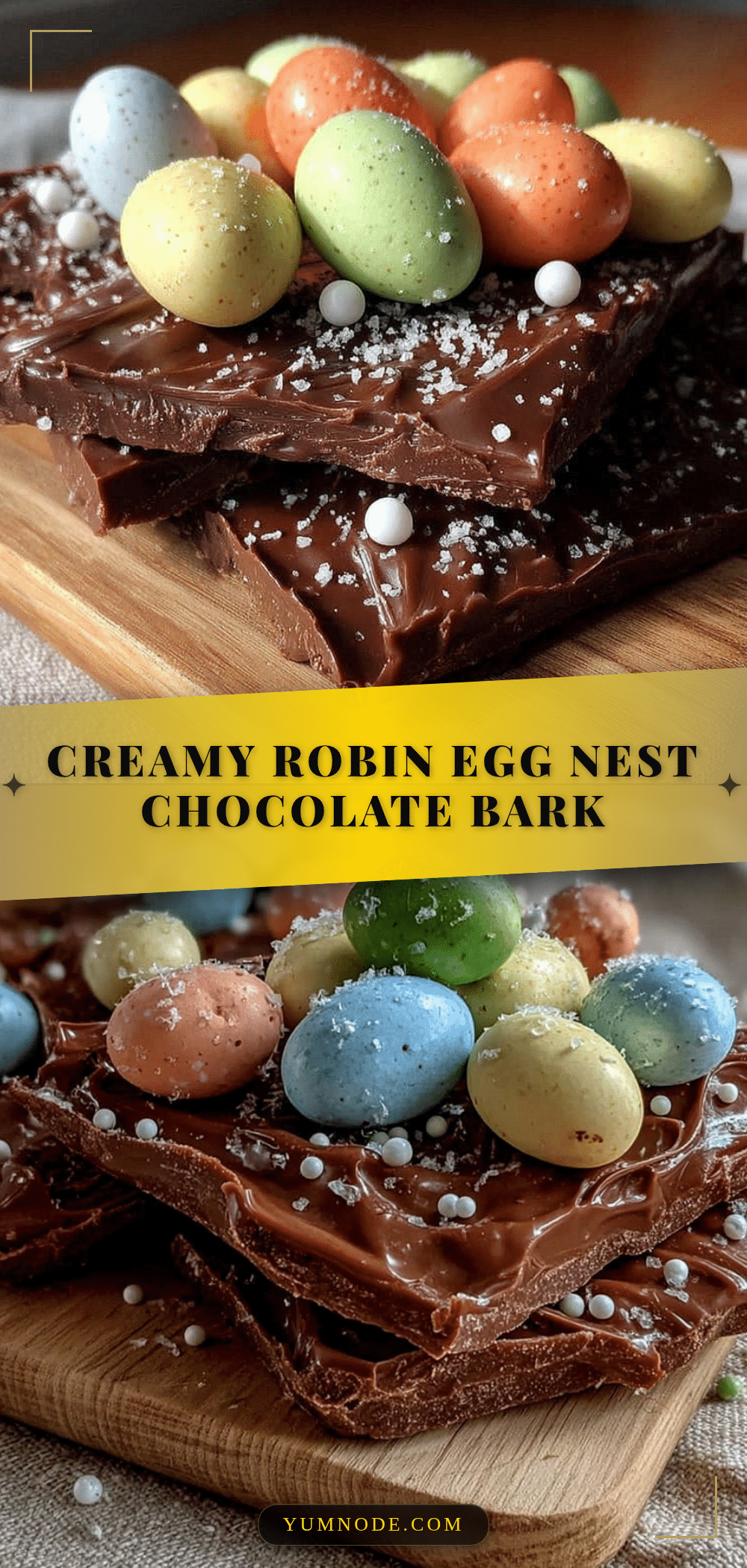
This isn’t just your average chocolate bark. By layering white and milk chocolate and carefully placing the candy eggs to mimic nests, it brings a charming, almost whimsical vibe to your dessert table. Plus, the slight saltiness from a sprinkle of sea salt on top cuts through the sweetness beautifully. It’s a simple technique with a big impact, making this recipe feel like a step above the usual chocolate bark fare.
What Ingredients You Will Need
This robin egg nest chocolate bark recipe uses simple, wholesome ingredients to create a treat that’s both visually stunning and delightfully tasty. Most of these are pantry staples or easy to find in any grocery store at springtime.
- Milk Chocolate Chips or Bar (8 oz / 225 g): Use a high-quality brand like Ghirardelli or Lindt for smooth melting and rich flavor.
- White Chocolate Chips or Bar (6 oz / 170 g): Choose a creamy white chocolate for contrast and sweetness.
- Robin Egg Candy Eggs (about 40-50 pieces): These pastel-speckled candy eggs are the star decoration—look for brands with a crunchy shell and a milk chocolate center.
- Mini Marshmallows (1/2 cup / 50 g): Optional for adding a fluffier, “nest-like” texture under the eggs.
- Toasted Shredded Coconut (1/2 cup / 40 g): Also optional, toasted just enough to add a little crunch and earthy note to mimic twigs.
- Sea Salt (a pinch): Sprinkled on top to balance the sweetness and add a subtle savory touch.
- Butter or Coconut Oil (1 tablespoon / 14 g): Helps with melting the chocolate smoothly and gives a glossy finish.
If you can’t find robin egg candies, you can substitute with regular pastel candy-coated chocolates or mini malted milk balls. For a dairy-free option, swap regular chocolate for vegan chocolate chips and use coconut oil instead of butter. In spring, I sometimes swap out the shredded coconut with chopped nuts like almonds or pecans for a different crunch profile—both delicious!
Equipment Needed
- Microwave-safe bowls or a double boiler: Needed for melting the chocolate without burning. A double boiler gives more control, but the microwave works fine with short bursts and stirring.
- Baking sheet or tray: To spread the chocolate bark out thinly for cooling.
- Parchment paper or silicone baking mat: Prevents sticking and makes cleanup a breeze.
- Spatula or spoon: For spreading and mixing the chocolate.
- Measuring cups and spoons: For accuracy, especially with optional ingredients like coconut or marshmallows.
If you don’t have a double boiler, you can make one using a heatproof bowl set over a pot of simmering water. I personally prefer a silicone baking mat for easier removal and less mess, but parchment works just as well. For melting chocolate, patience is key—low heat and frequent stirring avoid grainy texture, which I’ve learned the hard way!
Preparation Method

- Prepare your workspace (5 minutes): Line a baking sheet with parchment paper or a silicone mat. Gather all your ingredients so you’re ready to work quickly once the chocolate is melted.
- Melt the milk chocolate (5-7 minutes): In a microwave-safe bowl, heat the milk chocolate chips or chopped bar in 30-second intervals, stirring well after each. Alternatively, melt over a double boiler. The chocolate should be smooth and glossy, not grainy or overheated.
- Spread the milk chocolate (2 minutes): Pour the melted milk chocolate onto your prepared baking sheet and spread it into an even layer about 1/4 inch (6 mm) thick using a spatula. Try to keep edges neat but don’t stress too much—it’s bark, after all!
- Melt the white chocolate (5-7 minutes): Repeat the melting process with the white chocolate in a separate bowl. Once melted, drizzle or dollop it over the milk chocolate layer. Use a toothpick or skewer to swirl the two chocolates gently, creating a marbled “nest” effect.
- Add the nest textures (optional, 3 minutes): Scatter mini marshmallows and toasted shredded coconut in small clusters across the bark. This adds dimension and mimics the look of twigs and soft lining in a bird’s nest.
- Place the robin egg candies (3 minutes): Carefully press the candy eggs onto the bark in small groups, resembling robin egg nests. Press just enough to secure them without melting the candy shells.
- Sprinkle sea salt (optional, 1 minute): Lightly dust the bark with a pinch of sea salt to cut through the sweetness and bring out more flavor complexity.
- Chill until set (30-40 minutes): Place the baking sheet in the refrigerator to allow the chocolate to harden completely. Avoid freezing, as it can cause the chocolate to bloom (white streaks or spots).
- Break into pieces and serve (2 minutes): Once firm, break the bark into rustic shards and arrange on a serving platter or package for gifting.
If you notice the chocolate starts to seize (become grainy or clumpy), a quick fix is to add a teaspoon of melted butter or coconut oil and stir until smooth. Also, don’t skip chilling fully—it’s tempting to taste early, but the chocolate firms up best after proper cooling.
Cooking Tips & Techniques
Chocolate bark is one of those forgiving recipes, but a few tricks make a big difference in texture and appearance.
- Temper your chocolate lightly: While full tempering is complex, gently melting chocolate in short bursts and stirring frequently prevents burning and graininess.
- Use quality chocolate: It’s worth choosing chocolate with good cocoa butter content for shine and snap. Cheap baking chocolate can be waxy or dull.
- Don’t rush the setting process: Patience is key. Letting the bark chill fully in the fridge allows the chocolate to harden with a nice snap and keeps candy eggs firmly in place.
- Customize your “nest” look: Swirling white chocolate on top of milk chocolate creates a pretty marbled effect. Use a toothpick to gently drag the layers for a natural nest appearance.
- Keep candy eggs whole: Press them lightly into the chocolate so they don’t crack or melt.
- Store properly: Keep your bark in an airtight container in a cool spot to avoid melting or moisture buildup.
I once learned the hard way that overheating chocolate ruins the texture and flavor, so always keep the heat low. Also, when I tried adding colored sprinkles on top, they lost their vibrancy after fridge time—so candy eggs are definitely the way to go for that fresh spring look. If you’re making bark for a crowd, prepping ingredients beforehand speeds everything up.
Variations & Adaptations
This robin egg nest chocolate bark is easy to customize based on your taste or dietary needs. Here are a few ideas I’ve played with over time:
- Dark Chocolate Version: Swap milk chocolate for dark chocolate (70% cocoa or higher) for a richer, less sweet bark. It pairs beautifully with the pastel candy eggs and is a hit with those who prefer less sugar.
- Nutty Nest: Add chopped toasted almonds, pecans, or pistachios mixed into the coconut or marshmallow “nest” for a crunchy, nutty twist. This adds texture and makes the bark more filling.
- Vegan & Gluten-Free: Use dairy-free chocolate chips and coconut oil instead of butter. Ensure your candy eggs are vegan-friendly. This bark naturally contains no gluten, so it’s great for gluten-sensitive guests.
- Fruit-Infused Bark: Sprinkle freeze-dried raspberries or strawberries on top for a tangy pop of flavor and a pretty contrast to the chocolate.
- Seasonal Spins: For Easter, add pastel-colored sprinkles or edible glitter for extra festivity. Around other holidays, swap the candy eggs for themed candies (pumpkins for fall, peppermint for winter).
One personal favorite variation is mixing in a handful of mini peppermint candies with the marshmallows for a fresh surprise. The cool mint cuts through the sweetness just right. If you enjoy the texture of the bark in this recipe, you might also appreciate the texture contrast in the fudgy chocolate peanut butter cup brownies I recently made.
Serving & Storage Suggestions
Robin egg nest chocolate bark is best served at room temperature to enjoy the full flavor and texture. If it’s been chilled, let it sit out for 10-15 minutes before serving. Arrange broken shards on a festive platter to showcase the colorful candy eggs.
This treat pairs wonderfully with light spring drinks like iced tea or lemonade—perfect for a casual afternoon gathering or a holiday brunch. For a more indulgent pairing, try serving alongside a cup of coffee or hot chocolate.
Store leftover bark in an airtight container at room temperature if your kitchen is cool (below 70°F / 21°C). Otherwise, refrigeration works but may cause slight condensation when brought back to room temp. Avoid freezing, as it can dull the chocolate’s texture and color.
Over a couple of days, the flavors meld nicely, and the coconut or marshmallow notes mellow. If you’re prepping for a party, make the bark a day ahead for best results. For a fresh twist, add a few extra candy eggs right before serving.
For those who love fresh fruit desserts in spring, you might also enjoy the easy no-bake strawberry pretzel salad which complements the chocolate bark beautifully on a dessert table.
Nutritional Information & Benefits
Per serving (approximately 1 oz / 28 g):
| Calories | 150-180 kcal |
|---|---|
| Fat | 10-12 g (mostly from chocolate and optional coconut) |
| Sugar | 15-18 g (from chocolate and candy eggs) |
| Protein | 1-2 g |
This chocolate bark offers a mood-boosting treat thanks to antioxidants in dark or milk chocolate. Using high-quality chocolate means fewer additives and more natural cocoa benefits. Coconut adds fiber and healthy fats, while the candy eggs provide a fun crunch but should be enjoyed in moderation due to sugar content.
If you’re mindful of allergens, note that this recipe contains dairy unless using vegan chocolate and may contain traces of nuts depending on candy egg brands. It’s naturally gluten-free, making it suitable for most special diets.
Conclusion
This robin egg nest chocolate bark recipe brings a little spring magic to your kitchen without demanding hours of prep or obscure ingredients. It’s a sweet, colorful treat that feels festive and homemade—perfect for sharing with friends or just indulging yourself during that quiet afternoon break.
Feel free to tweak the textures, chocolates, and decorations to suit your mood or occasion. I’ve personally enjoyed this bark with friends, at neighborhood potlucks, and even as a last-minute hostess gift. It’s a recipe that’s as flexible as it is fun.
If you try making your own robin egg nest bark, I’d love to hear how you make it your own—drop a comment or share your favorite twists! Here’s to simple sweets that bring joy and a little color to the season.
FAQs
Can I use different types of chocolate for this bark?
Absolutely! You can use dark, milk, or white chocolate alone or in combination. Just make sure to melt them gently to avoid burning.
What if I can’t find robin egg candy eggs?
You can substitute with any pastel-colored candy-coated chocolates or small malted milk balls for a similar look and texture.
How long does this chocolate bark keep?
Stored in an airtight container at room temperature, it stays good for up to 2 weeks. Refrigeration can extend shelf life but may affect texture.
Can I make this recipe vegan?
Yes! Use vegan chocolate chips and coconut oil instead of butter. Just double-check that your candy eggs are vegan-friendly or substitute with other vegan candies.
Is it necessary to add the marshmallows and coconut?
No, those are optional for adding nest-like texture and flavor. The bark is delicious even without them if you prefer a simpler version.
Pin This Recipe!
Robin Egg Nest Chocolate Bark Recipe Easy Homemade Spring Celebration Treats

A quick and easy spring treat featuring a crackly chocolate base topped with pastel-speckled candy eggs, perfect for festive occasions and last-minute celebrations.
- Prep Time: 10 minutes
- Cook Time: 10 minutes
- Total Time: 40-50 minutes
- Yield: About 12 servings 1x
- Category: Dessert
- Cuisine: American
Ingredients
- 8 oz (225 g) milk chocolate chips or bar (high-quality like Ghirardelli or Lindt)
- 6 oz (170 g) white chocolate chips or bar
- 40–50 robin egg candy eggs (pastel-speckled candy eggs with crunchy shell and milk chocolate center)
- 1/2 cup (50 g) mini marshmallows (optional)
- 1/2 cup (40 g) toasted shredded coconut (optional)
- Pinch of sea salt
- 1 tablespoon (14 g) butter or coconut oil
Instructions
- Prepare your workspace by lining a baking sheet with parchment paper or a silicone mat and gather all ingredients.
- Melt the milk chocolate in a microwave-safe bowl in 30-second intervals, stirring well after each, or melt over a double boiler until smooth and glossy.
- Pour the melted milk chocolate onto the prepared baking sheet and spread into an even 1/4 inch (6 mm) thick layer using a spatula.
- Melt the white chocolate using the same method in a separate bowl. Drizzle or dollop it over the milk chocolate layer and swirl gently with a toothpick or skewer to create a marbled nest effect.
- Optionally, scatter mini marshmallows and toasted shredded coconut in small clusters across the bark to mimic twigs and soft nest lining.
- Carefully press the robin egg candies onto the bark in small groups resembling nests, pressing lightly to secure without cracking the candy shells.
- Optionally, sprinkle a pinch of sea salt over the bark to balance sweetness.
- Chill the baking sheet in the refrigerator for 30-40 minutes until the chocolate is fully set. Avoid freezing to prevent blooming.
- Break the bark into rustic shards and serve or package for gifting.
Notes
Use gentle melting techniques to avoid burning chocolate. Press candy eggs lightly to prevent cracking. Chill fully for best texture and snap. Store in airtight container at room temperature or refrigerate to extend shelf life. For vegan version, use dairy-free chocolate and coconut oil, and ensure candy eggs are vegan-friendly or substitute accordingly.
Nutrition
- Serving Size: Approximately 1 oz (
- Calories: 150180
- Sugar: 1518
- Fat: 1012
- Protein: 12
Keywords: chocolate bark, robin egg candy, spring dessert, easy chocolate treat, homemade chocolate bark, Easter dessert, candy eggs, spring celebration treats