“You really think this’ll work?” my skeptical roommate called from the living room, where a half-empty bottle of red wine sat on the coffee table. Honestly, I wasn’t so sure myself. The day had been one of those chaotic whirlwinds—deadlines, missed calls, and a fridge that was suspiciously bare except for a stubborn brisket hiding in the back corner and a sad bunch of onions. I figured, why not take a gamble and turn this into something comforting? The idea of slow-cooking the brisket with the wine and those caramelized onions suddenly felt less like a shot in the dark and more like a warm invitation to reset the evening.
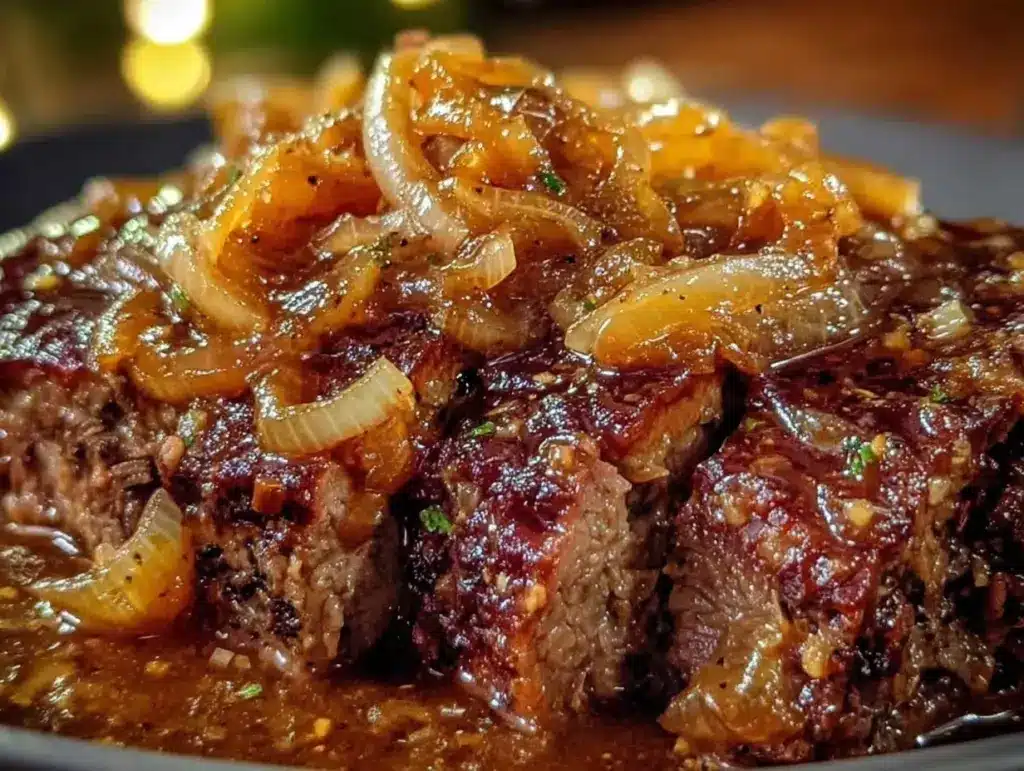
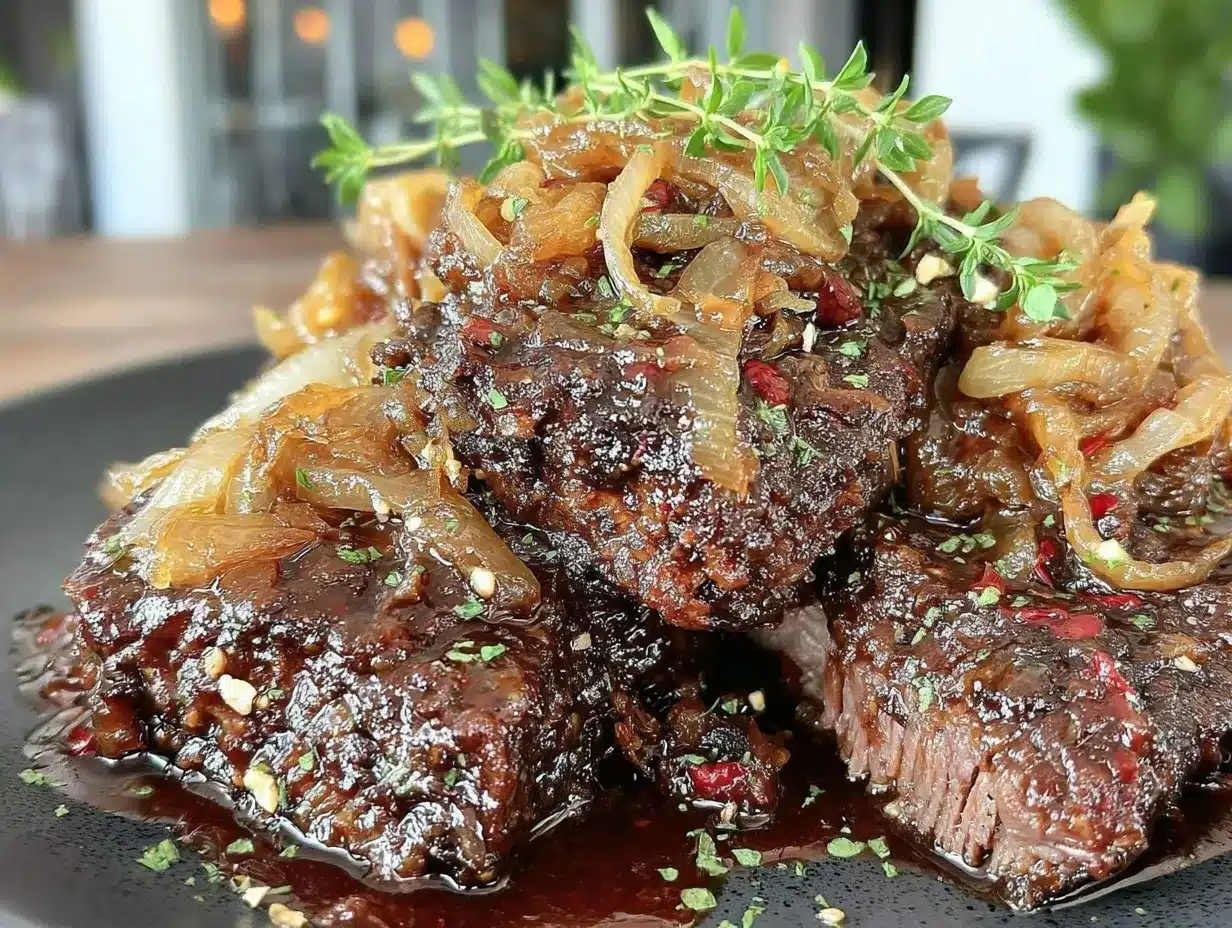
As the scent of the onions slowly deepened and the wine reduced to a luscious sauce, the kitchen transformed. The rich aroma wrapped around me like a soft blanket. By the time the brisket was fork-tender, with edges kissed by the caramelized onions, my doubts melted away. That first bite was a quiet revelation—tender meat infused with a subtle wine tang and sweet onion undertones, the kind of dish that makes you pause and savor, you know?
That night, this savory brisket with red wine and caramelized onions found its way into my regular rotation—not because it was planned, but because it felt like a cozy fix after a mess of a day, a simple dish with soul, depth, and absolutely no pretense. It’s the kind of recipe that sticks with you, not loud or flashy, but quietly impressive. And, trust me, it’s one you’ll want to come back to when you crave something real and satisfying, without the fuss.
Why You’ll Love This Savory Brisket with Red Wine and Caramelized Onions Recipe
After making this brisket more times than I can count (seriously, it’s been a weekly staple during cooler months), I’ve come to appreciate why it stands out from the crowd. The blend of red wine and caramelized onions isn’t just about flavor—it’s about building a depth that turns a simple cut of meat into a dish that feels special without demanding hours of hands-on work.
- Quick & Easy: While it’s a slow-cooked recipe, prep takes less than 20 minutes, freeing you up for other things.
- Simple Ingredients: You won’t need to chase down exotic items—just pantry staples and fresh basics.
- Perfect for Cozy Dinners: This recipe shines when you want to impress without stress, especially on chilly evenings.
- Crowd-Pleaser: Whether it’s family dinner or a casual get-together, this brisket gets rave reviews every time.
- Unbelievably Tender: The slow braise in red wine breaks down the meat beautifully, making it melt in your mouth.
What makes this brisket different? It’s the balance—caramelized onions add a natural sweetness that dances with the rich, earthy notes of the red wine. Plus, the slow cooking technique is straightforward, no fancy gadgets needed. I’ve tried versions with different wine types and seasoning blends, but this exact combo keeps winning.
This isn’t just a recipe—it’s the kind of meal that brings people together, that makes you forget the day’s chaos for a moment and just enjoy the warmth of good food and good company. It’s comfort food with a subtle twist, ready to become a new favorite.
What Ingredients You Will Need for Savory Brisket with Red Wine and Caramelized Onions
This recipe uses straightforward, wholesome ingredients to create bold flavors and tender textures without any fuss. Most of these are pantry staples, with a few fresh items that bring the dish alive. Here’s what you’ll need:
- Beef brisket: About 3 to 4 pounds (1.4 to 1.8 kg), trimmed of excess fat but leaving some for flavor.
- Red wine: 1 ½ cups (360 ml) of a dry red wine like Cabernet Sauvignon or Merlot (I prefer Mark West for its smoothness).
- Yellow onions: 3 large, thinly sliced (these are key for caramelizing perfectly).
- Garlic cloves: 4, minced (adds aromatic depth).
- Beef broth: 2 cups (480 ml), use low-sodium if possible for better control over saltiness.
- Tomato paste: 2 tablespoons (adds richness and a subtle tang).
- Fresh thyme: 3-4 sprigs (or 1 teaspoon dried thyme).
- Bay leaves: 2 whole leaves (classic aromatic touch).
- Olive oil: 2 tablespoons for sautéing onions and searing brisket.
- Salt and freshly ground black pepper: To taste, essential for seasoning at every stage.
- Optional: A pinch of smoked paprika or chili flakes if you like a subtle smoky warmth.
If you want to switch things up, use almond flour as a light dusting for a gluten-free crust on the brisket before searing. For a dairy-free version, this recipe is naturally good to go since it doesn’t use butter.
Equipment Needed
- Large heavy-bottomed Dutch oven or oven-safe pot: Ideal for even heat distribution and slow braising.
- Sharp chef’s knife: For slicing onions and trimming brisket.
- Cutting board: Preferably wood or plastic for safety and ease.
- Tongs: For safely turning the brisket when searing.
- Wooden spoon or spatula: To stir onions gently without mashing.
- Meat thermometer: Optional but handy for checking doneness (aim for around 195°F/90°C for tender brisket).
- Oven mitts: Safety first when handling hot pots.
If you don’t have a Dutch oven, a heavy skillet with a tight-fitting lid works too—just keep a close eye on liquid levels. I’ve used a cast-iron skillet with a foil cover in a pinch, and it gets the job done.
Preparation Method
- Preheat your oven to 325°F (160°C). This temperature is perfect for slow braising without drying out the meat.
- Prepare the onions: Heat olive oil in your Dutch oven over medium heat. Add the sliced onions and stir occasionally for about 20-25 minutes, until they’re golden and caramelized but not burnt. Patience here pays off with sweetness that balances the wine’s acidity.
- Sear the brisket: While onions cook, pat the brisket dry with paper towels and season generously with salt, pepper, and optional smoked paprika. Increase the heat to medium-high, add a bit more oil if needed, and sear the brisket on all sides until deeply browned (about 4-5 minutes per side). This seals in juices and adds flavor.
- Deglaze the pot: Remove brisket temporarily. Pour in the red wine and use a wooden spoon to scrape up browned bits from the bottom—those bits are pure gold for the sauce.
- Add garlic and tomato paste: Stir in minced garlic and tomato paste, cooking for 1-2 minutes until fragrant and well incorporated.
- Return brisket and onions: Nestle the brisket back into the pot on top of the onions. Pour in beef broth to come halfway up the meat. Toss in thyme sprigs and bay leaves.
- Cover and braise: Put the lid on and transfer the pot to your preheated oven. Let the brisket cook low and slow for about 3 to 3 ½ hours. Check once or twice to make sure there’s enough liquid—add a splash of broth or water if it looks dry.
- Test for tenderness: The brisket should be fork-tender, meaning it pulls apart easily with little resistance. If not quite there, give it another 30 minutes.
- Rest and slice: Remove the brisket and let it rest for 10 minutes. Slice against the grain for the most tender bites.
- Serve with the sauce: Spoon the luscious onion and red wine sauce over the slices. It’s perfect with creamy mashed potatoes or crusty bread to soak up every drop.
Tip: If you want the sauce thicker, remove brisket after resting, place the pot back on stovetop, and simmer sauce until reduced to your liking.
Cooking Tips & Techniques for Perfect Brisket
Slow braising brisket can be intimidating, but a few learned tricks make all the difference:
- Don’t rush the sear: Browning the brisket well is non-negotiable for flavor. It creates a deep crust that locks in juices and adds complexity.
- Caramelize onions low and slow: Tossing them in too hot will burn instead of sweeten. Stir often but gently.
- Use a good-quality dry red wine: The wine’s acidity and fruitiness balance the richness of the beef. I’ve learned that cheap wines can turn bitter when reduced.
- Check liquid levels mid-braise: If it’s evaporating too fast, add broth or water to avoid drying out the meat.
- Resting is key: Let the meat sit after cooking—it helps redistribute juices and makes slicing easier.
- Slice against the grain: This shortens the muscle fibers, making each bite tender.
I once impatiently skipped caramelizing the onions and ended up with a flat sauce—lesson learned! Also, I keep a towel handy to wipe condensation off the lid during cooking to avoid dripping back into the meat, which can dilute flavors.
Variations & Adaptations
While the classic version is a winner, trying these twists can keep things interesting:
- Spicy Kick: Add a teaspoon of chili flakes or a diced jalapeño with the garlic for heat.
- Different Wine: Use a full-bodied white wine like Chardonnay for a lighter flavor profile.
- Slow Cooker Method: Follow the searing and onion caramelizing on the stove, then transfer everything to a slow cooker. Cook on low for 8 hours or until tender.
- Vegetarian Adaptation: Swap brisket for large portobello mushrooms or eggplant steaks, braising in vegetable broth and red wine with the caramelized onions.
- Herb Variations: Try rosemary instead of thyme for a piney aroma or add a splash of balsamic vinegar at the end for tang.
Personally, I once added a touch of Guinness beer alongside the red wine—gave it a deeper, malted flavor that my friends couldn’t stop commenting on.
Serving & Storage Suggestions
This savory brisket is best served warm, spooned with the rich, wine-infused onion sauce. It pairs beautifully with creamy mashed potatoes, roasted root vegetables, or even a simple green salad tossed in a tangy vinaigrette for balance.
If you’re planning a hearty meal, a crusty bread or buttery dinner rolls are perfect companions to soak up the delicious juices. For drinks, a glass of the same red wine or a robust dark beer complements the dish’s richness nicely.
Store leftovers in an airtight container in the refrigerator for up to 4 days. The flavors actually deepen over time, so next-day brisket can taste even better. For longer storage, freeze in portions for up to 3 months. When reheating, do it gently on the stovetop or in the oven covered with foil to keep the meat moist.
Nutritional Information & Benefits
A serving of this brisket (about 6 oz/170 g) offers approximately 400 calories, with a good balance of protein and fat. The beef provides essential nutrients like iron, zinc, and B vitamins, important for energy and immune function.
The caramelized onions contribute antioxidants and a modest amount of fiber, while the red wine, when cooked down, adds flavor without significant alcohol content.
For those watching carbs, this recipe is naturally low-carb, gluten-free, and free from added sugars, making it suitable for a variety of dietary preferences. Just keep an eye on the wine if you’re avoiding alcohol completely.
Conclusion
This savory brisket with red wine and caramelized onions is the kind of recipe that keeps you coming back—not because it’s fancy, but because it’s reliably delicious and comforting. It fits neatly into busy lives yet offers a moment of indulgence and care.
Make it your own by adjusting herbs, trying different wines, or pairing it with your favorite sides. I cherish this recipe for how it turns simple ingredients into something that feels like a hug on a plate. If you give it a try, I’d love to hear how you made it your own or what sides you served it with.
Cooking is about sharing, so drop a note or a tweak below—let’s keep this savory brisket story going.
Frequently Asked Questions About Savory Brisket with Red Wine and Caramelized Onions
How long does it take to cook brisket until tender?
Expect about 3 to 3 ½ hours at 325°F (160°C) for a 3-4 pound brisket. Slow and steady is the key to tender meat.
Can I use a different cut of beef for this recipe?
Yes, chuck roast or other braising cuts work well, though cooking times may vary slightly.
Is it necessary to caramelize the onions first?
Yes, caramelizing the onions slowly builds sweetness and depth that really enhances the sauce.
What if I don’t drink alcohol—can I skip the red wine?
You can substitute with more beef broth and a splash of balsamic vinegar for acidity, but the wine adds a unique flavor that’s hard to replicate.
How do I store leftover brisket?
Keep leftovers covered in the fridge for up to 4 days or freeze for up to 3 months. Reheat gently to maintain moisture.
For more comforting, slow-cooked dinners, you might enjoy the cozy Guinness beef stew or pair this brisket with creamy sides like the creamy scalloped potatoes with ham for a truly hearty meal.
Pin This Recipe!
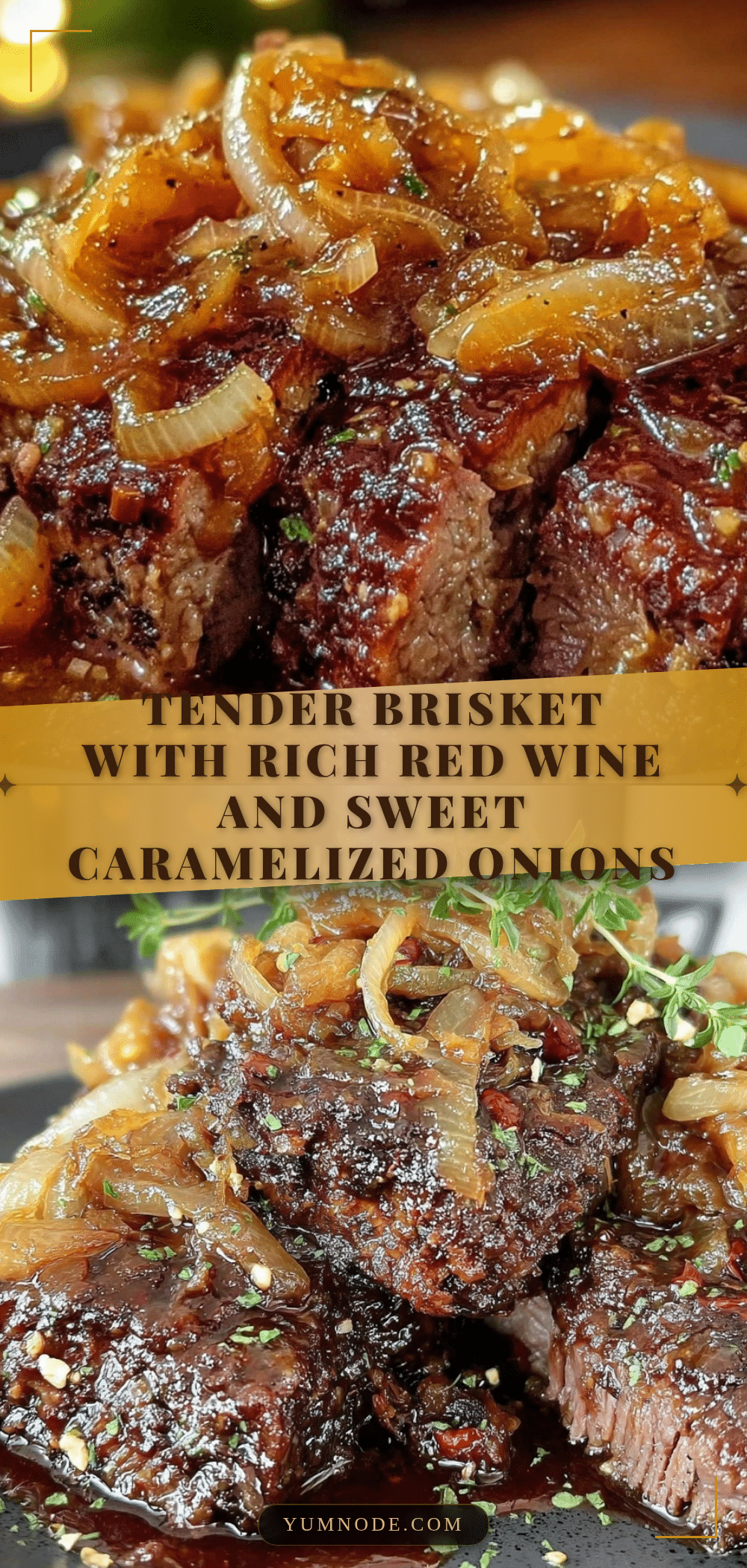
Savory Brisket with Red Wine and Caramelized Onions

A comforting slow-cooked brisket infused with red wine and sweet caramelized onions, resulting in tender, flavorful meat perfect for cozy dinners.
- Prep Time: 20 minutes
- Cook Time: 3 hours 30 minutes
- Total Time: 3 hours 50 minutes
- Yield: 6 servings 1x
- Category: Main Course
- Cuisine: American
Ingredients
- 3 to 4 pounds beef brisket, trimmed of excess fat but leaving some for flavor
- 1 ½ cups dry red wine (such as Cabernet Sauvignon or Merlot)
- 3 large yellow onions, thinly sliced
- 4 garlic cloves, minced
- 2 cups low-sodium beef broth
- 2 tablespoons tomato paste
- 3–4 sprigs fresh thyme or 1 teaspoon dried thyme
- 2 whole bay leaves
- 2 tablespoons olive oil
- Salt and freshly ground black pepper, to taste
- Optional: pinch of smoked paprika or chili flakes
- Optional: almond flour for gluten-free crust dusting
Instructions
- Preheat your oven to 325°F (160°C).
- Heat olive oil in a large heavy-bottomed Dutch oven over medium heat. Add sliced onions and stir occasionally for 20-25 minutes until golden and caramelized.
- Pat the brisket dry with paper towels and season generously with salt, pepper, and optional smoked paprika.
- Increase heat to medium-high, add more oil if needed, and sear the brisket on all sides until deeply browned, about 4-5 minutes per side.
- Remove brisket temporarily. Pour in red wine and scrape up browned bits from the bottom of the pot.
- Stir in minced garlic and tomato paste, cooking for 1-2 minutes until fragrant.
- Return brisket and onions to the pot. Pour in beef broth to come halfway up the meat. Add thyme sprigs and bay leaves.
- Cover the pot and transfer to the preheated oven. Braise for 3 to 3 ½ hours, checking liquid levels once or twice and adding broth or water if needed.
- Test for tenderness; brisket should be fork-tender. If not, cook an additional 30 minutes.
- Remove brisket and let rest for 10 minutes. Slice against the grain.
- Serve with the onion and red wine sauce spooned over the slices.
Notes
Do not rush the sear to develop a deep crust for flavor. Caramelize onions low and slow to avoid burning. Use a good-quality dry red wine to avoid bitterness. Check liquid levels during braising to prevent drying out. Rest the meat before slicing and slice against the grain for tenderness. For thicker sauce, simmer after removing brisket.
Nutrition
- Serving Size: About 6 oz (170 g) c
- Calories: 400
- Sugar: 4
- Sodium: 450
- Fat: 22
- Saturated Fat: 8
- Carbohydrates: 8
- Fiber: 1.5
- Protein: 35
Keywords: brisket, red wine, caramelized onions, slow-cooked, comfort food, beef, easy recipe, tender meat